Case overview
Three-year-old Madeleine McCann disappeared from a ground-floor apartment in Praia da Luz, Portugal, on May 3, 2007, while her parents dined at a nearby restaurant. Despite one of the largest international searches in modern history, no confirmed trace of her has been found. The case remains open, with investigators focusing on a narrow window of time and movements that have never been fully reconciled.
The final confirmed sighting
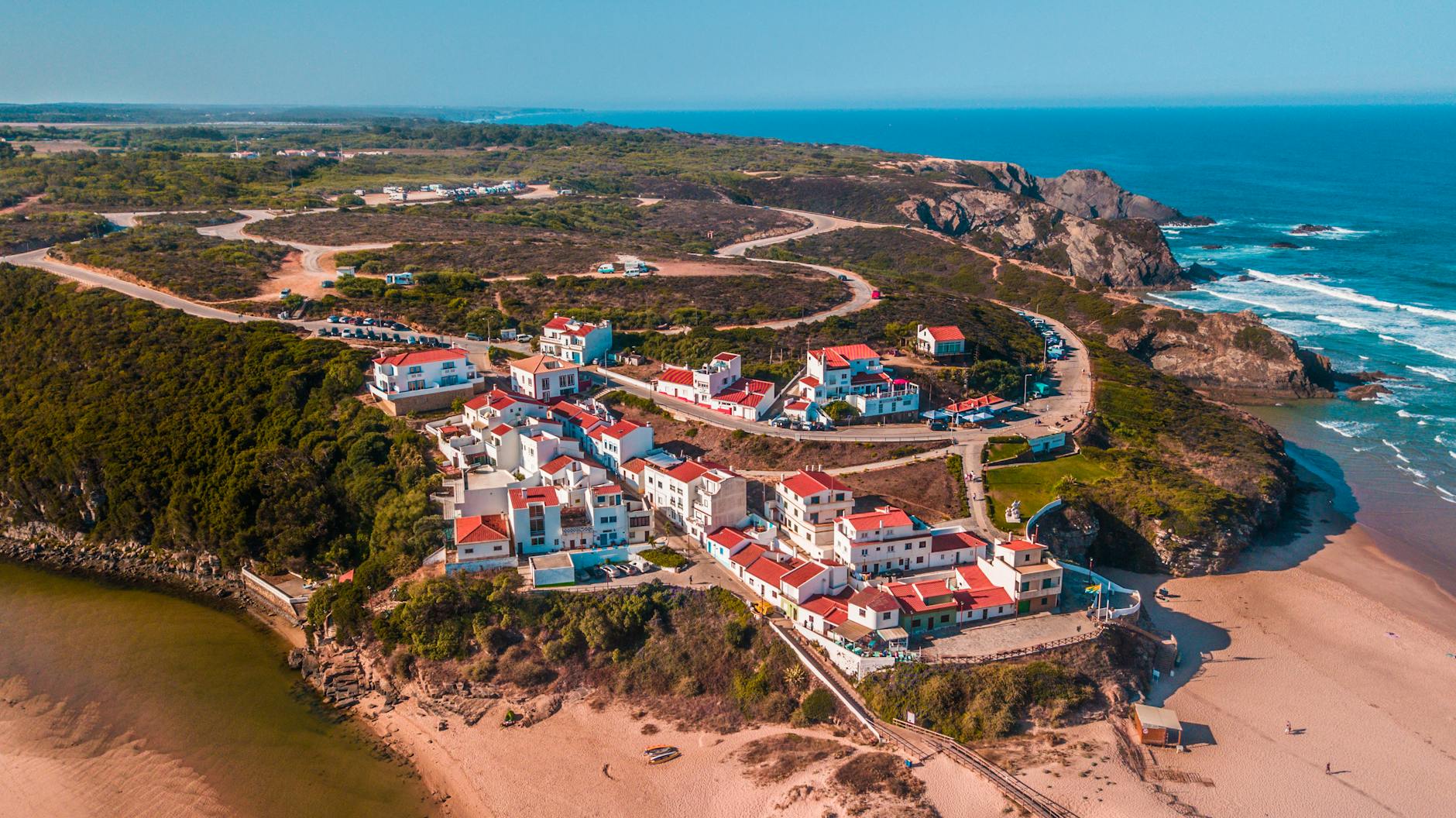
Madeleine was last seen by her father, Gerry McCann, at approximately 9:05 p.m. on May 3. The McCann family was vacationing at the Ocean Club resort in Praia da Luz, a small coastal town in Portugal’s Algarve region. Madeleine and her younger twin siblings were asleep in apartment 5A while Kate and Gerry McCann ate dinner with friends at a tapas restaurant roughly 180 feet away.
The adults had arranged to check on the children at intervals throughout the evening. At 9:05 p.m., Gerry McCann entered the apartment through an unlocked patio door and observed all three children sleeping. He did not enter the bedroom but listened at the door. That check, documented in statements to Portuguese authorities, marked the last confirmed visual contact with Madeleine by a family member.
The gap in surveillance
Between 9:05 p.m. and 10:00 p.m., several members of the dining group conducted checks on their own children and, in some instances, glanced toward the McCanns’ apartment. At approximately 9:30 p.m., Matthew Oldfield, one of the group’s members, offered to check on the McCann children during his own check. He reported seeing the twins in their cots but did not visually confirm Madeleine’s presence in her bed, which was positioned out of direct sightline from the door.
Kate McCann discovered Madeleine missing at 10:00 p.m. during her scheduled check. She found the bedroom window open, the shutter raised, and Madeleine’s bed empty. The twins remained asleep and undisturbed. Portuguese police were notified within minutes, but the timeline had already compressed into a window of less than one hour.
Witness accounts and timeline contradictions
Several witnesses reported seeing individuals near the apartment or carrying children in the area that night, but none of the sightings were definitively linked to Madeleine. At approximately 9:15 p.m., Jane Tanner, another member of the dinner group, reported seeing a man carrying a child in pajamas near the McCanns’ apartment while she walked to check on her own daughter. Tanner’s description of the individual and the child’s clothing were later scrutinized and compared to other reports, but no identification was made.
A separate sighting was reported by an Irish family, the Smiths, who saw a man carrying a sleeping child toward the beach around 10:00 p.m. The Smiths did not report the sighting until days later, and the timeline overlapped closely with Kate McCann’s discovery of Madeleine’s absence. Investigators examined whether these sightings represented the same individual or separate incidents, but neither lead produced a confirmed match.
Discrepancies in the timeline and witness recollections became focal points in the investigation. The lack of physical evidence at the scene and the absence of forced entry into the apartment complicated efforts to reconstruct the sequence of events.
The immediate search and response
Portuguese authorities initiated an immediate search of the resort and surrounding area. Officers, resort staff, and local residents combed nearby streets, beaches, and properties through the night. Roadblocks were not established until hours after the alert, a delay that investigators later acknowledged may have allowed a suspect to leave the area undetected.
The Polícia Judiciária, Portugal’s investigative police force, took control of the case and treated the apartment as a potential crime scene. Forensic teams examined the bedroom, the window, and the exterior of the building. No clear evidence of forced entry was identified, and initial forensic sweeps produced limited findings. The window’s shutters and frame showed no signs of tampering from the outside, raising questions about how an intruder might have accessed the apartment and exited with a child.
Within days, the case became an international story. British media outlets dispatched reporters to Praia da Luz, and the McCann family launched a public campaign to locate Madeleine. Photographs of her distinctive right eye, which had a rare iris abnormality known as a coloboma, were circulated globally.
Investigative focus and suspect identification
The Portuguese investigation initially centered on the possibility of abduction by a stranger. Detectives interviewed resort staff, guests, and local residents, compiling reports of suspicious activity in the area during the days leading up to May 3. Several witnesses described seeing unfamiliar individuals near the Ocean Club complex, but none of these accounts led to a confirmed suspect.
In September 2007, Portuguese authorities named Kate and Gerry McCann as formal suspects, or arguidos, under Portuguese law. The designation did not equate to charges but reflected investigative focus on the possibility that Madeleine had died in the apartment and that her parents had concealed her body. The theory was based in part on forensic findings from British cadaver dogs, which allegedly detected human remains and blood scent in the apartment and the McCanns’ rental car. Subsequent DNA analysis of samples collected from the apartment and vehicle produced inconclusive results, and the findings were disputed by independent forensic experts.
The McCanns were formally cleared as suspects in July 2008 when Portuguese authorities archived the case due to insufficient evidence. The investigation had produced no physical evidence of abduction, no confirmed sightings of Madeleine after May 3, and no substantiated leads pointing to her location.
The British review and Operation Grange
In May 2011, following sustained public and media pressure, the British government authorized the Metropolitan Police Service to conduct a review of the case. The review, designated Operation Grange, involved reexamining thousands of pages of Portuguese investigative files, witness statements, and forensic reports. British investigators identified additional leads that had not been fully pursued during the original investigation.
In 2013, the Metropolitan Police released e-fit images of individuals seen in Praia da Luz on the night of the disappearance. Investigators appealed for information about several men reportedly seen acting suspiciously near the Ocean Club complex. The renewed focus on potential sightings generated hundreds of tips, but none resulted in a confirmed identification of a suspect or a breakthrough in locating Madeleine.
Operation Grange investigators also examined the possibility that Madeleine had been taken by a predatory offender operating in the Algarve region. Detectives identified a pattern of break-ins at properties occupied by British tourists, some involving children. However, no direct link between these incidents and Madeleine’s disappearance was established.
The 2020 suspect announcement
In June 2020, German prosecutors announced that they were investigating a German national, identified in media reports as Christian Brückner, in connection with Madeleine’s disappearance. Brückner, a convicted sex offender, had been living in the Algarve region in 2007 and was known to have been in Praia da Luz around the time of the disappearance. German authorities stated that they were treating the case as a murder investigation and believed Madeleine to be deceased, though no body had been recovered.
Prosecutors disclosed that cell phone data placed Brückner near the Ocean Club resort on the night of May 3. Investigators also examined his prior criminal history, which included convictions for sexual offenses involving children. Brückner has not been charged in connection with Madeleine’s case, and he has denied involvement through his legal representatives.
German authorities have conducted searches of properties linked to Brückner, including a former residence and an allotment plot, but no evidence directly tying him to Madeleine has been publicly disclosed. The investigation remains active, and prosecutors have indicated that they continue to pursue additional leads.
Unresolved questions and the search today
More than 16 years after her disappearance, Madeleine McCann has not been found. The case remains open in the United Kingdom, Portugal, and Germany, with active investigations continuing in all three jurisdictions. Portuguese authorities reopened their investigation in 2013 following the British review, and coordination between the three countries has been maintained.
The core questions that defined the early days of the investigation remain unanswered. No physical evidence has definitively established what happened to Madeleine during the missing minutes between 9:05 p.m. and 10:00 p.m. on May 3, 2007. No confirmed sighting of her has been verified after that night. Despite thousands of reported sightings across multiple continents, none have been substantiated.
The McCann family has continued to advocate for ongoing investigative efforts and has maintained that they believe Madeleine could still be alive. The case has generated sustained public interest and remains one of the most widely recognized unsolved disappearances in modern history.
Where to look next
- Documentary: “The Disappearance of Madeleine McCann” (Netflix)
- Documentary: “Madeleine McCann: The Hunt for the Prime Suspect” (Discovery+)
- Book: “Madeleine: Our Daughter’s Disappearance and the Continuing Search for Her” by Kate McCann
- Podcast: “Maddie” (Audible Original)