

Case overview
Lauren Spierer, a 20-year-old Indiana University student, disappeared in the early hours of June 3, 2011, after leaving a series of apartments near campus in Bloomington. Her movements were documented by surveillance cameras and witness accounts until approximately 4:30 a.m., when she was last seen walking alone near an apartment building on North College Avenue. Despite extensive searches and investigation, no trace of Spierer has been found.
The timeline leading to disappearance
On the evening of June 2, 2011, Spierer left her apartment without her phone or shoes, heading to Kilroy’s Sports Bar with friends. Surveillance footage captured her leaving the bar with Corey Rossman, a fellow student, around 2:30 a.m. The two walked to Smallwood Plaza, an apartment complex where Spierer lived, arriving shortly before 3:00 a.m.
Video from Smallwood Plaza showed Spierer appearing unsteady, and witnesses reported that Rossman also seemed intoxicated. An altercation occurred in the building when Rossman encountered several men, including Zack Oakes, who later told investigators he helped Spierer leave the building because she appeared heavily intoxicated. Oakes stated he watched her walk toward another apartment building at 5 North Townhomes, where Rossman and another student, Mike Beth, lived.
Rossman’s memory of the evening was reportedly limited, but he told police that Spierer was at the 5 North apartment until approximately 4:15 a.m. Beth, who lived in the same unit, said he last saw Spierer around 4:30 a.m. when she left to walk the short distance back to her own apartment. He was the last person known to have seen her.
The compressed window
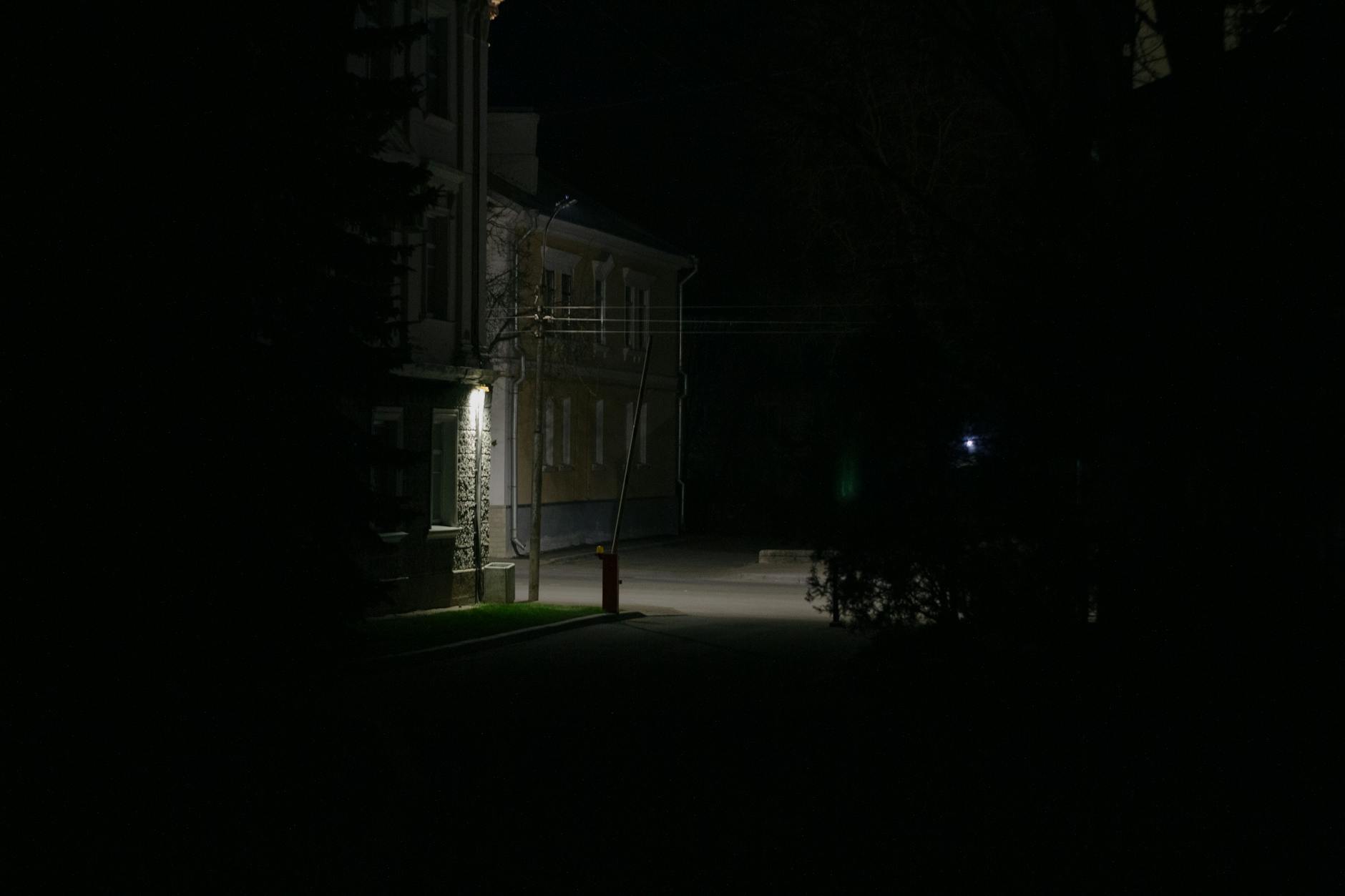
The final confirmed sighting of Lauren Spierer placed her on North College Avenue at 4:30 a.m., approximately two and a half blocks from her apartment. She would have needed to walk only a few minutes to return home, a route that took her through a residential area with limited lighting and no additional surveillance coverage.
No cameras captured her after she left 5 North Townhomes. No witnesses reported seeing her on the street. Her phone, keys, and shoes remained behind in various locations. By the time her absence was reported to police later that day, the window in which something could have happened had already closed.
The Bloomington Police Department began a search that expanded rapidly. Investigators reviewed hours of surveillance footage, interviewed dozens of people who had been in the area that night, and deployed search teams to nearby wooded areas, waterways, and construction sites. The searches produced no physical evidence.
Investigative focus and public scrutiny
The investigation centered on the men who were with Spierer in the hours before she disappeared. Rossman, Beth, and Oakes cooperated initially but later retained attorneys and declined to take polygraph tests. Investigators stated publicly that all three were people of interest but stopped short of naming any suspects.
The decision not to take polygraphs drew significant media attention and public criticism, though legal experts noted that declining such tests is a common and legally protected choice. The men maintained that they had provided all relevant information to police and had no knowledge of what happened to Spierer after she left 5 North.
Bloomington police also investigated other potential leads, including reports of a white truck seen in the area around the time of the Lauren Spierer disappearance. Witnesses described the vehicle driving slowly on nearby streets, but investigators were unable to locate the truck or identify its driver. Tips about the truck continued for months, but none resulted in confirmed sightings or new evidence.
Family response and ongoing search efforts
Spierer’s parents, Charlene and Robert Spierer, traveled from their home in New York to Bloomington immediately after learning their daughter was missing. They worked with law enforcement and private investigators, organized search efforts, and offered a reward of $100,000 for information leading to her recovery. The reward later increased to $250,000.
The family retained private investigators and pushed for additional searches, including areas outside Bloomington city limits. In 2012, they filed a civil lawsuit against Rossman and Beth, alleging that the two men provided alcohol and drugs to Spierer and failed to ensure her safety. The lawsuit also named Oakes. The case was dismissed in 2015 after a judge ruled there was insufficient evidence to hold the men liable.
In 2016, the family filed a petition to have Lauren declared legally dead, a procedural step that allowed them to settle certain legal and financial matters. The declaration did not indicate a conclusion to the search or investigation.
Theories and unresolved questions
The circumstances of the disappearance have generated multiple theories, none of which have been substantiated by evidence. Investigators have stated that foul play is suspected but that the lack of physical evidence has prevented them from determining what happened.
One possibility examined by police is that Spierer, who was reported to weigh approximately 95 pounds and had a documented heart condition, experienced a medical emergency on her walk home. Investigators considered whether she could have collapsed and been transported from the area, either by someone who harmed her or by someone who panicked and concealed her body. No evidence has supported this scenario.
Another focus has been on the possibility that Spierer encountered a stranger after leaving 5 North. Bloomington had experienced other crimes against women in the years surrounding 2011, though none were definitively linked to her case. The white truck sightings remained a point of investigative interest, but no connection was established.
Some investigators have suggested that Spierer’s body may have been concealed in an area that was later developed or altered. Construction activity in Bloomington during and after 2011 included projects near campus and on the outskirts of the city, and searches of these areas occurred both during and after development. None produced evidence.
Ongoing status
The Bloomington Police Department continues to classify the case as an active missing person investigation. The department has stated that it follows up on all credible leads and periodically reviews evidence and witness statements. No arrests have been made, and no suspects have been publicly named.
In 2021, on the tenth anniversary of the Lauren Spierer disappearance, police reiterated their request for public assistance and noted that advances in investigative technology could allow for reexamination of previously collected evidence. The department has not disclosed whether any such reexamination has taken place or what it might involve.
Charlene and Robert Spierer remain active in efforts to find their daughter and have continued to work with advocacy groups focused on missing persons cases. They have spoken publicly about the case at events aimed at raising awareness about campus safety and the challenges faced by families of missing individuals.
The trail remains defined by what was documented and what was not. Her movements were tracked, her interactions recorded, her condition observed. But in the span of a short walk through a quiet residential area, all confirmed information ended. What happened in that brief window has never been explained.
Where to look next
- Documentary: “Disappeared: Into Thin Air” (Investigation Discovery)
- Podcast: “Missing on Campus” (“Crime Junkie”, Audiochuck)