

Case overview
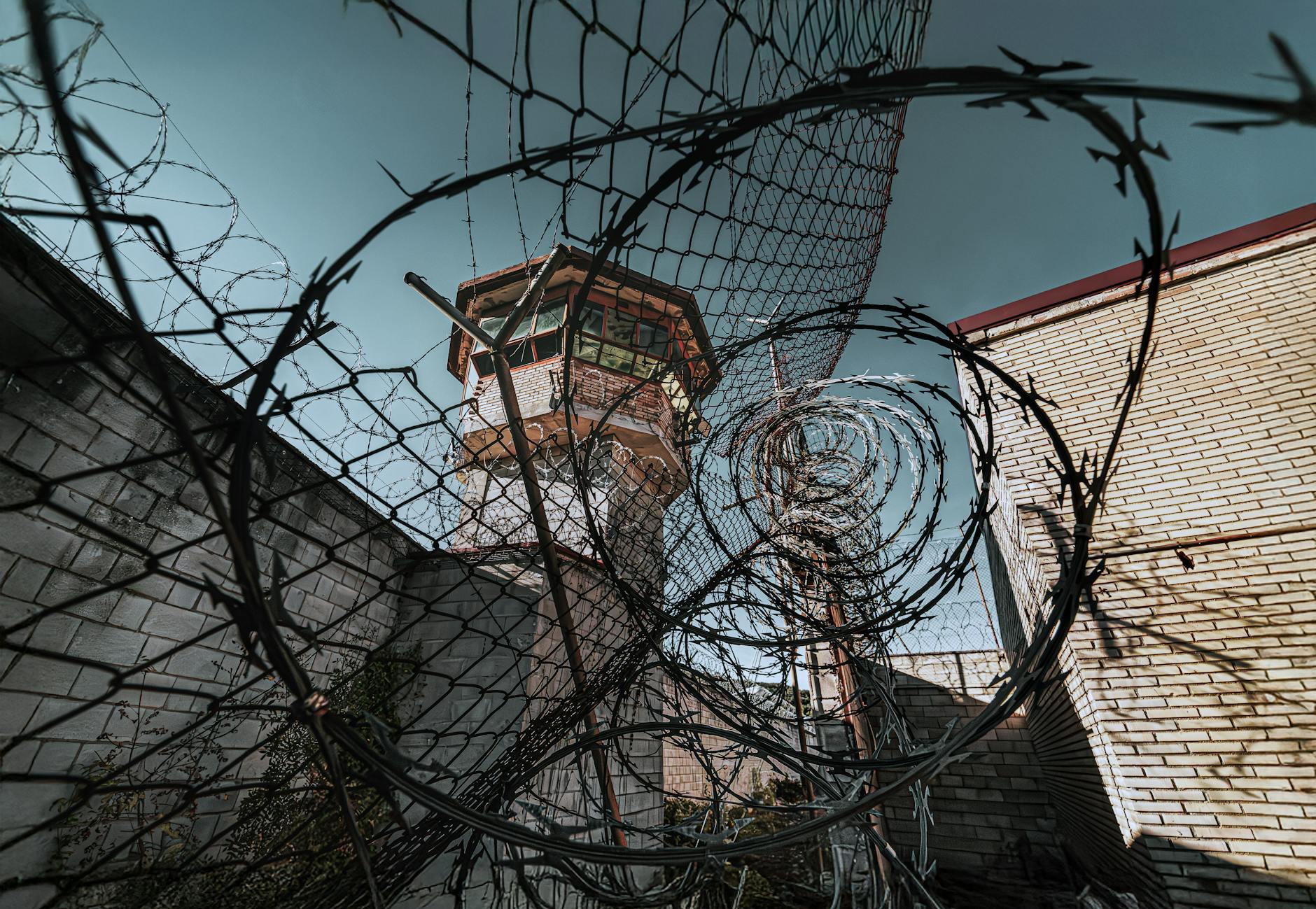
Colonia Dignidad operated as a fortified compound in rural Chile for more than four decades, masquerading as a charitable mission while its leader orchestrated systematic child sexual abuse and collaborated with the Pinochet dictatorship’s torture apparatus. When Chilean authorities arrested former Nazi Paul Schäfer in 2005 after years as a fugitive, the investigation revealed an organization built on coercion, forced labor, and violence that trapped hundreds of members behind electrified fences. Court proceedings documented not just individual crimes but a coordinated system of control that used isolation, punishment, and ideological manipulation to maintain power.
The compound and its leader
Paul Schäfer, a former Wehrmacht medic and lay preacher, fled Germany in 1961 facing child sexual abuse allegations. He brought a group of German Baptist followers to Chile, where he established Colonia Dignidad in the foothills of the Andes Mountains near Parral, approximately 220 miles south of Santiago. The compound eventually spanned nearly 42,000 acres and housed between 300 and 400 residents, predominantly German immigrants and their descendants.
Schäfer structured the colony around complete separation from Chilean society and absolute obedience to his authority. Residents lived without access to outside media, telephones, or unsupervised contact with visitors. Families were divided by gender, with men, women, and children housed in separate dormitories. Schäfer prohibited romantic relationships and marriages, maintaining control over all aspects of reproduction and child-rearing within the community.
The organization presented itself publicly as a charitable foundation providing medical services and agricultural development to the surrounding region. This facade allowed Schäfer to cultivate relationships with Chilean political and military figures, particularly after General Augusto Pinochet’s 1973 coup.
Collaboration with the dictatorship
Declassified documents and survivor testimony revealed that Colonia Dignidad served as a detention and torture site for Pinochet’s secret police during Chile’s military dictatorship from 1973 to 1990. The compound’s isolation and Schäfer’s anti-communist ideology aligned with the regime’s objectives, creating a partnership that provided protection for the colony and operational resources for state security forces.
Former political prisoners testified that they were held in underground cells at the compound, where they were subjected to torture including electrical shocks, waterboarding, and psychological abuse. The colony’s medical facilities and German-trained personnel supported these operations. Investigators later identified specific buildings and underground structures used for detention, some of which remained hidden until excavations in the 2000s.
This relationship gave Schäfer significant political protection. Chilean authorities ignored complaints from former members and international investigators for decades, effectively allowing the colony to operate as a state within a state, exempt from normal legal oversight.
Internal control and abuse
Schäfer maintained power through ideological indoctrination, physical punishment, forced medication, and systematic sexual abuse. Former residents described a hierarchy of enforcers who carried out his orders, administering beatings and other punishments for infractions ranging from unauthorized conversations to attempts to leave the compound.
Children were separated from their parents and raised communally under strict supervision. Education focused on religious indoctrination and practical skills that served the colony’s operations. Schäfer selected boys for sexual abuse, using his position as spiritual leader to frame the violence as special attention or religious duty. Survivors reported that resistance resulted in severe beatings, solitary confinement, or forced psychiatric medication.
The colony operated its own medical clinic, pharmacy, and hospital, which Schäfer used to control residents through unnecessary procedures and medications. Former members described being given psychotropic drugs without consent or medical justification, particularly those who questioned authority or showed signs of wanting to leave.
The case that broke protection
In 1996, Chilean authorities filed charges against Schäfer for the sexual abuse of 26 boys. Unlike previous complaints that had been dismissed or ignored, this case gained traction as Chile’s democratic transition weakened the protective networks Schäfer had built during the dictatorship. The investigation revealed systematic abuse spanning decades, with victims ranging from young children to teenagers.
Schäfer fled the compound in 1997 before he could be arrested, beginning an eight-year period as a fugitive. Despite his absence, the organization continued operating under the leadership of his deputies, maintaining the same control structures and restrictions on residents.
Argentine authorities arrested Schäfer in March 2005 near Buenos Aires following an international warrant. He was extradited to Chile, where he faced trial on multiple charges of child sexual abuse and other crimes. In 2006, a Chilean court sentenced him to 20 years in prison for sexually abusing 25 children. Additional convictions followed for kidnapping, illegal weapons possession, and other offenses related to his control of the colony.
Broader prosecutions and discoveries
Schäfer’s conviction opened investigation into Colonia Dignidad’s wider operations. Chilean prosecutors filed charges against multiple former colony leaders and members who had enforced his control, including doctors who performed unnecessary procedures and administered drugs without consent, and enforcers who carried out physical punishments.
Excavations at the compound revealed extensive underground facilities, including bunkers, weapons caches, and detention cells. Investigators discovered that the colony had maintained a significant arsenal and surveillance system, far beyond what would be needed for a religious community. These findings corroborated testimony from both political prisoners and former residents about the compound’s dual purpose.
German prosecutors also pursued cases related to Colonia Dignidad, focusing on crimes committed before Schäfer fled Germany and on German citizens who participated in abuse at the Chilean compound. These investigations faced jurisdictional challenges but resulted in several convictions.
Aftermath and ongoing accountability
Paul Schäfer died in a Santiago prison hospital in 2010 at age 88 while serving his sentence. His death did not end legal proceedings related to the colony. Chilean courts continued prosecuting former leaders and collaborators throughout the 2010s, securing convictions for human rights violations, child abuse, and weapons charges.
The compound, renamed Villa Baviera in the 1990s as part of an attempted rebranding, struggled with its transformation. Some former residents remained, attempting to rebuild as a legitimate community and tourist destination. Others left and became vocal advocates for accountability and support for survivors.
Chilean courts have awarded damages to victims of both political imprisonment and internal abuse, though many survivors reported that financial compensation could not address the psychological trauma of decades under authoritarian control. The German government also faced criticism for its limited response to a German-led organization that operated on foreign soil with apparent impunity for so long.
In 2016, the Chilean government officially recognized Colonia Dignidad as a site of human rights violations during the dictatorship, designating it for historical preservation and education. The designation acknowledged both the political prisoners who were tortured there and the residents who were trapped inside the compound’s system of control.
Legal and structural questions
The Colonia Dignidad case raised significant questions about how organizations can operate beyond legal oversight when they combine ideological isolation, geographic remoteness, and political protection. Investigators documented how Schäfer’s relationship with the Pinochet regime created a zone of immunity that persisted even after Chile’s return to democracy, delaying accountability by more than a decade.
The case also highlighted the challenges of prosecuting crimes within closed communities where witnesses have been conditioned through years of coercion and where evidence has been systematically hidden or destroyed. Many former residents initially refused to cooperate with investigators, either out of continued loyalty to the organization’s ideology or fear of retribution.
Ongoing civil cases continue to seek accountability from individuals and institutions that enabled or ignored the colony’s operations, including Chilean military officials, German church organizations, and businesses that profited from the compound’s agricultural and industrial production.
Where to look next
- Documentary: “A Sinister Sect: Colonia Dignidad” (Netflix)
- Book: “Colonia Dignidad: A German Sect in Chile” by Jan Stehle
- Podcast: “Colonia Dignidad” (Witness History, BBC)