

Case overview
The 2019 federal trial of Joaquín “El Chapo” Guzmán in Brooklyn exposed the structure, violence, and corruption that sustained the Sinaloa cartel’s drug trafficking empire for decades. Testimony from cooperating witnesses, intercepted communications, and financial records detailed how Guzmán directed murders, bribed officials, and moved multi-ton cocaine shipments across international borders. The trial resulted in a life sentence and dismantled the public secrecy surrounding one of the world’s most powerful criminal organizations.
The indictment and capture
Guzmán was indicted in the Eastern District of New York in 2009 on charges including leading a continuing criminal enterprise, drug trafficking conspiracy, and firearms violations. The indictment accused him of overseeing a trafficking organization responsible for importing and distributing hundreds of tons of cocaine, heroin, methamphetamine, and marijuana into the United States between 1989 and 2014.
After escaping from Mexican prisons twice—including a 2015 escape through a mile-long tunnel beneath his cell—Guzmán was recaptured in January 2016 following a raid in Los Mochis, Sinaloa. Mexican authorities extradited him to the United States in January 2017. He was held at the Metropolitan Correctional Center in Manhattan under special administrative measures that restricted his communications and barred contact with other inmates.
The prosecution’s case
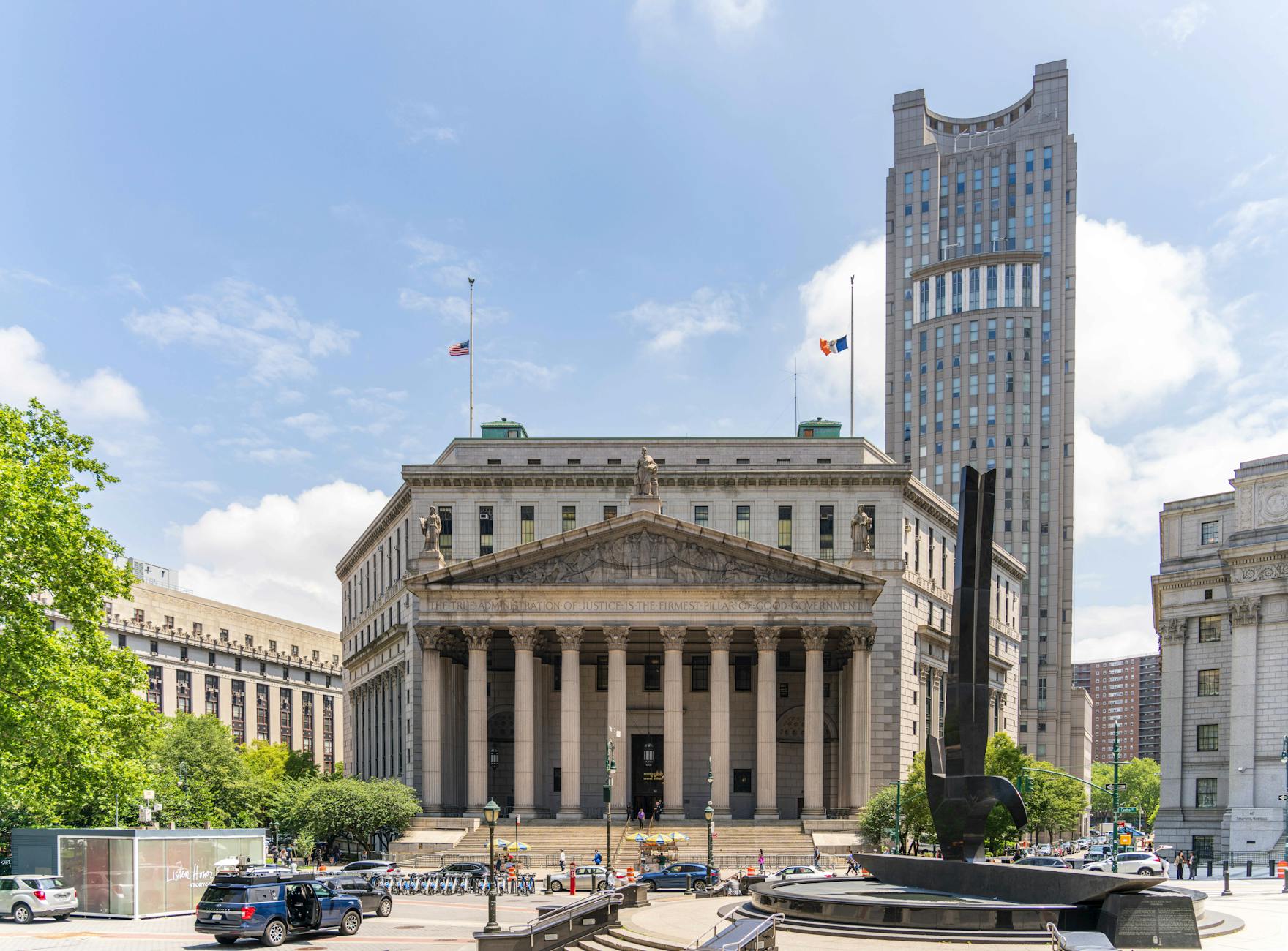
The trial began in November 2018 before Judge Brian Cogan in the United States District Court for the Eastern District of New York. Prosecutors presented evidence spanning three decades, relying on testimony from 14 cooperating witnesses who had worked within the cartel. Many were former associates, enforcers, and traffickers who pleaded guilty to their own crimes in exchange for reduced sentences.
Witnesses described a hierarchical organization in which Guzmán made final decisions on shipments, violence, and territorial disputes. Testimony detailed how the cartel used planes, submarines, trucks with hidden compartments, and rail cars to move drugs from South America through Mexico and into the United States. Financial analysts traced billions of dollars in proceeds laundered through shell companies and real estate.
A former communications technician for the cartel testified that he helped install encrypted phone systems that allowed Guzmán to communicate with operatives across continents. Prosecutors entered thousands of intercepted text messages and phone calls into evidence, many of which showed Guzmán ordering killings, negotiating cocaine prices, and coordinating bribes to Mexican officials.
Violence and enforcement
Multiple witnesses recounted murders ordered or directed by Guzmán. Testimony described executions of rivals, informants, and cartel members suspected of disloyalty. A former bodyguard testified that Guzmán personally shot and killed three members of a rival cartel after interrogating them. Other witnesses described victims being tortured, buried alive, or dismembered.
The cartel maintained control through a network of sicarios, or hitmen, who carried out orders across Mexico and Central America. Prosecutors presented evidence linking the organization to mass killings, including a 2010 massacre in Ciudad Juárez that killed more than a dozen people at a party. Witnesses testified that violence was both strategic and punitive, used to eliminate competition and enforce discipline within the organization.
Corruption and political protection
Testimony revealed widespread bribery of Mexican officials, including police commanders, military officers, and politicians. A former cartel secretary testified that Guzmán paid $100 million to former Mexican President Enrique Peña Nieto in exchange for protection. Peña Nieto denied the allegations, and no charges were filed.
Other witnesses described payments to local mayors, prison guards, and federal agents who provided intelligence, safe passage, and advance warning of law enforcement operations. The cartel’s ability to corrupt officials at every level allowed it to operate with minimal interference for years. Defense attorneys questioned the credibility of these accounts, noting that many cooperating witnesses had incentives to fabricate or exaggerate claims.
The defense strategy
Guzmán’s legal team argued that he was not the leader of the Sinaloa cartel and that prosecutors relied on unreliable witnesses with criminal histories and motives to lie. Defense attorneys pointed to inconsistencies in witness testimony and highlighted plea agreements that reduced sentences in exchange for cooperation. They suggested that Ismael “El Mayo” Zambada, Guzmán’s partner and co-founder of the cartel, was the true leader and had avoided capture by allowing Guzmán to take the public role.
The defense did not present witnesses or allow Guzmán to testify. Attorneys focused their closing arguments on the lack of physical evidence directly linking Guzmán to specific drug shipments and the government’s reliance on cooperators who had committed violent crimes themselves.
The verdict and sentencing
On February 12, 2019, after six days of deliberation, the jury convicted Guzmán on all 10 counts, including engaging in a continuing criminal enterprise, drug trafficking, money laundering, and use of firearms. The conviction carried a mandatory life sentence without the possibility of parole.
At sentencing in July 2019, Judge Cogan imposed a life term plus 30 years and ordered Guzmán to forfeit $12.6 billion. Prosecutors requested that he be sent to ADX Florence, a supermax prison in Colorado. Guzmán addressed the court briefly, complaining about his detention conditions and alleging that the trial was unfair. He did not express remorse.
The Bureau of Prisons transferred Guzmán to ADX Florence, where he remains in solitary confinement under the most restrictive custody conditions in the federal system.
Ongoing cartel operations
Despite Guzmán’s conviction, the Sinaloa cartel continues to operate. Zambada remains at large and is believed to control significant portions of the organization. Guzmán’s sons, known collectively as “Los Chapitos,” have taken over other factions and are currently facing federal indictments in the United States on drug trafficking and weapons charges.
The trial did not dismantle the cartel’s infrastructure, and Mexican authorities continue to report violence linked to the organization’s disputes with rival groups, including the Jalisco New Generation Cartel. The power vacuum created by Guzmán’s extradition has led to internal conflict and shifting alliances within the cartel’s leadership.
Impact on cartel prosecutions
The El Chapo trial set a precedent for prosecuting high-level cartel figures in U.S. courts. The use of cooperating witnesses, intercepted communications, and financial analysis became a model for subsequent cases. Federal authorities have since pursued extradition and prosecution of other cartel leaders, including members of the Gulf Cartel, Los Zetas, and the Beltrán-Leyva Organization.
The trial also highlighted the limits of targeting individual leaders. While Guzmán’s conviction represented a symbolic victory, it did not disrupt the cartel’s operations or reduce drug trafficking into the United States. The trial revealed the extent of corruption within Mexican institutions but did not result in accountability for the officials named in witness testimony.
Where to look next
- Documentary: “El Chapo: The Most Wanted Man in the World” (Investigation Discovery)
- Book: “The Trial of El Chapo” by Noah Hurowitz
- Book: “El Chapo: The Untold Story of the World’s Most Infamous Drug Lord” by Malcolm Beith
- Podcast: “Chapo: Kingpin on Trial” (VICE News)