


Case overview
Marianne Wilkinson was found dead under circumstances that turned her final documented movements into the center of a homicide investigation. The case hinged on witness accounts, timeline gaps, and forensic evidence that investigators used to narrow their focus. What remains in question is whether the most critical piece of evidence was ever fully resolved.
The last confirmed sighting
Marianne Wilkinson was last seen alive in the hours before her body was discovered. Investigators reconstructed her movements through witness statements, surveillance footage, and phone records. The timeline became essential to understanding who had access to her during the window when the murder occurred.
Her final interactions were documented by those who saw her that day. Some accounts placed her in the company of individuals later questioned by police. Others noted her routine activities, providing a baseline against which unusual behavior or deviation could be measured.
The gap between her last confirmed sighting and the discovery of her body became the focus of investigative scrutiny. Detectives worked to identify anyone who could account for her whereabouts during that period and whether she had communicated distress or concern to anyone in her circle.
How the body was found
Marianne Wilkinson’s body was discovered in a location that immediately raised questions about whether she had been killed there or moved after death. The condition of the scene, along with evidence collected during the initial sweep, shaped the direction of the investigation.
Forensic teams processed the site for trace evidence, looking for signs of struggle, defensive wounds, and any material that could link a suspect to the location. The findings established a preliminary cause of death and helped determine whether the scene had been altered or staged.
Investigators examined the surrounding area for witnesses who may have seen or heard something unusual. Canvassing efforts focused on identifying vehicles, individuals, or activity that did not fit normal patterns of the neighborhood or location where the body was found.
The suspect timeline
Attention turned to individuals who had recent contact with Marianne Wilkinson. Investigators built timelines for each person of interest, cross-referencing their stated whereabouts with phone records, surveillance footage, and witness corroboration.
One individual became the subject of intensified scrutiny after inconsistencies emerged in their account of the hours surrounding the murder. Detectives noted discrepancies between their initial statement and evidence collected from the scene and from digital records.
Interrogations clarified these gaps. Investigators pressed for details about movements, communications, and any interactions with the victim that had not been disclosed. The suspect’s behavior during questioning, along with their willingness to provide verifiable alibi information, became part of the investigative record.
The forensic evidence
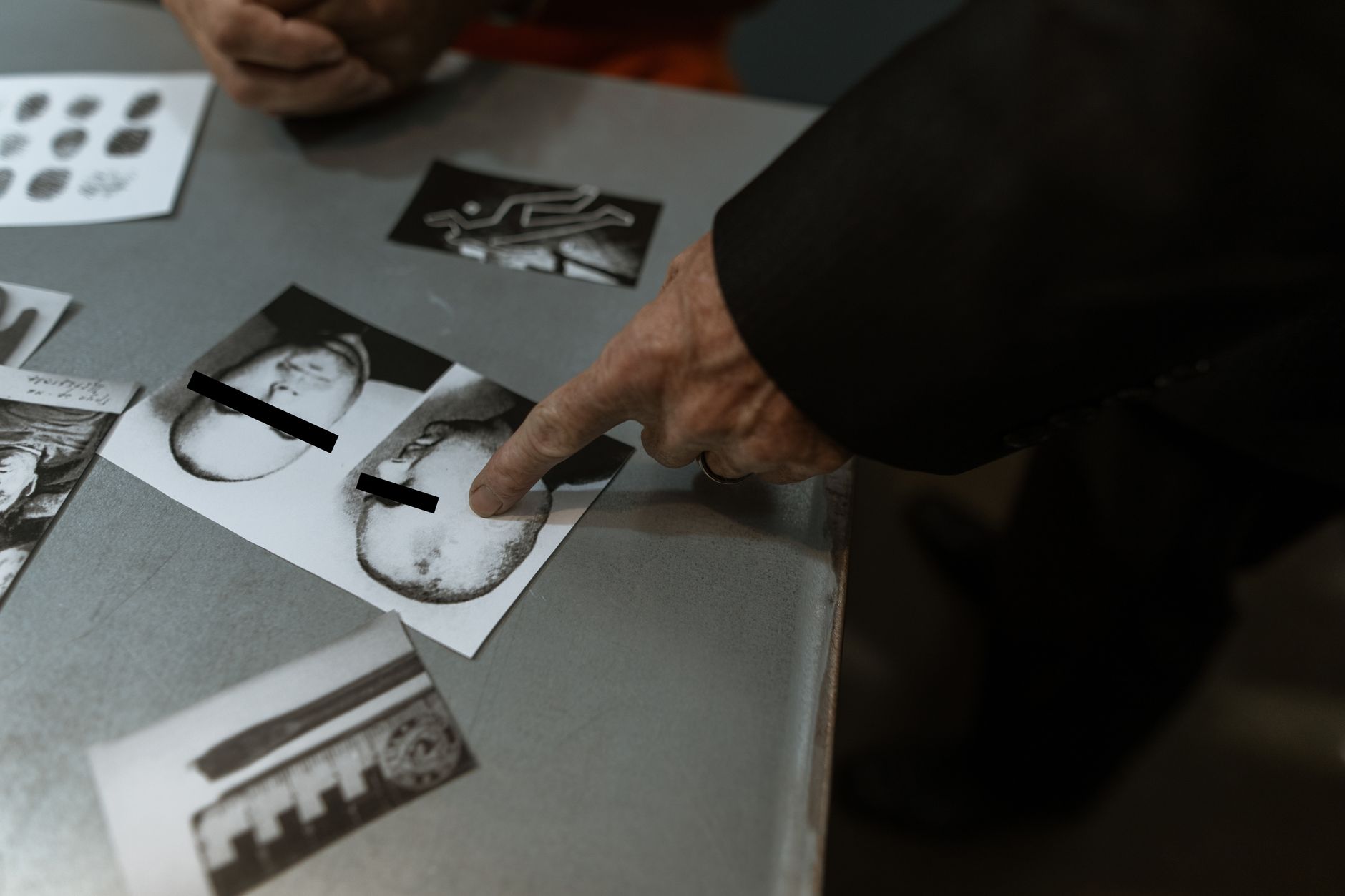
Physical evidence played a defining role in the case. DNA samples, fingerprints, and trace materials were analyzed to determine whether they could be linked to a specific individual. The results were compared against samples taken from persons of interest and from the victim.
Forensic pathology provided critical information about the manner of death. The autopsy report detailed injuries, estimated time of death, and whether any substances were present in the victim’s system. These findings narrowed the timeline and helped rule out or support various investigative theories.
Additional evidence included items recovered from the scene and from searches of vehicles and residences connected to the investigation. Investigators documented each piece of material evidence and its potential relevance to establishing opportunity, means, or motive.
The turning point
A key development emerged when investigators identified evidence that contradicted one suspect’s account. This evidence, whether testimonial, forensic, or digital, became the basis for escalating the investigation from inquiry to formal accusation.
The decision to charge a suspect was based on the cumulative weight of the evidence rather than a single breakthrough. Prosecutors reviewed the case file to determine whether the evidence met the threshold for criminal charges and whether it could be presented effectively in court.
Defense arguments centered on challenging the reliability of the evidence and the validity of the investigative methods used to obtain it. The case turned on whether the prosecution could demonstrate a clear and unbroken chain of evidence linking the accused to the crime.
The question that remains
Despite the resolution of the case through the criminal justice system, questions persist about whether all evidence was fully accounted for and whether alternative explanations were adequately explored. The handling of certain forensic materials and the interpretation of witness statements continue to be scrutinized by those who followed the case closely.
The final hours of Marianne Wilkinson’s life remain the most analyzed period of the investigation. What she did, who she spoke to, and where she went during that time are now part of the permanent record. Whether that record tells the complete story is a question that continues to shadow the case.
Where to look next
- Documentary: “Forensic Files” (Investigation Discovery)
- Documentary: “The First 48” (A&E)
- Podcast: “Dateline NBC”