

Case overview
Valerie Graves was found bludgeoned to death in a guest bedroom in Bosham, West Sussex, on December 30, 2013. DNA recovered from her body led to an arrest two decades later, but the suspect was acquitted after a trial that turned on forensic transfer, alibis, and investigative assumptions. The case remains open.
The victim and the weekend
Valerie Graves, 55, was an artist and former Scaffold band member who lived in Sussex. On December 27, 2013, she traveled with her sister Jill, Jill’s partner Nigel Acres, and Nigel’s mother to a coastal home in Bosham owned by a family friend. The group planned to stay through the New Year holiday.
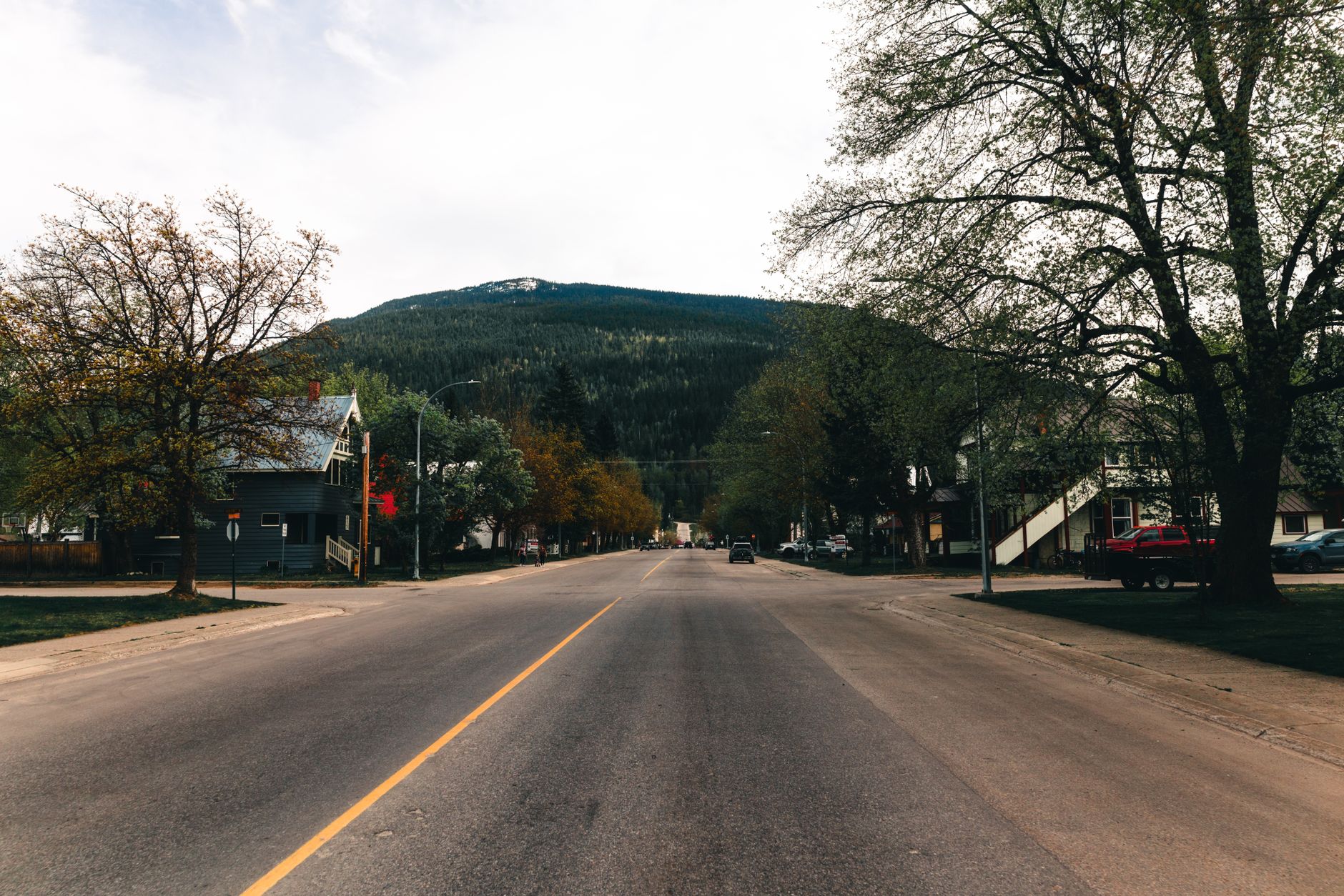
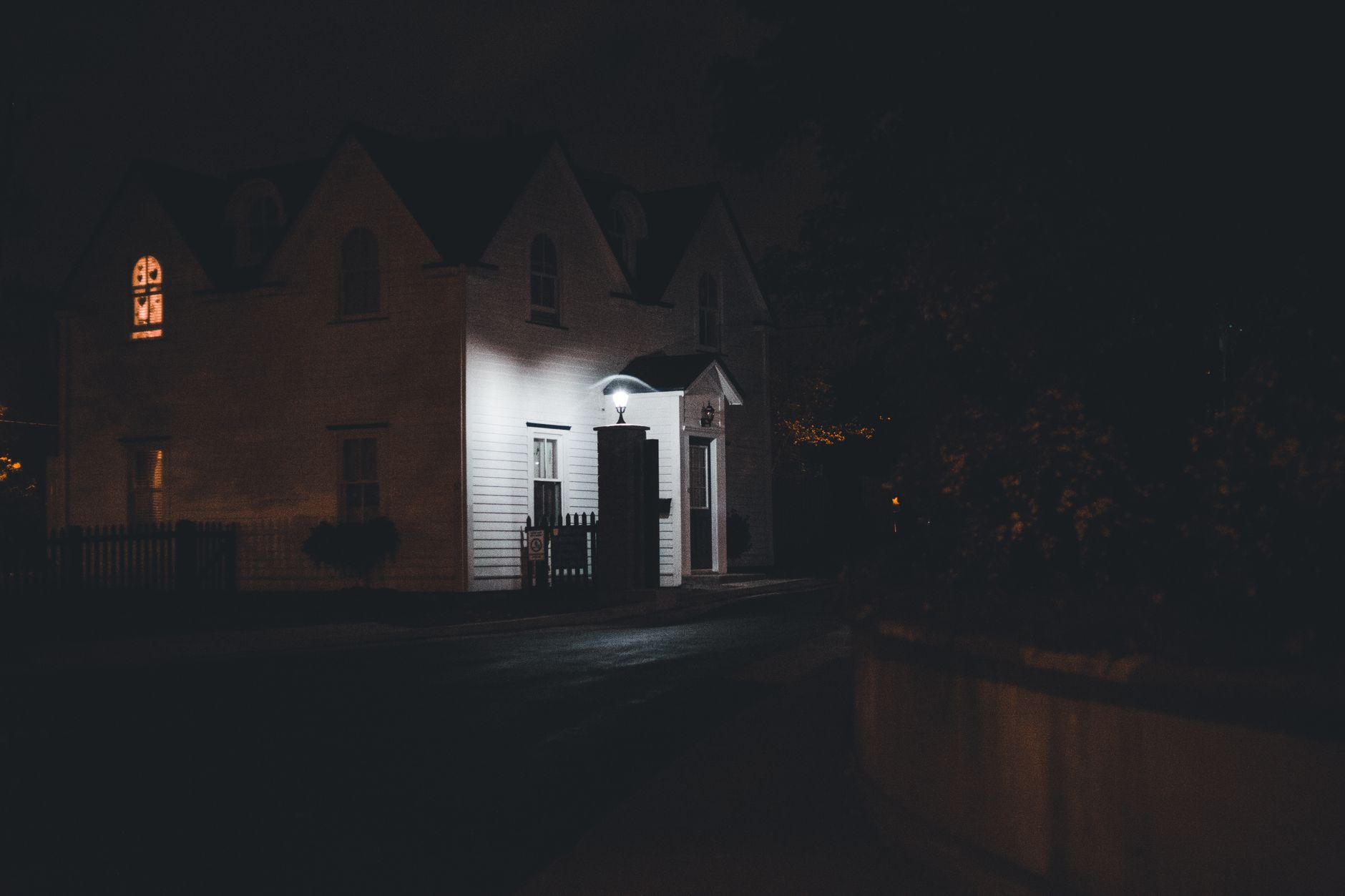
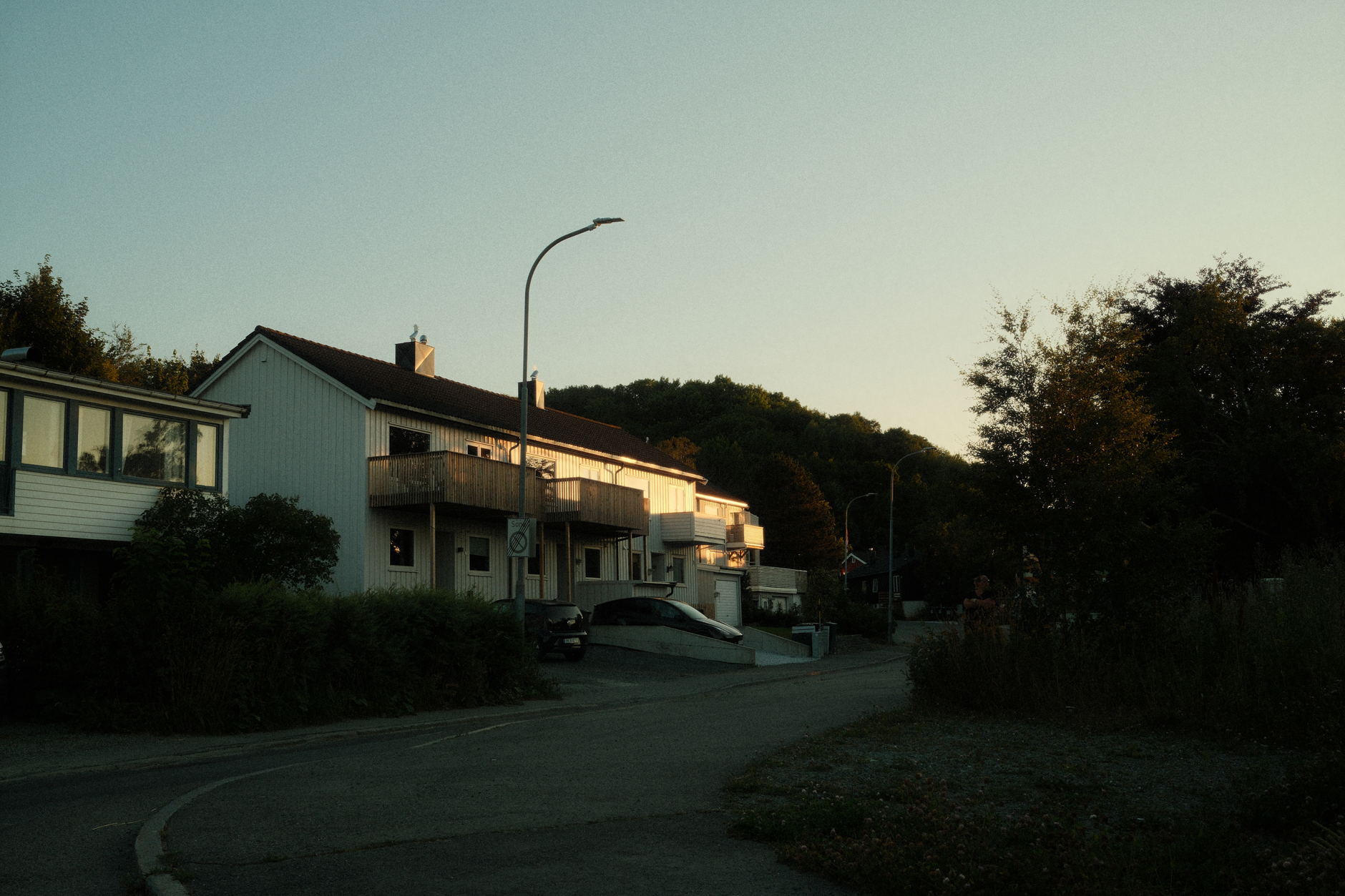
The house sat on a quiet residential street near Chichester Harbour. Valerie slept in a ground-floor guest bedroom. The others stayed upstairs.
On the morning of December 30, Nigel Acres came downstairs and found Valerie’s body. She had been struck repeatedly with a claw hammer, which was recovered at the scene. There were no signs of forced entry. Nothing appeared stolen.
The forensic recovery
Sussex Police secured the scene and opened a murder investigation. Forensic officers recovered male DNA from Valerie’s left breast. The profile did not match anyone in the house or anyone in the national DNA database at the time.
Detectives conducted door-to-door inquiries and reviewed CCTV from the area. They appealed publicly for information about anyone seen near the property in the early hours of December 30. No weapon other than the hammer was recovered. No suspect was identified in the initial investigation.
The case was periodically reviewed, and the DNA profile was checked against updated databases as new entries were added.
The 2023 arrest
In November 2023, Sussex Police announced that a 21-year-old man had been arrested in connection with the murder. The suspect had been linked to the crime through a DNA match.
The man was a child at the time of the killing. The DNA profile recovered from Valerie’s body matched a sample taken from him years later in connection with an unrelated matter. He had no known connection to Valerie Graves or her family. He did not live in Bosham in 2013.
The arrest drew significant attention because of the time gap and the suspect’s age at the time of the crime.
The trial and the defense
The suspect was charged with murder and stood trial in 2024. The prosecution’s case centered on the DNA evidence. Forensic scientists testified that the male DNA profile found on Valerie’s body matched the defendant and that the likelihood of it belonging to someone else was extremely low.
The defense did not dispute the DNA match. Instead, the case turned on how the DNA got there. The defense argued that the DNA could have been transferred innocently through secondary or tertiary contact, a process sometimes referred to as touch DNA transfer.
Defense experts testified that DNA can be transferred through objects, clothing, or surfaces without direct contact between two people. They pointed to studies showing that DNA can persist on skin for extended periods and can be moved from person to person in everyday environments.
The prosecution countered that the DNA was found in a location consistent with direct contact during a violent assault. They noted that the defendant had no documented alibi for the night of the murder and that the DNA evidence, combined with the circumstances, supported a conviction.
The alibi question
The defendant testified that he was not in Bosham on the night Valerie was killed. He said he was at home with family and had no memory of being near the house or meeting the victim. Family members provided statements supporting his account, though none could provide precise detail about his movements in the early morning hours of December 30.
The prosecution questioned the reliability of the alibi, noting the passage of time and the lack of corroborating evidence such as phone records or CCTV. The defense maintained that the absence of evidence placing the defendant at the scene was significant and that the DNA alone did not prove presence during the attack.
The verdict
After deliberating, the jury acquitted the defendant. The verdict was based on reasonable doubt regarding how the DNA came to be on Valerie’s body. Jurors were not required to explain their reasoning, but legal observers noted that cases relying on DNA transfer theory without corroborating evidence have faced similar challenges in other UK courts.
Sussex Police issued a statement after the verdict confirming that the investigation remains open. They did not announce new suspects or investigative directions.
The unresolved record
The case presents a series of unanswered questions. No other forensic evidence has been publicly disclosed that links anyone else to the scene. No clear motive has been established. The hammer used in the attack was traced to the property, suggesting the assailant may not have brought a weapon.
The DNA evidence remains the strongest lead, but the trial outcome reflects growing scrutiny of how touch DNA is used in criminal cases. Courts in the UK and the US have increasingly required prosecutors to account for the possibility of secondary transfer, particularly in cases without supporting evidence.
Valerie’s family has said publicly that they continue to seek answers. They have expressed frustration with the pace of the investigation and the lack of resolution. The case has been covered periodically in UK media, but it has not generated sustained national attention outside the trial period.
Where to look next
- Documentary: “The Investigator: A British Crime Story” (Channel 5)
- Documentary: “Murder by the Sea” (CBS Reality)
- Podcast: “They Walk Among Us” (Benjamin and Rosanna, independent)