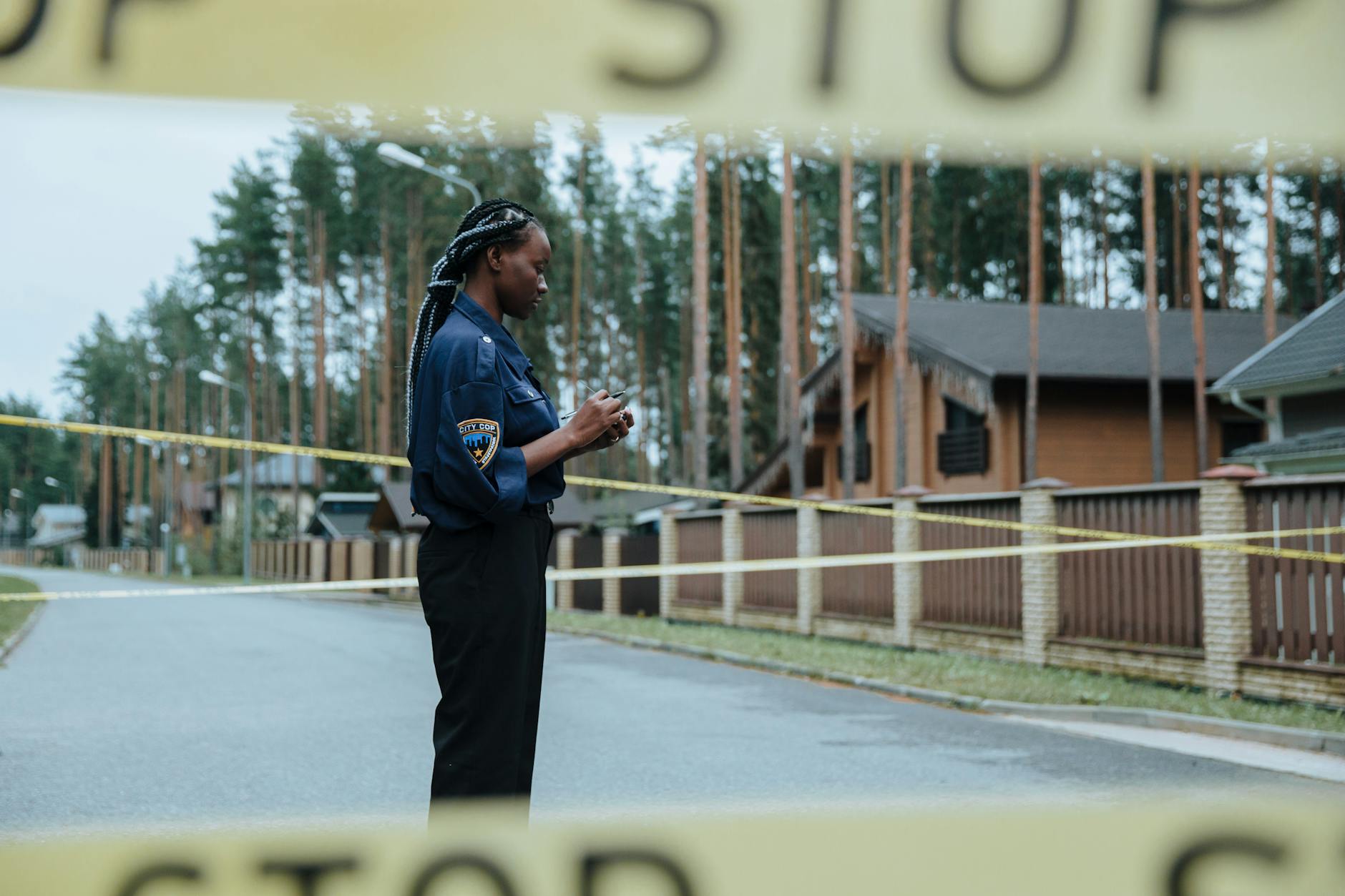




Case overview
Katie Sepich, a 22-year-old graduate student at New Mexico State University, was sexually assaulted, set on fire, and killed in August 2003. Her body was found in a landfill outside Las Cruces. DNA recovered from beneath her fingernails linked Gabriel Avila to the crime three years later, but only after he was arrested on an unrelated burglary charge.
The last confirmed movements
On August 30, 2003, Katie Sepich attended a house party near the university with her fiancé. She left the gathering alone on foot around 2:00 a.m., planning to walk to a nearby friend’s apartment. She never arrived. Her fiancé reported her missing later that morning.
Search efforts began immediately. Law enforcement canvassed the neighborhood and interviewed partygoers. No witnesses reported seeing Sepich after she left the residence.
Discovery and forensic recovery
On August 31, 2003, workers at the Corralitos Road landfill discovered human remains. The body had been burned and was located in an area accessible by vehicle. Investigators identified the victim as Katie Sepich through dental records.
The autopsy confirmed she had been sexually assaulted and strangled. She sustained blunt force trauma to the head. The medical examiner determined she was alive when she was set on fire. DNA evidence was recovered from beneath her fingernails, indicating she had fought her attacker.
The DNA profile was entered into the national CODIS database. No match was found. Investigators had forensic evidence but no suspect.
The three-year investigation
Detectives pursued multiple leads. They interviewed Sepich’s friends, acquaintances, and individuals at the party. They reviewed traffic camera footage and searched for reports of suspicious activity in the area. No credible suspect emerged.
The case remained open but lacked forward momentum. The DNA profile sat in the database without a corresponding entry. New Mexico law at the time required a felony conviction before a suspect’s DNA could be entered into CODIS. Arrestees were not profiled unless convicted.
The Sepich family began advocating for legislative changes that would allow DNA collection upon arrest for violent felonies. They argued that earlier collection could prevent future crimes and resolve cold cases more quickly.
The burglary arrest and the match
In November 2006, Gabriel Avila was arrested in Las Cruces for burglary. Because the crime occurred after New Mexico had expanded its DNA collection statute, Avila’s DNA was collected and entered into CODIS. The database returned a match to the DNA recovered from Katie Sepich’s fingernails.
Avila lived in the same neighborhood where Sepich was last seen. He had no prior connection to her and was not among the individuals initially interviewed. Investigators believe he encountered her as she walked alone that night.
He was charged with first-degree murder, criminal sexual penetration, kidnapping, and tampering with evidence. Prosecutors argued that the DNA evidence, combined with the proximity of Avila’s residence to the crime scene, established his involvement.
Trial and conviction
Gabriel Avila went to trial in 2008. The prosecution presented the DNA evidence as the central link between Avila and the crime. Forensic experts testified that the genetic material beneath Sepich’s fingernails matched Avila’s profile with a statistical probability exceeding one in several billion.
The defense did not contest the DNA match but argued that the evidence was circumstantial and did not prove Avila committed the murder. They pointed to the lack of eyewitness testimony and the absence of additional physical evidence tying him to the scene.
The jury convicted Avila on all counts. He was sentenced to 69 years in prison without the possibility of parole. The conviction was upheld on appeal.
Legislative aftermath
Katie Sepich’s parents, Dave and Jayann Sepich, became national advocates for DNA legislation following her death. They worked with lawmakers to pass Katie’s Law in New Mexico in 2006, which required DNA collection from individuals arrested for violent felonies.
The law was later expanded to include all felony arrests. The Sepichs continued to push for similar legislation in other states and at the federal level. By 2013, all 50 states had enacted some form of arrestee DNA collection law.
Supporters argue that early DNA collection can identify suspects more quickly and prevent additional crimes. Critics raise concerns about privacy and the retention of DNA profiles from individuals never convicted of a crime.
Unresolved questions
Gabriel Avila has not publicly discussed the crime or provided a detailed account of what occurred. The prosecution’s case relied heavily on the DNA evidence and the physical proximity of Avila’s residence to the area where Sepich was last seen.
No weapon was recovered. Investigators did not establish where the assault took place or how Sepich was transported to the landfill. The timeline between her disappearance and the discovery of her body remains partially reconstructed.
Avila’s conviction is final, but the case remains a reference point in debates over forensic databases and the tension between investigative efficiency and civil liberties.
Where to look next
- Book: “Justice for Katie: A Mother’s Quest to Change the Law” by Jayann Sepich
- Podcast: “Trace Evidence” (Steven Pacheco)