Case overview
On July 20, 2012, a gunman opened fire inside Century 16 theater in Aurora, Colorado, during a midnight screening of “The Dark Knight Rises,” killing 12 people and injuring 70 others in one of the deadliest mass shootings in modern U.S. history. James Holmes, a 24-year-old neuroscience graduate student, was arrested in the parking lot minutes after the attack and later sentenced to life in prison without parole. The case became a focal point for debates over mental health evaluation, the death penalty, and the public release of investigative records.
The timeline of the attack
The shooting began at approximately 12:38 a.m. on July 20, 2012, roughly 20 minutes into the film. Holmes purchased a ticket for the screening, entered the theater, and sat in the front row. Shortly after the movie started, he exited through an emergency door, propped it open, and returned wearing ballistic gear and armed with multiple firearms.
He re-entered Theater 9 and began firing. Witnesses described confusion in the initial moments, with some believing the gunfire was part of a promotional stunt tied to the film. Holmes discharged a 12-gauge shotgun, a Smith & Wesson M&P15 semi-automatic rifle, and a Glock 22 handgun. He fired at least 76 rounds in roughly 90 seconds.
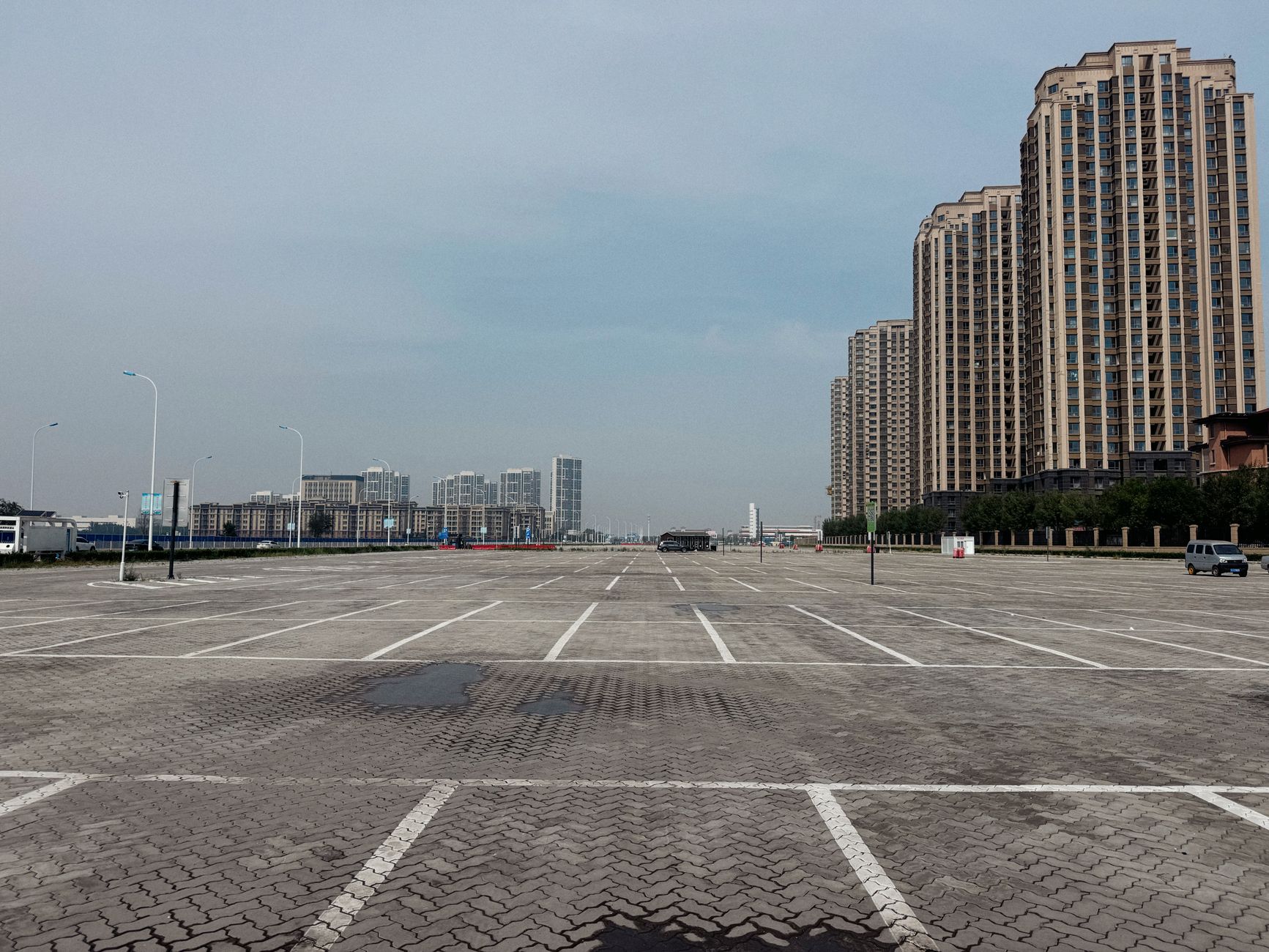
Aurora Police received the first 911 call at 12:39 a.m. and arrived within two minutes. Officers found Holmes standing near his vehicle in the rear parking lot. He surrendered without resistance and told officers he had explosives at his apartment.
The victims
Twelve people were killed during the attack: Jonathan Blunk, Alexander J. Boik, Jesse Childress, Gordon Cowden, Jessica Ghawi, John Larimer, Matt McQuinn, Micayla Medek, Veronica Moser-Sullivan, Alex Sullivan, Alexander C. Teves, and Rebecca Wingo. Ages ranged from 6 to 51. Veronica Moser-Sullivan was the youngest victim.
Seventy others were injured, many critically. Injuries included gunshot wounds, shrapnel trauma, and injuries sustained while attempting to escape. Several survivors were trampled or fell while fleeing the theater. The severity and number of casualties were compounded by the confined space and darkness inside the auditorium.
Victims and family members later became active in gun violence prevention advocacy and efforts to change how mass casualty events are reported.
The arrest and apartment threat
Holmes was taken into custody without incident. He was dressed in protective clothing and a gas mask and had dyed his hair red, later describing himself to police as “The Joker,” according to initial reports. Subsequent testimony clarified that this reference was secondhand and its reliability was disputed.
Holmes informed officers that his apartment, located roughly five miles away, was rigged with explosives. Aurora Police and the FBI coordinated a controlled entry into the residence on July 21. Investigators found the apartment booby-trapped with incendiary and explosive devices connected to tripwires and timers. A bomb squad successfully disarmed the devices after hours of controlled detonations and water disruptions.
The apartment contained gasoline, ammunition, fireworks, and chemicals capable of producing significant explosions. Authorities stated that if detonated, the devices could have caused severe damage to the building and endangered neighboring units.
The investigation
Holmes had no prior criminal record. He was a doctoral student in neuroscience at the University of Colorado Anschutz Medical Campus and had withdrawn from the program approximately one month before the attack. University officials confirmed he had been seeing a psychiatrist on campus, Dr. Lynne Fenton, who had expressed concerns about his behavior in the weeks leading up to the shooting.
Investigators recovered extensive digital and physical evidence, including detailed plans, diagrams, and a notebook sent to Dr. Fenton prior to the attack. The notebook contained writings and drawings related to mass violence. It was intercepted by campus mail services and not opened until after the shooting occurred.
Holmes legally purchased four firearms over a two-month period from May to June 2012. He also acquired more than 6,000 rounds of ammunition and tactical gear online. Investigators found no evidence of co-conspirators or external influence.
The primary investigative challenge centered on motive. Holmes offered no coherent explanation during interviews. Forensic psychiatrists later testified during trial that he had been experiencing severe mental illness, including schizophrenia, but retained the capacity to plan and execute the attack with detailed preparation.
The trial and sentencing
Holmes was charged with 24 counts of first-degree murder, 140 counts of attempted murder, and one count of possession of explosives. He pleaded not guilty by reason of insanity in June 2013.
The trial began on April 27, 2015, in Arapahoe County District Court. It lasted nearly three months and included testimony from more than 250 witnesses. The prosecution argued that Holmes was sane and had planned the attack methodically. The defense presented psychiatric testimony asserting that Holmes suffered from severe mental illness that impaired his ability to distinguish right from wrong.
On July 16, 2015, the jury found Holmes guilty on all counts. During the penalty phase, jurors deliberated whether to impose the death penalty or life in prison without parole. On August 7, 2015, the jury was unable to reach a unanimous decision on the death penalty. Under Colorado law, the judge was required to impose a sentence of life without parole.
Holmes was formally sentenced on August 26, 2015. Judge Carlos A. Samour Jr. imposed 12 consecutive life sentences plus 3,318 years for the attempted murder and explosives convictions. Holmes is currently incarcerated at a federal correctional facility in Pennsylvania.
Contested elements
The trial surfaced several points of dispute, particularly regarding Holmes’s mental state and the adequacy of the mental health evaluation process. Defense attorneys argued that Holmes’s psychiatric treatment was insufficient and that warning signs were not acted upon. Prosecutors maintained that mental illness did not negate intent or the ability to plan.
Another contested element involved the handling of Holmes’s notebook. Questions were raised about whether earlier intervention by the university or law enforcement might have prevented the attack. The notebook was legally protected under doctor-patient confidentiality until after the shooting, and no actionable threat had been reported to police prior to July 20.
Victims’ families disagreed publicly on the appropriateness of the life sentence. Some supported the death penalty, while others opposed it on moral or procedural grounds. Colorado abolished the death penalty in 2020, and Governor Jared Polis commuted the sentences of the state’s death row inmates, though Holmes was already serving life without parole.
Impact and response
The Aurora theater shooting prompted national debates on gun control, mental health policy, and the security protocols of public venues. Theater chains across the country implemented new security measures, including bag checks and restrictions on costumes during film premieres.
Victims and survivors filed multiple lawsuits against the theater, the university, and Dr. Fenton. Most were settled or dismissed. Cinemark, the theater’s owner, faced prolonged litigation but was ultimately not held liable for security failures. The company later announced it would cover plaintiffs’ legal costs.
Several survivors became advocates for gun reform and trauma recovery. Organizations such as Survivors Empowered and the Aurora Strong Resilience Center were established to provide long-term support for those affected by the shooting.
The case remains a reference point in discussions about the intersection of mental health treatment, firearm access, and mass violence prevention. Investigative records, trial transcripts, and victim impact statements are publicly available through the Arapahoe County court system.
Where to look next
- Documentary: “Theater of War” (Investigation Discovery)
- Book: “A Dark Night in Aurora: Inside James Holmes and the Colorado Mass Shootings” by William H. Reid
- Podcast: “Crime Junkie” (Audiochuck)