Case overview
Four employees of a Burger Chef restaurant in Speedway, Indiana, disappeared during a closing shift on November 17, 1978. Their bodies were discovered the following day in a wooded area roughly 20 miles away, each having been shot or stabbed. Despite multiple suspects and decades of investigation, no arrests have been made.
The closing shift
On the night of November 17, 1978, Jayne Friedt, 20, was managing the Burger Chef location at 5725 Crawfordsville Road in Speedway, a small town surrounded by Indianapolis. Working alongside her were Daniel Davis, 16, Mark Flemmonds, 16, and Ruth Shelton, 15. The restaurant was scheduled to close at 11:00 p.m.
Shortly before midnight, an employee from another Burger Chef location arrived to return a company bank deposit bag. The restaurant was empty. The back door was open. Cash registers had been emptied but not forced. There were no signs of a struggle inside.
Police were called just after midnight when family members expressed concern. Officers found the restaurant lights on, the back door ajar, and a significant amount of cash still in the safe. Friedt’s car remained in the parking lot. An estimated $581 was missing from the registers.
Discovery in Johnson County
The bodies of all four employees were found around 4:00 p.m. on November 19 in a wooded area off Stones Crossing Road in Johnson County. A farmer walking his property made the discovery and contacted authorities.
Jayne Friedt had been stabbed twice in the chest. Daniel Davis and Ruth Shelton both died from gunshot wounds. Mark Flemmonds had been beaten and died from blunt force trauma and a gunshot wound. Friedt’s body was found approximately 150 feet from the others. Evidence indicated the victims had been forced to lie face down before being killed.
The positioning of the bodies suggested the murders had been carried out with deliberation. No murder weapons were recovered. Investigators determined the victims were killed shortly after being taken from the restaurant.
The investigative response
Speedway Police Department led the initial investigation with support from the Indiana State Police and the FBI. Burger Chef’s parent company, General Foods, offered a $25,000 reward for information leading to an arrest.
Witnesses reported seeing two men in a light-colored van near the restaurant around the time of the abduction. Another witness claimed to have seen four individuals matching the victims’ descriptions in a car headed toward the area where their bodies were later found. These sightings were never conclusively linked to the crime.
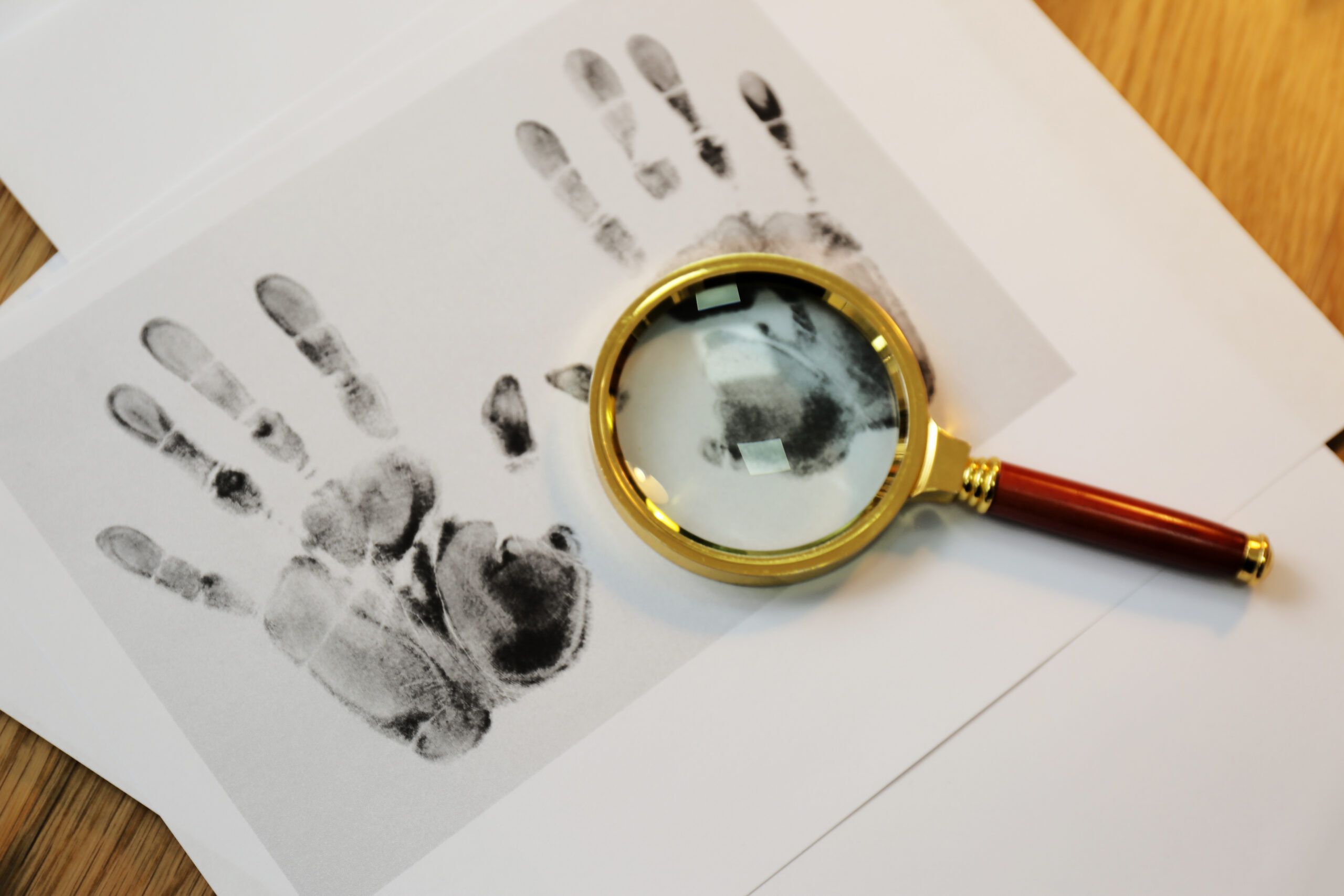
Forensic analysis was limited by the technology available in 1978. Investigators collected fingerprints from the restaurant but failed to identify any that did not belong to employees or known customers. The murder weapons were never located.
Shifting theories and suspects
Early in the investigation, authorities pursued the theory that the crime was a robbery gone wrong. The amount of cash taken did not support a premeditated plan, and the open safe suggested the perpetrators left quickly. The decision to abduct and kill all four employees rather than leave them restrained at the restaurant raised questions about motive.
A suspect known only as the “bearded man” emerged in early reports. Multiple witnesses recalled seeing an unfamiliar man with a beard at the Burger Chef earlier on November 17. Descriptions varied, and no arrest was made in connection with this individual.
In 1984, Ronald Cooley, a convicted felon serving time in Michigan, claimed involvement in the murders and provided information only the perpetrator would know. Cooley failed a polygraph examination, and prosecutors declined to file charges. He later recanted portions of his confession.
Another individual, Donald Wayne Forrester, became a person of interest after being convicted of killing three fast-food workers in a similar manner in Speedway in 1982. Forrester was already serving time for those murders when investigators revisited the Burger Chef case. He was never charged, and many details of the crimes did not align.
The contested detail
One of the most debated aspects of the investigation involves a .38-caliber firearm. Authorities believed a weapon of this type was used in the murders based on ballistic evidence recovered from the victims. In 2018, the Indiana State Police received a tip about a man who allegedly discarded a .38-caliber gun in a river shortly after the murders. Divers searched the waterway but recovered nothing.
The firearm theory has been complicated by conflicting witness statements and questions about whether more than one weapon was used. Some investigators have argued that the crime involved at least two perpetrators, while others believe a single individual could have carried out the abduction and killings.
Impact on Speedway and the industry
The Burger Chef murders marked a turning point in how fast-food chains approached security and closing procedures. General Foods implemented new policies requiring at least two employees to close together and mandated that restaurants install additional lighting and alarm systems.
For the community of Speedway, the case became a defining trauma. Public vigils were held in the days following the discovery of the bodies. Schools brought in counselors to support students who knew the victims. The case fractured trust in a town where residents routinely left doors unlocked and businesses operated late without security concerns.
The Burger Chef location where the abduction occurred was closed shortly after the murders. The building was demolished in 1996. A different business now occupies the site.
Renewed attention and unresolved questions
The case was officially reopened in 2018 after the Speedway Police Department received new tips from the public. Advances in forensic technology, particularly DNA analysis, gave investigators tools that did not exist during the original investigation. Biological evidence from the crime scene was resubmitted for testing, though results have not been made public.
In 2020, the case was featured in multiple true crime documentaries and podcasts, generating renewed public interest. Investigators have received hundreds of tips since the case’s reexamination, but none have led to charges.
The families of the victims have continued to advocate for accountability. In interviews, relatives of Jayne Friedt and Ruth Shelton have expressed frustration with the lack of progress and the passage of time. Several family members have since died without seeing the case resolved.
Where to look next
- Documentary: “The Speedway Murders” (Investigation Discovery)
- Book: “Burger Chef Murders in Speedway, Indiana” by Julie Young
- Podcast: “The Burger Chef Murders” (“Trace Evidence”, Trace Evidence Podcast)