



Case overview
Anne Sluti was abducted from a shopping mall parking lot in Kearney, Nebraska, on April 24, 2001, by Tony Zappa, a California man who held her captive for six days across multiple states. The case broke when a gas station clerk in Utah noticed Sluti’s distress and alerted authorities, leading to a standoff that ended with her rescue and Zappa’s arrest.
The abduction from Kearney
On the evening of April 24, 2001, Anne Sluti, a 17-year-old high school student, was leaving her job at a Kearney mall when Tony Zappa approached her in the parking lot. Zappa, 51, forced Sluti into her own vehicle at knifepoint and drove away. Witnesses saw the confrontation but were unable to intervene before he fled.
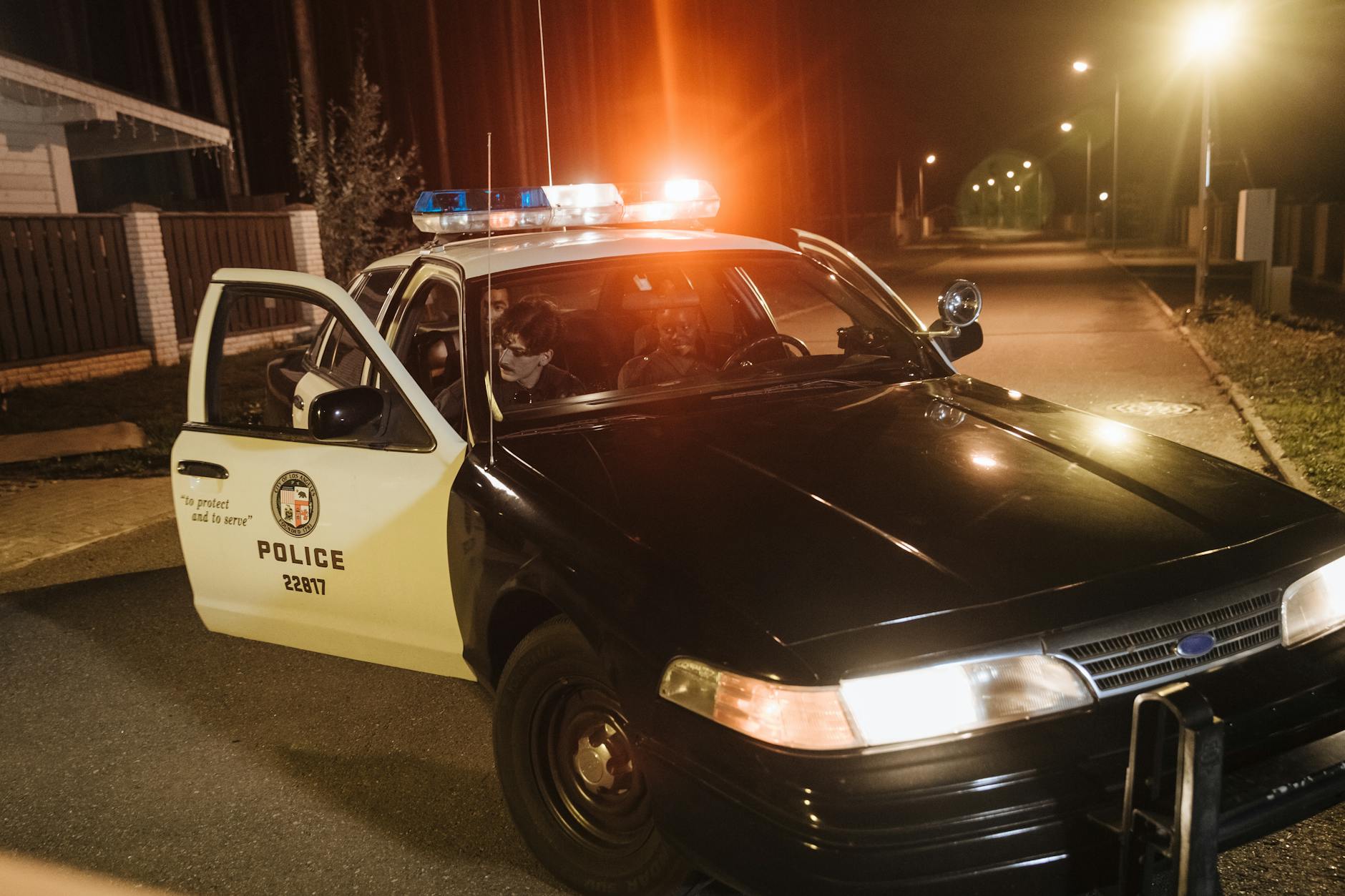
Sluti’s parents reported her missing that night when she failed to return home. Her car, a red Pontiac Grand Am, was also gone. Kearney police issued an alert and canvassed the area for leads. The abduction occurred in a public space during early evening hours, and investigators quickly classified it as a kidnapping.
Who Tony Zappa was
Tony Zappa had driven from California to Nebraska with no clear connection to the region or to Sluti. Investigators later determined that the abduction was opportunistic rather than a targeted act. Zappa had a criminal history, though the specifics were not immediately known to Nebraska authorities at the time.
His decision to travel across state lines with a captive made the case federal, involving the FBI and multiple state agencies.
The route across state lines
After leaving Nebraska, Zappa drove Sluti west through Colorado and into Utah. During the six days she was held, Sluti was forced to remain in the car or in motels where Zappa stopped. She was threatened repeatedly and had limited opportunity to escape or alert others.
Investigators tracked the timeline using gas station receipts, motel records, and witness sightings. Zappa used Sluti’s vehicle for the duration, which allowed authorities to issue lookout notices based on the car’s description and license plate. The extended travel across multiple states complicated jurisdiction but expanded the number of agencies involved in the search.
The break at the gas station
On April 30, 2001, Zappa stopped at a gas station in Bloomington, Utah. Sluti accompanied him inside, and the clerk, Anita Montierth, noticed that Sluti appeared distressed. Montierth observed Sluti mouthing the word “help” and making gestures that indicated she was in danger.
Montierth contacted local authorities immediately after Zappa and Sluti left the station. She provided a description of the vehicle and the direction it was headed. Her report was relayed to Utah Highway Patrol and matched an active missing person and kidnapping alert that had been circulated regionally.
The observation by Montierth became the pivotal moment in the case. Her willingness to act on what she saw directly led to law enforcement locating the vehicle within hours.
The standoff and rescue
Utah Highway Patrol officers located the Pontiac on Interstate 15 later that day. Officers attempted to pull the vehicle over, but Zappa refused to stop. A pursuit ensued, and Zappa eventually drove into a field near the town of Richfield, Utah, where the vehicle became stuck.
Zappa barricaded himself inside the car with Sluti and refused to surrender. A standoff developed, with law enforcement surrounding the vehicle and negotiators attempting to establish communication. The standoff lasted several hours. Zappa held a knife and made threats, but officers maintained containment and worked to de-escalate the situation.
Tactical officers intervened and forced entry into the vehicle. Sluti was pulled to safety, and Zappa was taken into custody without further injury to either party. She was evaluated by medical personnel and later reunited with her family.
The charges and prosecution
Tony Zappa was charged with kidnapping, aggravated assault, and other felonies in both state and federal court. The case involved multiple jurisdictions due to the interstate nature of the crime, and federal prosecutors took the lead on the kidnapping charge under the Lindbergh Law, which makes it a federal offense to transport a kidnapping victim across state lines.
Zappa was convicted in federal court and sentenced to life in prison without the possibility of parole. The sentence reflected the severity of the crime, the duration of the abduction, and the threat posed to Sluti throughout. He did not contest the basic facts of the case during trial.
What the case revealed about witness involvement
The Anne Sluti case became a reference point in law enforcement training and public awareness efforts related to recognizing signs of abduction or distress in public settings. Anita Montierth’s decision to act on what she observed was credited with saving Sluti’s life.
Investigators emphasized that Montierth’s quick report allowed law enforcement to locate the vehicle while it was still in motion and before Zappa could take further action. The case underscored the importance of public vigilance and the role that bystanders can play in active investigations.
Sluti later spoke publicly about her experience and credited Montierth with her rescue. The two met in person after the case concluded, and Sluti emphasized the significance of Montierth’s willingness to trust her instincts and contact authorities.
Outcome and aftermath
Anne Sluti recovered from the abduction and went on to complete her education. She became an advocate for awareness around abduction cases and for recognizing warning signs in public encounters. Her case was covered in media outlets and featured in true crime programming focused on kidnapping cases with successful rescues.
Tony Zappa remains incarcerated in federal prison. There have been no successful appeals or modifications to his sentence. The case is considered resolved, with no outstanding investigative questions related to the abduction itself.
The Kearney Police Department and the FBI highlighted the case as an example of effective multi-agency collaboration and the critical role of timely witness reporting. The resolution depended on coordination across Nebraska, Colorado, and Utah law enforcement, as well as federal resources that allowed for rapid information sharing.
Where to look next
- Documentary: “I Survived” (A&E)
- Book: “Hunting Humans: The Rise of the Modern Multiple Murderer” by Elliott Leyton
- Podcast: “Casefile True Crime” (Casefile Presents)