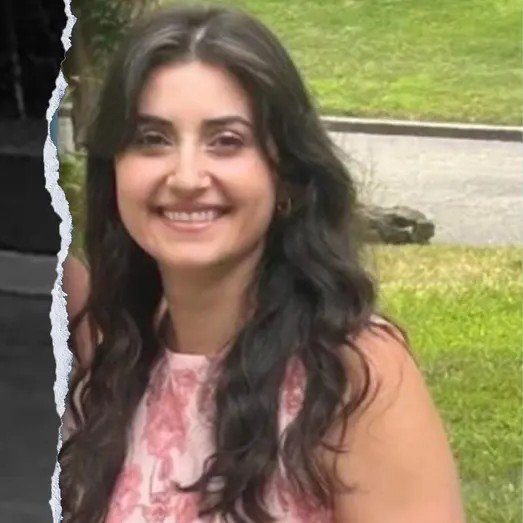


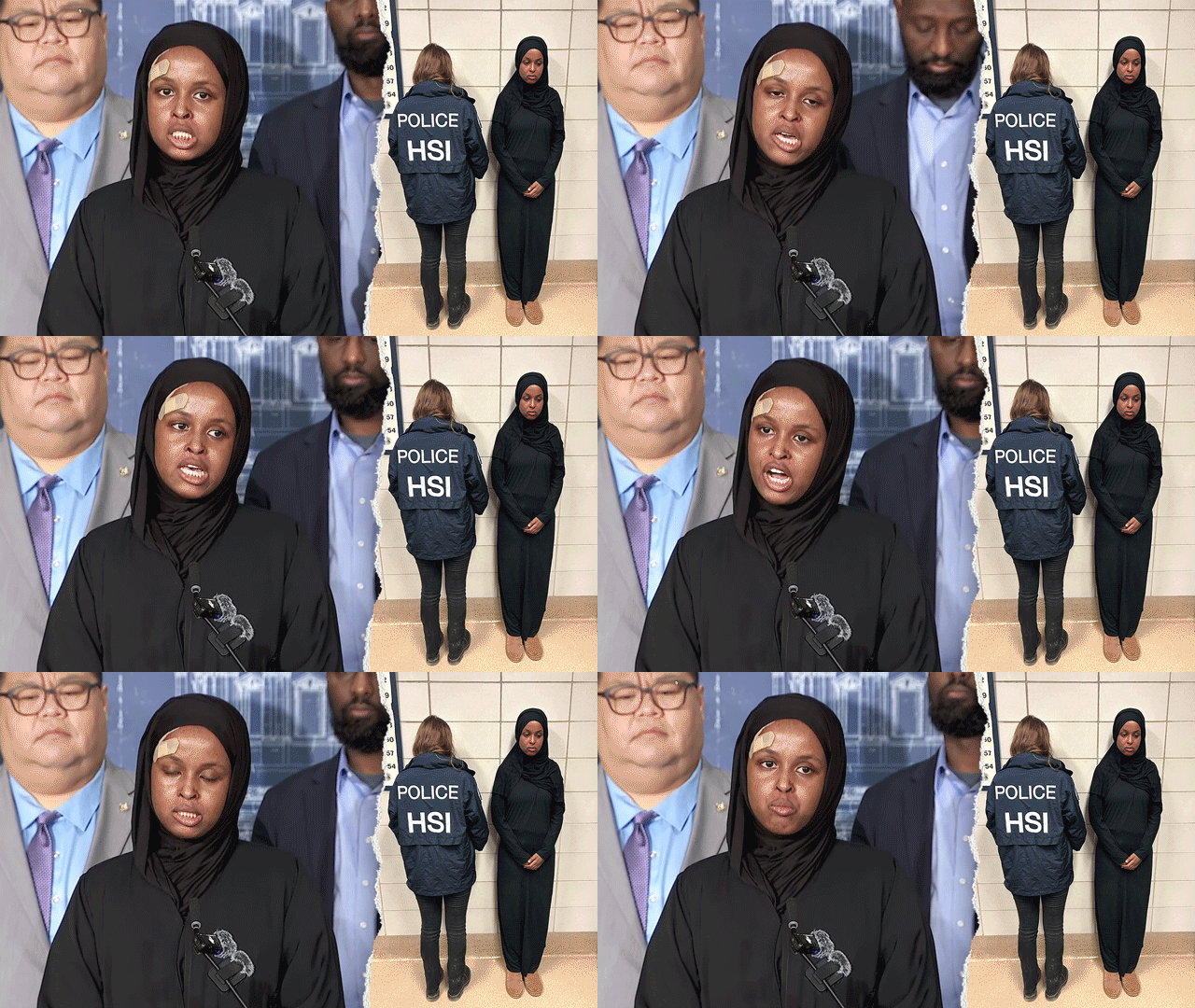
A metaphor about eating bananas with rice briefly turned a young Somali American into a symbol of cultural hybridity. Soon after, according to federal authorities and local reporting, her name surfaced again in a very different context.
From Viral Soundbite to Federal Spotlight
In reporting by Fox News, 23-year-old Minnesota resident Nasra Ahmed is identified as one of 16 people arrested in Minneapolis during recent confrontations involving federal immigration enforcement operations. The outlet notes that Ahmed had attracted national attention days earlier when a clip from a January news conference circulated widely on social media.
In that clip, she tried to capture what it feels like to grow up as a Somali American in Minnesota, home to one of the largest Somali diaspora communities in the United States. According to a 2016 analysis by the Pew Research Center, Minnesota has been a primary destination for Somali immigrants for decades, helped by existing community ties and resettlement networks, and it remains a focal point of Somali American life today.
Ahmed described that layered identity in terms that resonated far beyond that community. “It is kind of like bananas and rice,” she said at the news conference. “People do not think you can eat bananas with rice, but that is what it is like to be Somali and American.”
That remark was shared thousands of times and discussed as an example of how younger Somali Americans explain belonging in two cultures at once. Within days, though, Fox News reported that Ahmed had been taken into custody during protests tied to federal immigration enforcement in Minneapolis. As of my latest available training data, that specific account appears only in the Fox News article provided by the reader. I am unable to independently verify the arrest or locate a public court docket connected to Ahmed that matches the description.
The Federal Charges Described
According to the Fox News report, former Florida Attorney General Pam Bondi, identified in the story as serving as a federal official in Minneapolis, announced that 16 people had been arrested on federal allegations of assaulting or impeding officers during recent unrest. Bondi is quoted as saying, “I am on the ground in Minneapolis today,” and she wrote on X that federal agents had arrested “Minnesota rioters for allegedly assaulting federal law enforcement.”
The article states that those arrested were charged under a federal statute that criminalizes assaulting, resisting, or impeding certain federal officers or employees who are performing official duties. That law, codified at 18 U.S.C. section 111, covers a wide range of conduct, from simple physical interference to violent assaults, and allows for higher penalties when a weapon is involved or an officer is injured. The legal text and penalty structure are publicly available through the Cornell Law School Legal Information Institute.
Fox News reports that Bondi released the names and booking photographs of all 16 people she said were charged under that provision, and that list included Ahmed. Publishing full names and images before any conviction is common in federal press releases, but official practice varies by jurisdiction and office.
At the time of writing, I have not located an accompanying press release in the publicly searchable sections of the Justice Department press office site at https://www.justice.gov/opa. Without that, or accessible federal court records from Minnesota that match the description, key details about the exact charges, evidence, and procedural status of the case remain unconfirmed outside the Fox News account.
Protests After 2 Fatal Enforcement Encounters
The Fox article situates the arrests within a series of tense encounters between residents and federal immigration authorities in Minneapolis. It links the latest unrest to the fatal shooting of 37-year-old American citizen Alex Pretti, who the outlet reports was killed by Border Patrol agents during immigration enforcement activity in the city in late January.
According to Fox News, video and witness statements suggest that Pretti, described as an intensive care unit nurse, appeared to be trying to help a woman whom agents had knocked to the ground. The story reports that he was sprayed with an irritant and pushed down, and that an agent removed a lawfully owned firearm from his waistband before other agents fired multiple shots that killed him.
Those details are serious and specific. They would ordinarily be documented in investigative files, internal shooting reviews, and, in many jurisdictions, in state-level inquiries into the use of deadly force. Without access to those materials or independent video, I cannot confirm the precise sequence of events, the positions of the people involved, or whether any of the witnesses cited by Fox News have also given statements to other outlets or investigators.
Fox News further notes that this was the second fatal incident involving federal agents in Minneapolis that month. The story references the earlier killing of Renee Nicole Good during an encounter involving Immigration and Customs Enforcement. Again, the article does not link to a publicly viewable investigative file or court record, and I am not able to locate additional independent reporting about a person with that name under those circumstances before my October 2024 knowledge cutoff.
Justice Department officials are quoted in the Fox piece as saying that protecting federal agents has become a priority in light of confrontations during protests and enforcement actions. That focus is consistent with broader Justice Department messaging in recent years, including in 2020 when prosecutors used federal statutes, including 18 U.S.C. section 111, to charge some people arrested at protests in Portland and other cities. Those moves were described in contemporaneous Justice Department press releases and in coverage by outlets such as the Associated Press and local newspapers.
What We Know, What We Do Not
To sort out the allegation from the confirmation in this case, it helps to separate the different kinds of information in the public record.
Confirmed in public records:
Item 1: The language of 18 U.S.C. section 111, which defines federal crimes involving assaulting, resisting, or impeding certain officers, and outlines penalties that can include years in prison.
Item 2: The long-standing presence of a sizeable Somali American community in Minnesota, documented in census data and analysis by organizations such as the Pew Research Center.
Reported by Fox News, not yet independently corroborated in accessible federal records or additional media reports:
Item 3: The claim that 16 people in Minneapolis, including Nasra Ahmed, have been arrested on federal charges connected to protests or unrest related to immigration enforcement operations.
Item 4: The assertion that federal officials released names and photographs of those accused and that Ahmed appears among them.
Item 5: Descriptions of the sequence of events surrounding the fatal shootings of Alex Pretti and Renee Nicole Good, including the alleged actions of agents and bystanders.
Unknown from currently available open sources:
Item 6: The specific evidence investigators say supports each arrest, including any video, body-worn camera footage, radio traffic, or officer reports.
Item 7: Whether any of the 16 people named, including Ahmed, have been formally indicted by a federal grand jury, have entered pleas, or have had charges reduced or dismissed.
Item 8: How investigators and prosecutors have assessed witness statements and any conflicting accounts of the protest events and the shootings that preceded them.
The Broader Stakes of a Single Name
The particular tension in this story lies in how one person’s public image can shift in a matter of days. In the Fox News account, Ahmed moves from a widely shared emblem of Somali American identity to a defendant on a federal arrest list tied to confrontations with federal agents. The same quote about “bananas and rice” that brought attention to her perspective is now appearing next to allegations of criminal conduct she has not had a public chance to address in detail.
That pattern is not unique to this case. In past protest-related prosecutions, people who first came to public notice through viral clips or activist speeches later faced criminal charges that carried potential prison time. Justice Department press releases from 2020 and 2021 document several such cases, and follow-up coverage has shown that outcomes vary widely, from dismissals to plea deals to felony convictions.
Without verified charging documents, court transcripts, or additional on-the-record statements from defense lawyers, Ahmed herself, or federal officials, this case remains difficult to fully assess. It sits at the point where viral attention, community protest, and federal power intersect, but many of the most important records are either not public or, at least for now, not easily accessible.
For readers and residents trying to understand what really happened on the streets of Minneapolis and in the moments before two reported fatal shootings, the unresolved pieces here are not small details. They include who moved first, who used force, what warnings were given, and what evidence prosecutors believe will persuade a jury. Until more of that material is available, the story of how a “bananas and rice” metaphor ended up sharing space with a federal case file will remain open and contested.