

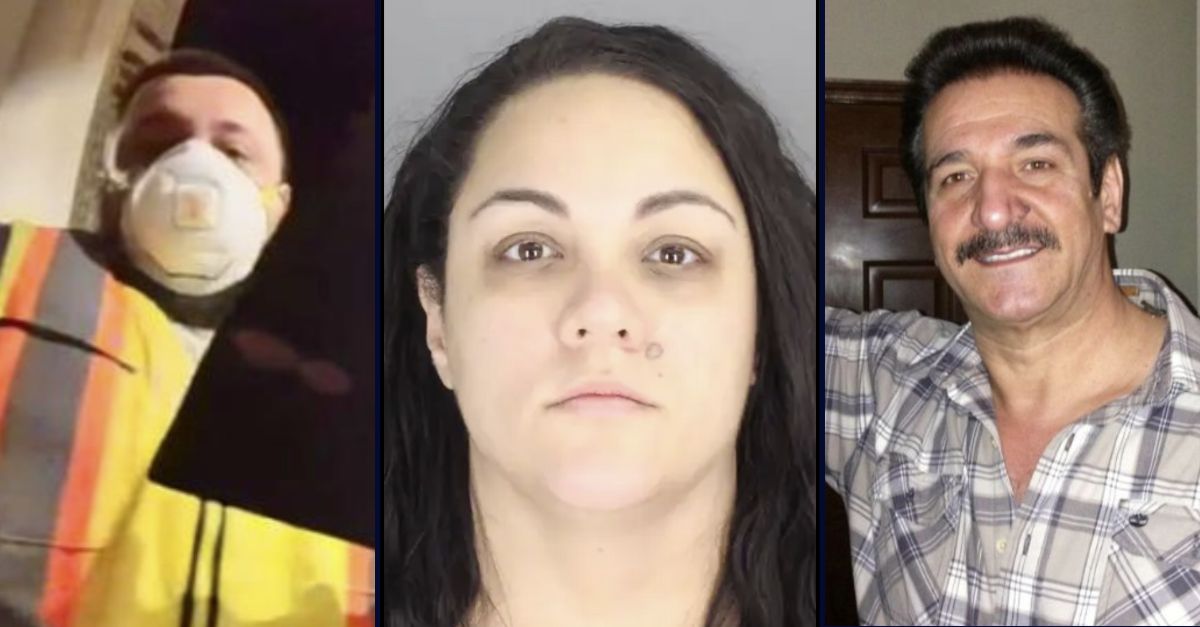
Nearly 100 text messages about money, phones, and a “nice backyard” now sit at the center of a Michigan homicide case. The woman who sent them was not inside the Rochester Hills home when a 72-year-old jeweler was killed, but prosecutors say she helped set the plot in motion.
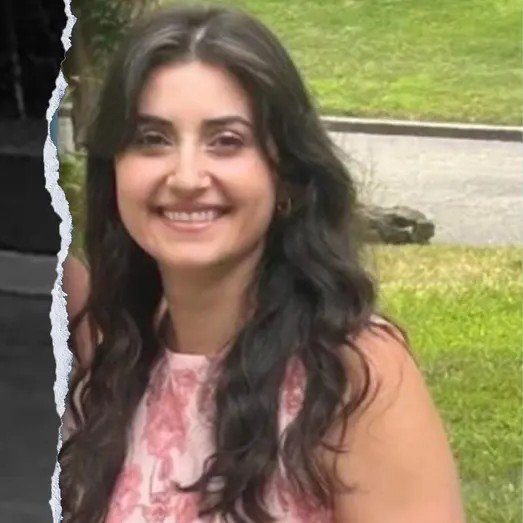
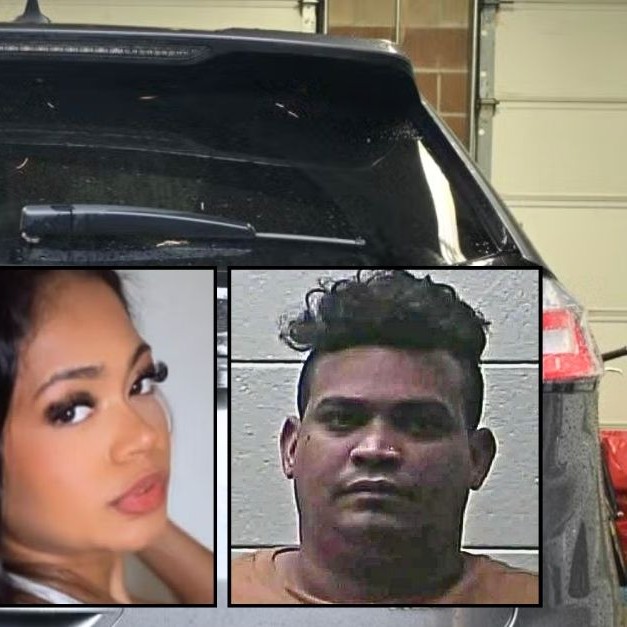
Oakland County prosecutors have charged 34-year-old Amanda Ileana Hernandez in connection with an October 2024 home invasion that ended in the death of Hussein “Sam” Murray, a longtime jeweler and grandfather in suburban Detroit. Her husband, 39-year-old Carlos Hernandez, and 40-year-old Joshua Zuazo have already been convicted of murdering Murray and his wife and were sentenced to life in prison in December 2025, according to Law&Crime reporting.
A Fatal Visit From Supposed Gas Workers
According to prior coverage from Law&Crime and local NBC affiliate WDIV, investigators say Carlos Hernandez and Zuazo targeted the Murray home in Rochester Hills, an affluent community north of Detroit. The men allegedly believed Murray, who owned a jewelry business, kept valuables in the house.
Prosecutors said the pair posed as employees of DTE Energy, the local gas and electric utility, to get inside the residence. After one failed attempt, they returned on Oct. 11, 2024, and wore fake DTE badges, according to testimony summarized by Law&Crime.
Murray is reported to have let the men into the basement to check what they claimed was a gas issue. There, prosecutors said, he was tied up and beaten to death. His wife, who was upstairs at the time, was also bound. She managed to call for help, but emergency responders could not save her husband’s life, according to the same coverage.
At trial in October 2025, an Oakland County jury found both Carlos Hernandez and Zuazo guilty of multiple charges related to the killings and the robbery. They received life sentences without parole, court outcomes reported by Law&Crime show.
The Texts Prosecutors Say Reveal a Conspiracy
During that trial, prosecutors did not focus only on the two men who went to the Murray home. They also introduced extensive text messages between Carlos and Amanda Hernandez that they said helped illuminate how the crime was planned.
According to exhibits described by Law&Crime and WDIV, the Hernandezes exchanged nearly 100 messages in the day before Murray was killed. In those texts, prosecutors say, the couple discussed logistics and what they hoped to gain.
Among the alleged messages was a confirmation from Amanda Hernandez that the fake DTE badges “were delivered.” In another, she reminded her husband to “[t]urn your phone off when you’re out there just in case.” Prosecutors said she also expressed relief that the men had “a good getaway car” and told her husband to make sure “there was no cameras around.”
The discussions, according to those same reports, were not limited to risk management. The couple allegedly talked about how the anticipated money would change their own lives. They referenced the idea of getting “enough money to buy a house,” and Amanda Hernandez allegedly wrote that she wanted a home with “no rent,” adding, “we can have a nice backyard.”
Oakland County prosecutors have characterized the robbery as a planned “big score” and now argue that these messages show the planning was not limited to the two men who entered the house, according to Law&Crime.
New Charges for the Wife
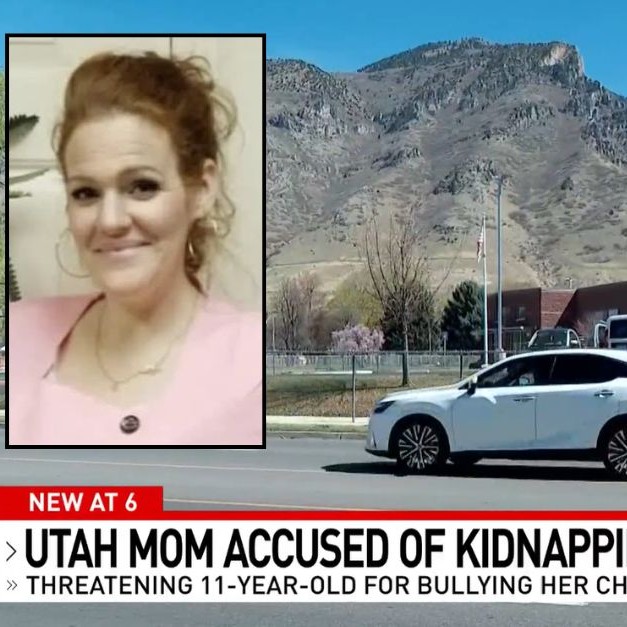
After the convictions of Carlos Hernandez and Zuazo, attention turned to whether anyone else would face charges. In late January 2026, Oakland County authorities arrested Amanda Hernandez and booked her into the county jail, according to WDIV’s report on her first appearance.
Prosecutors have charged her with three counts, court information cited by Law&Crime shows:
Count 1: Conspiracy to commit first-degree home invasion.
Count 2: Accessory after the fact.
Count 3: Conspiracy to commit false impersonation of a utility worker.
At her initial court hearing, a judge set bond at 100,000 dollars. She was ordered to return to court on Feb. 9 for her next appearance, according to WDIV.
Public reporting from both outlets does not indicate that Hernandez entered a plea at that first appearance or that her attorney offered a detailed public response to the allegations. As with any person charged with a crime, she is presumed innocent unless and until prosecutors prove the charges beyond a reasonable doubt in court.
What Prosecutors Still Need to Prove
The most serious charge against Amanda Hernandez is conspiracy to commit first-degree home invasion. Under Michigan law, a conspiracy charge typically requires proof that two or more people agreed to commit a specific crime and that at least one of them took action toward that goal. The underlying crime of first-degree home invasion involves breaking and entering a dwelling with intent to commit a felony, larceny, or assault inside, while a person is present or lawfully inside.
By filing a conspiracy count, Oakland County prosecutors are signaling that they believe the text exchanges and related evidence show an agreement involving more than just the two men who physically went to the Murray home. The messages described in court and in news reports appear to touch on several elements that matter in a conspiracy case: timing, tools such as the fake utility badges, advice on avoiding detection, and anticipated financial benefit.
The accessory-after-the-fact charge points to a different phase of the crime. That offense generally applies when someone, with knowledge that a felony has been committed, assists the person who committed it in order to hinder their arrest, trial, or punishment. The public reporting cited so far does not detail the specific acts prosecutors say support this count, beyond the text messages around planning and the allegation that she was involved in the broader scheme.
Finally, the conspiracy to commit false impersonation of a utility worker focuses on the ruse used to enter the home. Both Law&Crime and WDIV report that the fake DTE badges played a role in the plans and that Amanda Hernandez allegedly confirmed when those badges arrived. If those allegations are borne out in court, they may serve as evidence that she helped facilitate the deception used to get into the house.
None of this evidence has yet been tested in a trial focused solely on her conduct. The texts entered into evidence during the earlier murder trial for Carlos Hernandez and Zuazo were presented in a different posture and with those defendants, not Amanda Hernandez, in the dock.
Unanswered Questions as the Case Moves Forward
The current public record leaves several aspects of Amanda Hernandez’s case unresolved. The available reporting does not specify whether she will seek to challenge the admissibility of the text messages, whether she will contest the idea that the conversations amounted to a criminal agreement, or whether she will argue that she did not understand what her husband and Zuazo intended to do.
It is also not yet clear whether prosecutors will offer any plea agreement or whether the case will proceed to a full jury trial. For now, what is documented are the convictions and life sentences of the two men who entered the Murray home, the violent deaths of an older couple in their own house, and a series of written messages in which another person talked about fake badges, turning off phones, and the possibility of “no rent” and “a nice backyard.”
How a judge and, potentially, a jury interpret those messages in the context of Michigan’s conspiracy laws will determine whether the state can extend criminal responsibility beyond the two people who crossed the Murray family’s threshold.