Case overview
Bob Crane, the star of “Hogan’s Heroes,” was found beaten to death in his Scottsdale apartment on June 29, 1978. The investigation centered on his friendship with John Henry Carpenter, a video equipment salesman who had been with Crane the night before. Carpenter was charged in 1992, tried in 1994, and acquitted after prosecutors failed to conclusively link him to biological evidence found at the scene.
The final evening
On June 28, 1978, Crane performed in the dinner theater production of “Beginner’s Luck” at the Windmill Dinner Theatre in Scottsdale. After the show, he met John Henry Carpenter at a local bar. The two had maintained a friendship built around Crane’s interest in video recording technology and frequent social outings. Witnesses placed them together at Safari Coffee Shop around 2:00 a.m. on June 29. Carpenter told investigators he dropped Crane off at his apartment at the Winfield Place complex around 2:30 a.m. and drove back to his home in Fountain Hills.
Crane’s co-star Victoria Berry discovered his body shortly before 2:00 p.m. when he failed to show up for a lunch appointment and did not answer his phone. She entered the apartment using a key provided by the building manager. Crane was found face down in his bed with a ligature around his neck and severe blunt force trauma to the left side of his head.
The crime scene
Scottsdale police detectives documented extensive blood spatter on the bed, headboard, and wall. The medical examiner determined Crane had been struck repeatedly with a heavy object, likely while he slept. A tripod was found near the body, and investigators theorized it could have been used as the murder weapon, though no definitive match was made. An electrical cord from a video camera was tied around Crane’s neck, but strangulation was not the cause of death.
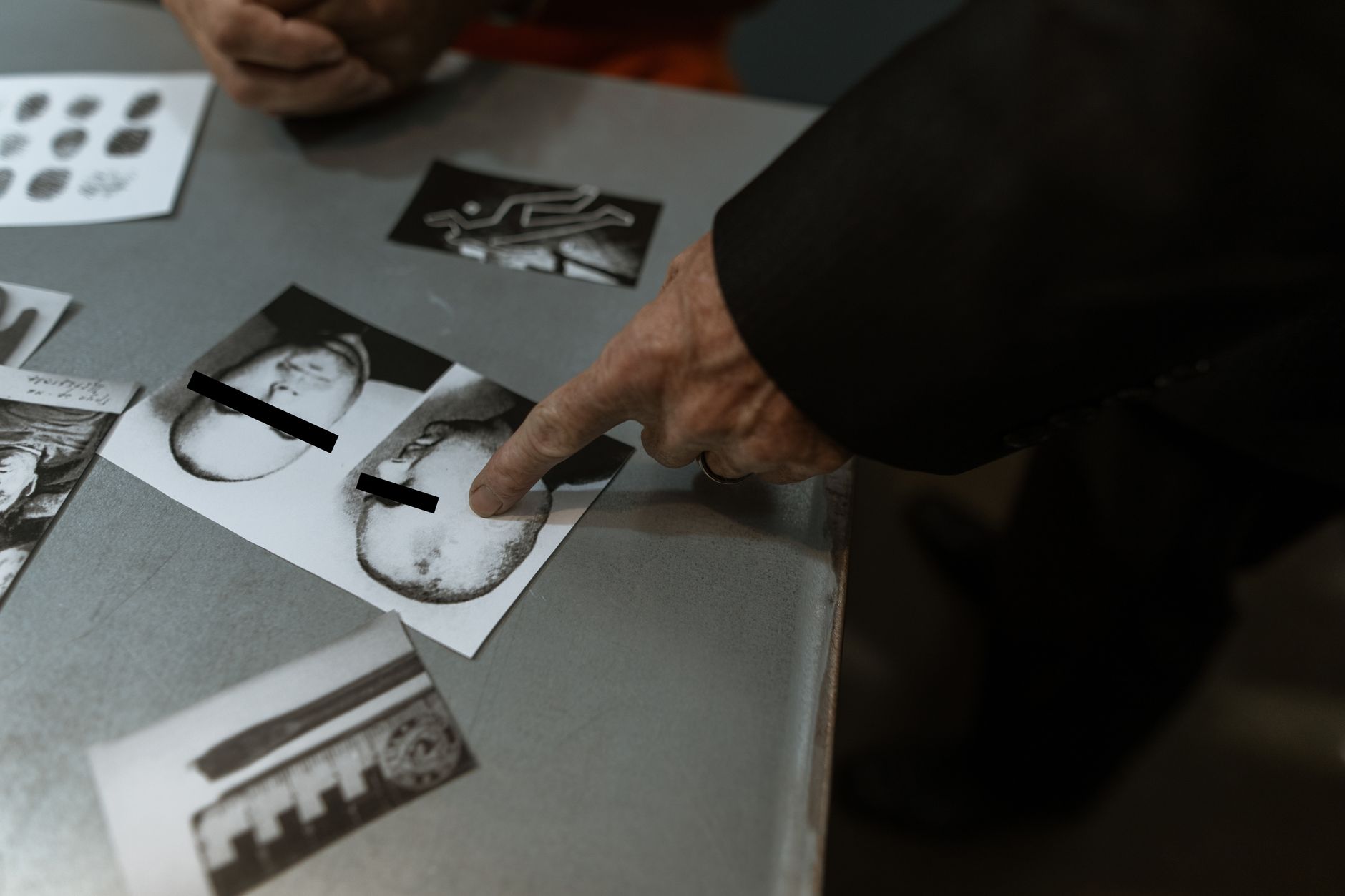
Crime scene photographs captured a small spot of biological tissue on the interior passenger door of Crane’s rental car, parked outside the apartment. Detectives collected blood samples from the vehicle and apartment but acknowledged the evidence was not initially processed with the forensic rigor that would become standard in later decades.
The investigation
Detectives focused on John Carpenter, whose relationship with Crane had reportedly deteriorated in the days before the murder. Crane’s son, Robert Crane Jr., told investigators his father had mentioned wanting to distance himself from Carpenter, describing him as too dependent on their friendship. Cast members from the dinner theater production said Crane seemed uncomfortable with Carpenter’s presence during the show’s run.
Carpenter voluntarily submitted to multiple interviews with police. He maintained he had no involvement in the murder and had gone straight home after dropping Crane off. Detectives noted inconsistencies in his timeline and demeanor but lacked physical evidence tying him to the crime scene. A polygraph test administered to Carpenter returned inconclusive results.
Investigators searched Carpenter’s vehicle and found what they believed could be blood evidence, but initial testing did not provide definitive results. The case stalled. Scottsdale police pursued other leads, including individuals connected to Crane’s well-documented personal life and interest in adult photography, but no additional suspects emerged with credible motive or opportunity.
The reopened case
In 1990, the Scottsdale Police Department reopened the murder of Bob Crane with the assistance of the Maricopa County Attorney’s Office. Advances in forensic technology allowed investigators to reexamine biological evidence collected from the crime scene and Carpenter’s vehicle. A forensic specialist identified what appeared to be human brain tissue on the interior passenger door of Carpenter’s car, a detail that had not been conclusively established during the original investigation.
Prosecutors theorized the tissue transfer occurred when Carpenter entered his vehicle after committing the murder. Defense experts challenged the identification of the material, arguing the sample was too degraded to determine its origin with certainty. Questions arose about the chain of custody for the evidence and whether contamination could have occurred during years of storage.
On June 1, 1992, John Henry Carpenter was arrested in Washington state and charged with first-degree murder. He was extradited to Arizona to stand trial.
The trial
The trial began in October 1994 in Maricopa County Superior Court. The prosecution’s case relied on circumstantial evidence, including the tissue sample, witness testimony about Crane’s intent to end the friendship, and the absence of forced entry at the crime scene, which suggested the killer was someone Crane knew and trusted. Prosecutors argued Carpenter had motive, opportunity, and access.
The defense countered that the biological evidence was unreliable and that the prosecution had not accounted for other individuals who had access to Crane’s apartment or reasons to harm him. Defense attorneys pointed to the chaotic nature of the crime scene and suggested the killing could have been connected to Crane’s lifestyle rather than a calculated act by a spurned acquaintance.
Carpenter did not testify. His legal team focused on dismantling the forensic evidence and highlighting the lengthy gap between the murder and the charges, arguing that witness memories had faded and physical evidence had been compromised. On November 1, 1994, the jury returned a not guilty verdict after several hours of deliberation. Carpenter walked free and never faced charges again.
What remains unresolved
The acquittal left the murder of Bob Crane officially unsolved. Carpenter maintained his innocence until his death in 1998. Investigators never identified another viable suspect, and the case remains open in Scottsdale police records. Theories about alternative perpetrators have circulated, but none have been substantiated with credible evidence or investigative leads.
The case has been analyzed extensively in true crime literature and documentary projects, with particular focus on the forensic limitations of the original investigation and the legal challenges of prosecuting a cold case. Crane’s family has expressed frustration with the outcome, noting that the passage of time and the handling of evidence in the late 1970s may have prevented a conclusive resolution.
The murder of Bob Crane remains a study in the difficulties of prosecuting cases built on circumstantial and aging physical evidence. The question of who killed Crane, and why, continues to generate debate among those familiar with the record.
Where to look next
- Documentary: “Auto Focus: The Murder of Bob Crane” (Investigation Discovery)
- Book: “The Murder of Bob Crane” by Robert Graysmith
- Book: “Auto Focus: The Life and Death of Bob Crane” by Greg Shepard and Robert Graysmith
- Podcast: “Who Killed Bob Crane?” (“Hollywood & Crime”, Wondery)