


Case overview
Between 1935 and 1938, at least 12 people were killed and dismembered in Cleveland, Ohio, their bodies discovered in pieces across the city’s industrial zones and along the shores of the Cuyahoga River. Despite a high-profile investigation led by safety director Eliot Ness, no one was ever charged, and the case remains one of the most studied unsolved serial murder investigations in American criminal history.
The pattern emerges
The first known victim was discovered on September 5, 1934, when the lower half of a woman’s torso washed ashore on Euclid Beach along Lake Erie. The upper torso was found weeks later. Investigators initially treated it as an isolated incident, but within a year, a pattern began to take shape.
On September 23, 1935, two decapitated bodies were found in Kingsbury Run, a ravine that ran through Cleveland’s east side and served as a hobo camp and rail corridor. Both victims had been dismembered with precision. One was identified as Edward Andrassy, a local man with a criminal record. The other remains unidentified.
By January 1936, another partial torso and dismembered remains were recovered from the same area. In June, two more victims were found near Kingsbury Run. The bodies were headless, drained of blood, and cleanly cut at the joints. Investigators noted that the dismemberment appeared methodical and suggested familiarity with anatomy or butchering.
Geographic concentration and victim profile
Most victims were found in or near Kingsbury Run, though later discoveries extended the geographic range. Bodies were also located near the West Side Market, in the Cuyahoga River, and along the lakefront. The majority of victims were transient men, though at least three women were also killed.
Only three victims were ever identified. Beyond Andrassy, authorities identified Flo Polillo, a barmaid and part-time sex worker whose remains were found in January 1936, and Rose Wallace, whose torso was discovered in 1936. The remaining nine victims remain unidentified, complicating efforts to establish connections or motives.
Forensic analysis suggested that victims were killed elsewhere and transported to dump sites. Many had been decapitated while alive or shortly after death. Investigators also noted that some bodies showed signs of chemical preservation, though this detail was inconsistent across victims.
Eliot Ness and the official response
In 1935, Eliot Ness was appointed Cleveland’s safety director. Known for his role in taking down Al Capone, Ness led efforts to modernize the police force and improve investigative coordination. The Cleveland Torso Murders became one of his most visible cases and one of his most frustrating.
Ness organized raids on the Kingsbury Run shantytown in August 1938, burning makeshift shelters in an effort to clear the area and reduce the killer’s access to vulnerable victims. The raids were controversial and widely criticized. No new victims were discovered in Cleveland after the raids, though whether this was due to police pressure, the killer’s death, or relocation remains unknown.
Ness and detectives pursued thousands of leads and interviewed numerous suspects, including doctors, butchers, and residents with access to the dump sites. Despite the scope of the investigation, no arrests were made.
Focus on Frank Dolezal and other suspects
In July 1939, Cleveland police arrested Frank Dolezal, a bricklayer who had known victim Flo Polillo. Dolezal initially confessed to killing Polillo, though he later recanted. He was held in custody while investigators sought to link him to other victims.
On August 24, 1939, Dolezal was found hanged in his jail cell. His death was ruled a suicide, but questions about the circumstances persisted. No physical evidence connected him to the other murders, and many investigators doubted his involvement beyond the initial confession, which appeared coerced.
Eliot Ness privately considered Francis Sweeney, a doctor with medical training and a history of mental health issues, as a strong suspect. Sweeney had been questioned and reportedly failed multiple polygraph exams administered by Leonarde Keeler, a pioneer in polygraph technology. Ness never formally charged Sweeney, and no direct evidence tied him to the killings. Sweeney voluntarily committed himself to a veterans hospital and remained institutionalized for much of his later life.
Other theories pointed to transient killers, organized crime involvement, or multiple offenders operating independently. None were substantiated by the available evidence.
Possible linked cases outside Cleveland
Some researchers have noted similarities between the Cleveland Torso Murders and other unsolved dismemberment cases in Pennsylvania and Ohio during the same period. In 1923 and 1924, dismembered remains were found in New Castle, Pennsylvania, approximately 60 miles from Cleveland. In 1940, three decapitated bodies were discovered in railroad cars near Pittsburgh and McKees Rocks.
While the methods were similar, no confirmed link has been established. Investigators at the time did not pursue a formal connection, and the cases remain separate in official records.
Investigative tools and limitations
The investigation relied on emerging forensic techniques, including fingerprint analysis, blood typing, and early use of polygraph testing. However, the lack of centralized databases, limited communication between jurisdictions, and the transient nature of many victims made identification and pattern recognition difficult.
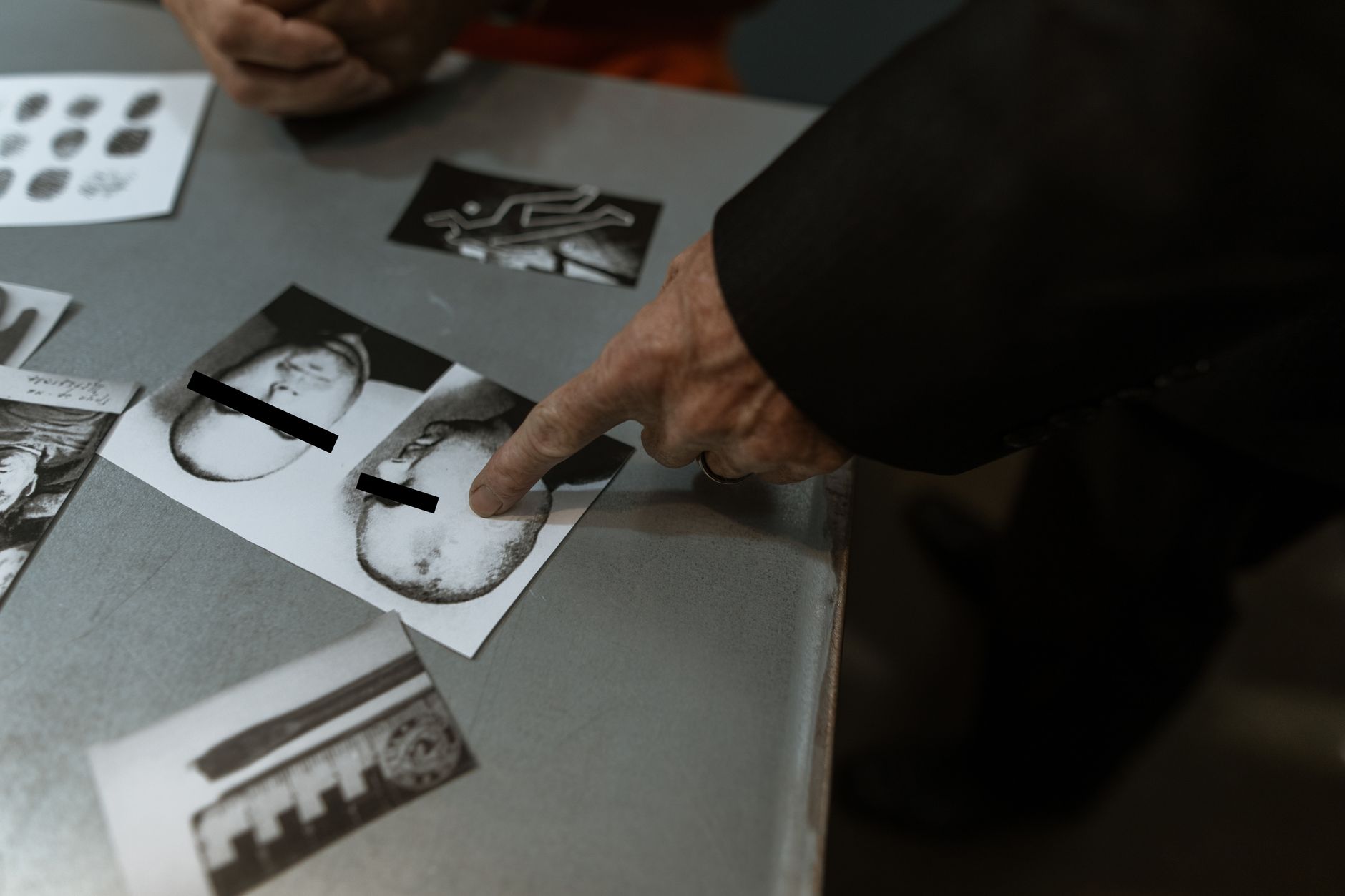
Cleveland police worked with the coroner’s office to catalog remains, photograph scenes, and preserve evidence. Reconstructions of victims’ faces were created and circulated, but few led to identification. The inability to identify most victims remains one of the case’s central obstacles.
Case status and modern analysis
The Cleveland Torso Murders remain officially unresolved. No charges were ever filed, and no conclusive evidence has identified a single offender. Modern cold case units and independent researchers continue to review records and propose theories, but the passage of time, the loss of physical evidence, and the deaths of all original investigators have made new breakthroughs unlikely.
The case has been reexamined using modern criminal profiling and geographic analysis. Some investigators believe the precision of dismemberment, the ability to evade detection, and the choice of victims suggest someone with medical or anatomical knowledge and access to private space. Others emphasize the possibility of multiple offenders or opportunistic killings unrelated by motive.
Advancements in DNA analysis have not been applied to the Cleveland Torso Murders in any meaningful way, largely because most remains were buried or cremated decades ago. Some records and photographs remain archived, but physical evidence is limited.
Where to look next
- Documentary: “The Hunt for the Cleveland Torso Murderer” (Investigation Discovery)
- Book: “In the Wake of the Butcher: Cleveland’s Torso Murders” by James Jessen Badal
- Book: “Torso: The Story of Eliot Ness and the Search for a Psychopathic Killer” by Steven Nickel