


Case overview
For more than a decade, investigators across Europe pursued a serial killer whose DNA appeared at more than 40 crime scenes in three countries. The phantom of Heilbronn, as the suspect became known, was tied to six murders, multiple burglaries, and armed robberies before authorities discovered the killer did not exist—the DNA came from factory workers who packaged the cotton swabs used to collect evidence.
The pattern emerges
In 1993, German police began documenting an unusual DNA profile appearing at crime scenes with no apparent connection. The genetic material, identified as female, surfaced at burglaries in southern Germany. Investigators entered the profile into databases and continued routine casework.
Over the next several years, the same DNA appeared at scenes across Germany, Austria, and France. The crimes varied: home invasions, vehicle thefts, and property crimes with no clear motive or method linking them. Authorities assumed they were tracking a prolific offender moving between jurisdictions.
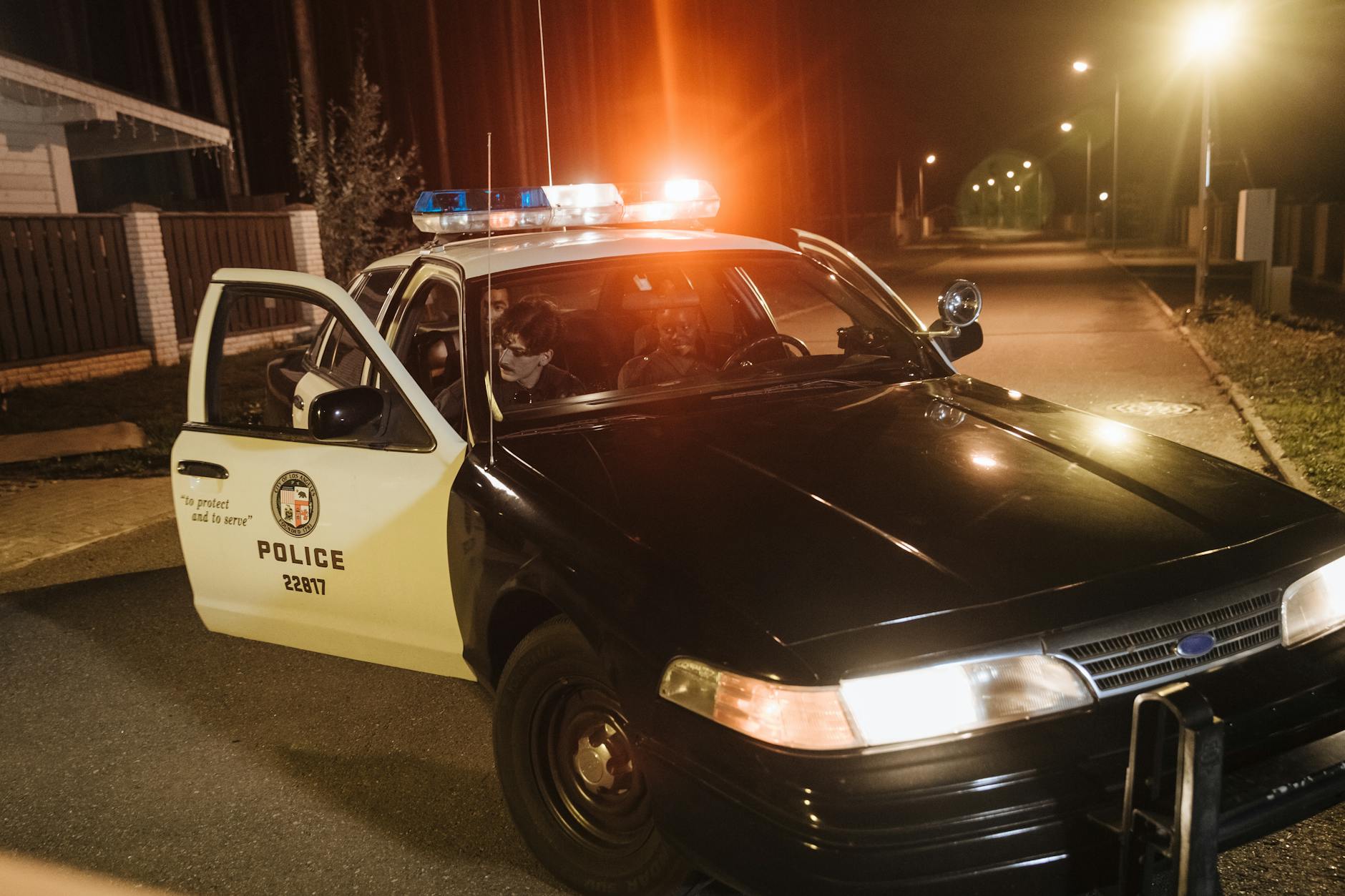
The case shifted in 2007 when the DNA profile appeared at the murder scene of Michèle Kiesewetter, a 22-year-old police officer shot during a lunch break in Heilbronn, Germany. Kiesewetter and her partner, Martin Arnold, were attacked in their patrol car. Arnold survived with serious injuries but could not identify the shooter. Kiesewetter died at the scene.
The DNA found on Kiesewetter’s body matched the profile from dozens of earlier crimes. German authorities escalated the investigation, designating the unknown suspect a serial killer and offering a €300,000 reward.
The profile expands
By 2008, the phantom’s DNA had been linked to more than 40 crime scenes spanning hundreds of miles. The offenses included the 1993 murder of a 61-year-old woman in Idar-Oberstein, Germany, the 2001 death of a 62-year-old man in Freiburg, and armed robberies across multiple German states.
Investigators faced a confounding problem: the crimes had no behavioral consistency. Some scenes involved violence. Others were non-confrontational thefts. The geographic range suggested either a highly mobile offender or multiple individuals, but the DNA appeared definitive.
Media coverage intensified. The case became known as the phantom of Heilbronn, named after the officer’s murder. Composite sketches were distributed. Investigators theorized the suspect might be a woman working with male accomplices or a transgender individual, given the female genetic markers.
Interpol issued alerts. Surveillance operations targeted areas where the DNA had surfaced. Thousands of tips were logged. No viable suspect emerged.
What forensic teams missed
In March 2009, investigators encountered a critical anomaly. The phantom’s DNA appeared on the charred remains of a male asylum seeker who died in a fire in France. The victim had been living in Europe only a short time and had no criminal history. The profile’s presence on his body made no investigative sense.
Around the same time, Austrian authorities detected the same DNA on the body of another male victim with no known connection to any prior cases. The placements were inconsistent with transfer during a crime.
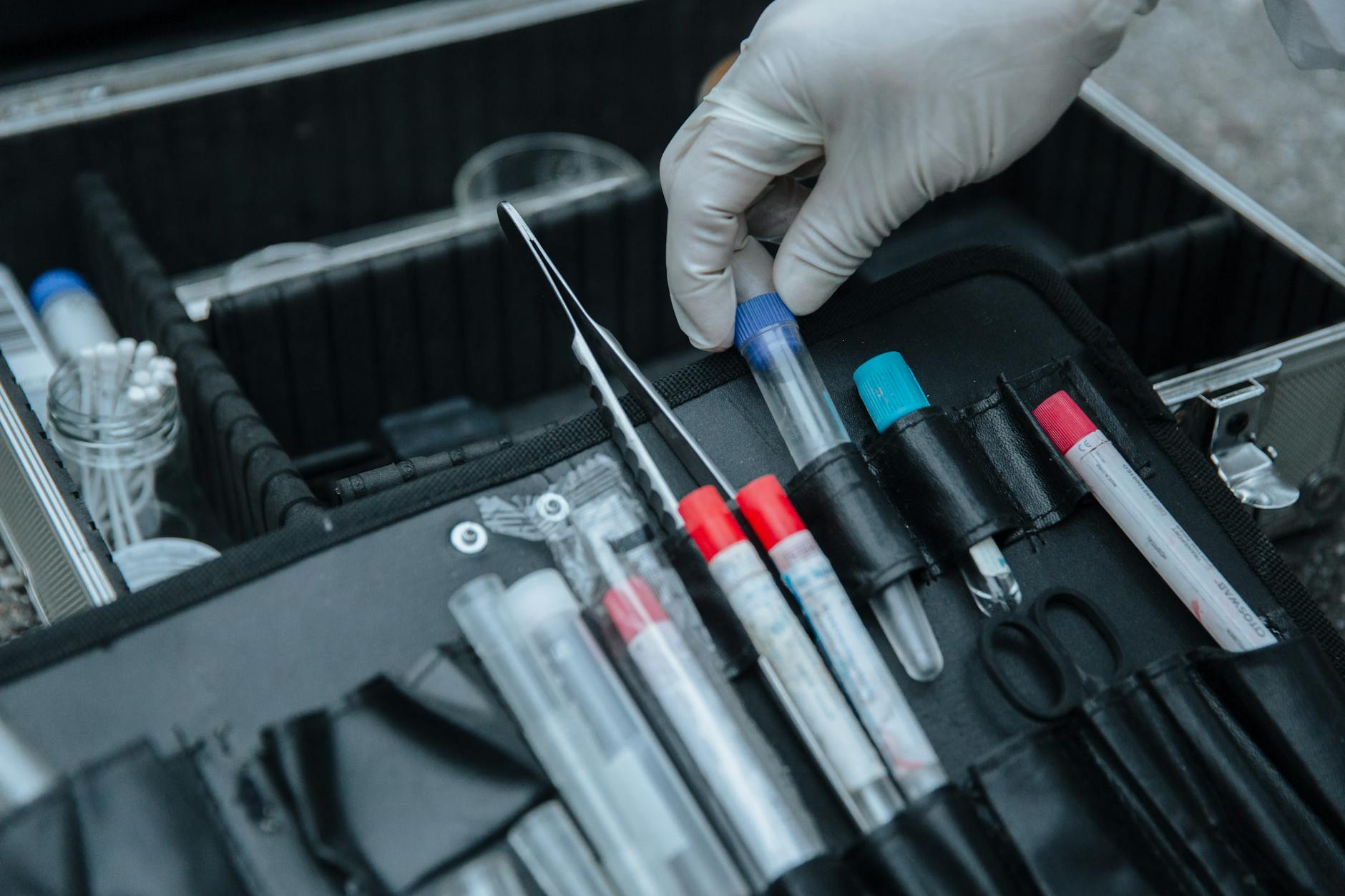
Forensic teams began testing the cotton swabs used to collect DNA samples. They discovered that swabs from the same manufacturer, used by law enforcement agencies across Europe, were contaminated with genetic material before they reached crime scenes. The DNA belonged to women working in packaging facilities in Austria and Germany, where the swabs were assembled without sterilization protocols.
German police confirmed the findings through controlled tests. Unused swabs from the same production batches contained the phantom’s DNA. The profile had never been deposited by a criminal. It was introduced during evidence collection.
Unraveling the cases
Authorities reviewed every case linked to the phantom. Investigators separated crimes where the contaminated DNA was the sole evidence from those with additional forensic material or witness identification. Many cases were closed due to lack of independent corroboration.
The murder of Michèle Kiesewetter remained unresolved. The DNA found on her body was determined to be from contamination, leaving investigators without a genetic lead. Her killing was later connected to members of the National Socialist Underground, a far-right terrorist group responsible for a series of murders across Germany. Two members died in 2011, and a third was convicted in 2018.
Other murders initially attributed to the phantom were re-examined. Some cases were closed without resolution. Others were reclassified as cold cases with no viable forensic evidence.
The contamination exposed systemic gaps in evidence-handling procedures across multiple countries. Sterilization standards for forensic swabs were not uniformly enforced. Chain-of-custody documentation did not account for factory-level contamination.
What changed in forensic protocols
Following the phantom case, European forensic agencies revised their standards for DNA collection tools. Swabs and other evidence-gathering materials were required to be sterilized and individually packaged with lot traceability. Laboratories implemented control testing to detect contamination before processing crime scene samples.
German authorities mandated that all DNA profiles be cross-referenced against profiles of laboratory personnel and factory workers involved in evidence production. Protocols were introduced to distinguish between genetic material relevant to a crime and incidental contamination.
The case became a focal point in forensic science training. It demonstrated how procedural failures could distort investigations, consume resources, and link unrelated crimes into false patterns.
The unresolved remainder
While the phantom was debunked, the crimes originally attributed to the profile remained real. Investigators returned to case files to identify legitimate forensic leads and witness testimony that had been overshadowed by the DNA linkage.
The murder of Michèle Kiesewetter, the case that elevated the phantom to national attention, was eventually attributed to the National Socialist Underground based on weapon forensics and investigative intelligence. The group was responsible for at least 10 murders, multiple bombings, and 15 bank robberies between 2000 and 2007.
Other cases tied to the phantom remain open. Some involve victims whose murders were never solved. Others are property crimes with no remaining evidence. The contamination compromised investigative timelines, and in many instances, alternative forensic evidence had degraded or been discarded.
The phantom of Heilbronn was not a serial offender. It was a procedural failure that shaped criminal investigations across Europe for more than 15 years. The case underscored the risks of over-reliance on forensic evidence without independent corroboration and the necessity of rigorous quality control in evidence production and handling.
Where to look next
- Documentary: “The Phantom Serial Killer” (Investigation Discovery)
- Book: “Forensic DNA Evidence: Science and the Law” by Jamieson and Moenssens
- Podcast: “The Phantom Killer” (“Forensic Tales”)