



Case overview
Between 1997 and 1999, nine people were killed near railroad tracks in Texas, Kentucky, and Illinois in attacks that shared striking similarities in location, method, and victim selection. The investigation into what became known as the Railroad Killer case revealed a pattern of murders committed by Ángel Maturino Reséndiz, a Mexican national who used the rail system to move between victims and evade detection across state lines.
The pattern emerges
The first victim linked to Reséndiz was Jesse Howell, a 19-year-old university student killed in March 1997 near railroad tracks in Ocala, Florida. His girlfriend, Wendy Von Huben, was also killed. Both were bludgeoned with a blunt object. Investigators had no reason to connect the killings to a broader pattern.
Over the next two years, seven more people were killed in locations near active rail lines. Victims included Christopher Maier, a 21-year-old pre-med student killed in August 1997 in Lexington, Kentucky, and Dr. Claudia Benton, a physician murdered in her home near Houston in December 1998. Each crime scene was within walking distance of Union Pacific rail corridors.
Investigators in Texas, Kentucky, and Illinois began to notice overlapping details. Victims were killed with objects found at the scene—hammers, pickaxes, and blunt instruments. Many lived in homes near railroad tracks. Several crime scenes showed evidence of burglary or theft, but the violence used exceeded what would be expected in a property crime.
Geographic spread and jurisdictional challenges
The case unfolded across multiple jurisdictions, complicating efforts to link the crimes. Local law enforcement agencies in small towns and rural counties did not initially have the resources or inter-agency communication systems to identify connections between murders occurring hundreds of miles apart.
Reséndiz moved frequently, hopping freight trains and traveling across the South and Midwest. His transient lifestyle allowed him to avoid detection. He had no fixed address, no vehicle registered in his name, and no predictable pattern of movement beyond his reliance on the rail system.
By early 1999, the FBI became involved. Agents began working with local police departments to analyze crime scene evidence, victimology, and geographic data. They identified a suspect profile: a transient individual with knowledge of rail routes, likely someone who had been deported multiple times and was familiar with crossing the US-Mexico border.
The linkage through forensic evidence
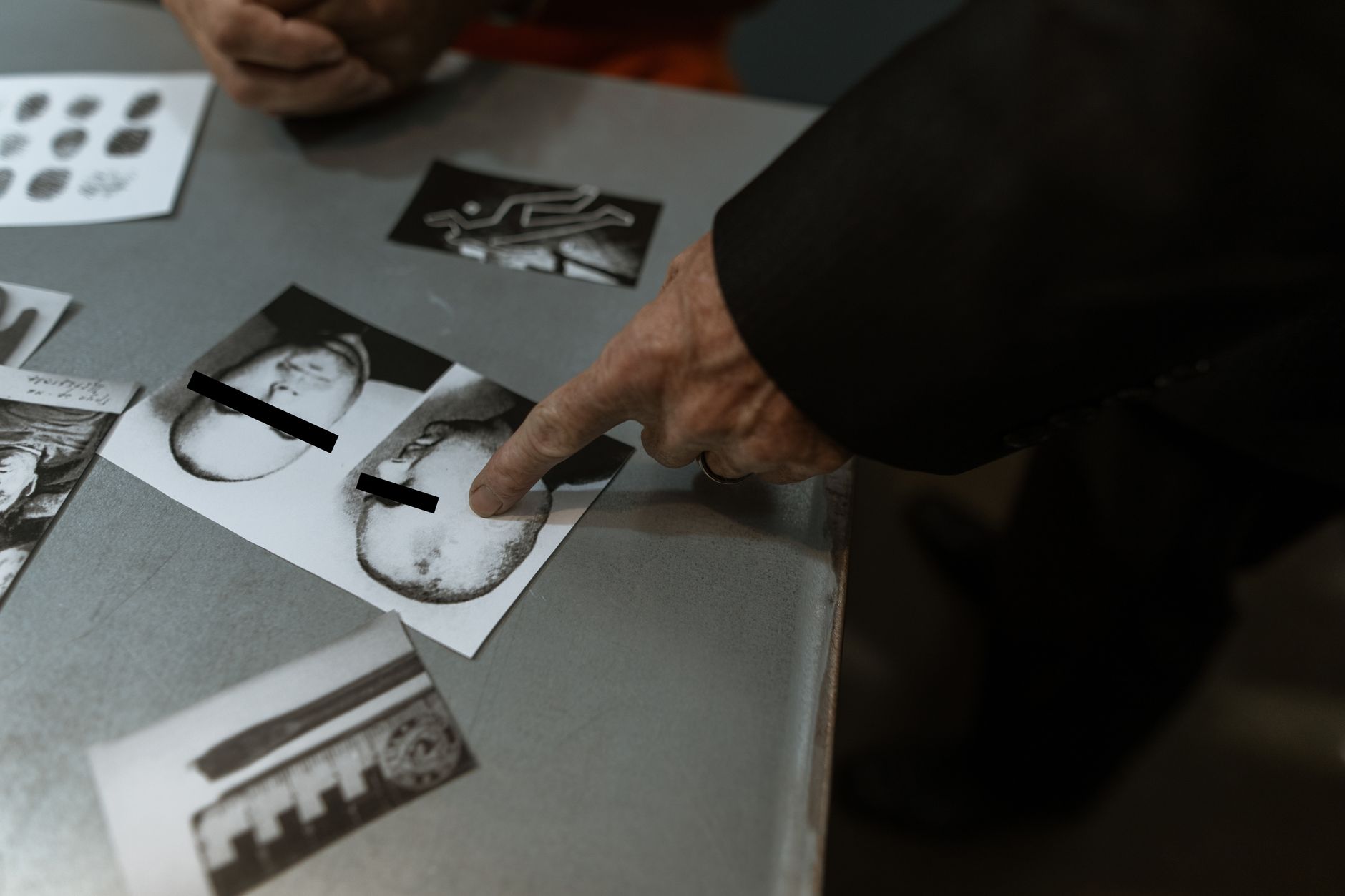
The breakthrough came through forensic analysis. Crime scene investigators recovered fingerprints from multiple locations, including the Benton home in Houston and the Sirnic residence in Weimar, Texas, where George and Claudia Sirnic were killed in May 1999. The prints matched records tied to Ángel Maturino Reséndiz, who had been arrested and deported by US immigration authorities at least a dozen times since the 1970s.
DNA evidence also played a role. Biological material recovered from several crime scenes was sent to state and federal labs for analysis. Results confirmed that the same individual was present at multiple murder scenes across different states. Combined with witness descriptions and circumstantial evidence, investigators concluded they were dealing with a single offender.
Ballistics and tool mark analysis further supported the linkage. In cases where firearms were used, such as the killing of Norman and Karen Sirnic in Weimar, the weapons were traced back to items stolen from previous victims. This pattern of theft and reuse became a signature element of the investigation.
The manhunt and media involvement
By mid-1999, Reséndiz was named a suspect in at least nine homicides. The FBI added him to the Ten Most Wanted Fugitives list. His photograph was distributed to law enforcement agencies across the country, and tiplines were established in multiple states.
Media coverage intensified. National outlets ran stories about the railroad killer, emphasizing the geographic range of the crimes and the vulnerability of victims living near rail lines. Some reports focused on the fact that Reséndiz had been deported multiple times, raising questions about border enforcement and inter-agency coordination.
Despite the publicity, Reséndiz remained at large. He was believed to be moving between the United States and Mexico, using his knowledge of border crossings and rail routes to avoid capture. Law enforcement agencies coordinated with Mexican authorities, but extradition protocols and jurisdictional limitations slowed the process.
The surrender
On July 13, 1999, Reséndiz surrendered to US authorities at the international bridge in El Paso, Texas. His surrender was negotiated by his sister, who contacted a Texas Ranger and arranged for her brother to turn himself in. She had been in communication with law enforcement for several weeks and was reportedly motivated by fear for her own safety and concern that her brother would kill again.
Reséndiz was taken into custody without incident. He was transported to Houston, where he was formally charged with capital murder in the death of Dr. Claudia Benton. Additional charges followed in other jurisdictions.
Trial and conviction
Reséndiz was tried in Harris County, Texas, for the murder of Claudia Benton. The trial began in May 2000. Prosecutors presented forensic evidence, including fingerprints and DNA, linking Reséndiz to the crime scene. Witnesses testified about items stolen from the Benton home that were later recovered in Reséndiz’s possession.
The defense argued that Reséndiz was mentally ill and should not be held fully responsible for his actions. A psychiatrist testified that Reséndiz exhibited signs of psychosis and delusions. The defense requested a verdict of not guilty by reason of insanity.
The jury deliberated for several hours before returning a guilty verdict. During the sentencing phase, prosecutors presented evidence of Reséndiz’s involvement in other murders, arguing that he posed a continuing threat to society. The jury sentenced him to death.
Execution and unresolved questions
Reséndiz was executed by lethal injection on June 27, 2006, at the Huntsville Unit in Texas. He declined to make a final statement. His execution brought formal closure to the case in Texas, but questions remained about other potential victims.
Investigators suspected that Reséndiz may have been responsible for additional killings that were never conclusively linked to him. Some cases involved similar circumstances—victims near railroad tracks, use of blunt objects, evidence of burglary—but lacked the forensic evidence needed to confirm his involvement.
The railroad killer case highlighted gaps in inter-agency communication and the challenges of tracking transient offenders across state and national borders. It also underscored the importance of forensic science in linking geographically dispersed crimes and identifying serial offenders.
Victim impact and investigative lessons
The nine confirmed victims came from different backgrounds and had no apparent connection to one another beyond their proximity to rail lines. They included students, a physician, retirees, and a minister. Their deaths prompted discussions about public safety in communities near active rail corridors and the risks posed by transient offenders.
Law enforcement agencies involved in the investigation later implemented new protocols for sharing information about unsolved homicides with similar characteristics. The case became a reference point for training programs focused on serial crime investigation and multi-jurisdictional coordination.
Families of the victims advocated for policy changes related to border enforcement and tracking of repeat immigration offenders. Some called for stricter penalties for individuals with criminal records who repeatedly entered the country illegally. Others focused on improving communication between local, state, and federal law enforcement agencies.
Where to look next
- Documentary: “The Hunt for the Railroad Killer” (Investigation Discovery)
- Book: “The Railroad Killer” by Wendy Lesser
- Podcast: “The Railroad Killer” (“My Favorite Murder”, Exactly Right Media)