



Case overview
Denise Huskins was abducted from her boyfriend’s Vallejo, California home in March 2015 in what appeared to be a carefully planned kidnapping involving restraints, sedation, and ransom demands. Police publicly dismissed her account as a hoax before physical evidence tied the crime to a disbarred attorney who had committed similar break-ins. The case exposed a failure in investigative response and resulted in federal kidnapping charges.
The abduction window
On March 23, 2015, at approximately 3:00 a.m., an intruder entered the Mare Island home of Aaron Quinn through an unsecured door. Quinn, a physical therapist, was awakened by a bright light. The intruder placed what Quinn described as swim goggles covered with duct tape over his eyes, then bound his wrists and ankles with zip ties.
Quinn told investigators that multiple voices spoke to him during the ordeal, though it remained unclear whether more than one person was present. The voices said this was a robbery and that he and his girlfriend, Denise Huskins, needed to comply. Huskins was asleep in another room when the intrusion began.
Both victims were given what they believed to be sedatives. Quinn reported being told the substance was Nyquil mixed with Valium. He described drifting in and out of consciousness while restrained. Huskins was moved to another part of the residence, then removed from the home. Before leaving, the abductor told Quinn he would receive instructions and that Huskins would be returned safely if he followed them.
Quinn was left bound and blindfolded. He did not call police until approximately 11:00 a.m. that same day, nearly eight hours after the intrusion began. He later said he had been warned not to contact authorities immediately and feared for Huskins’ safety.
The ransom demand and initial response
After Quinn contacted the Vallejo Police Department, investigators responded to his home and began processing the scene. Quinn provided a detailed account of the abduction, including the restraints, sedation, and instructions he had received. He told officers that the intruder had used an electronic device to communicate pre-recorded messages and demands.
That afternoon, Quinn received an email demanding $8,500 in ransom for Huskins’ safe return. The email instructed him to withdraw funds and await further direction. Investigators monitored the communications but grew increasingly skeptical. The delay in reporting, the relatively small ransom amount, and the unusual details led some detectives to suspect fabrication.
Two days after the abduction, on March 25, Huskins reappeared in Huntington Beach, California, more than 400 miles south of Vallejo. She walked into a location near her father’s home and was soon reunited with family. She told investigators she had been held in a location she could not identify, sexually assaulted twice, and released after her captor received word that Quinn had gone to police.
The public accusation
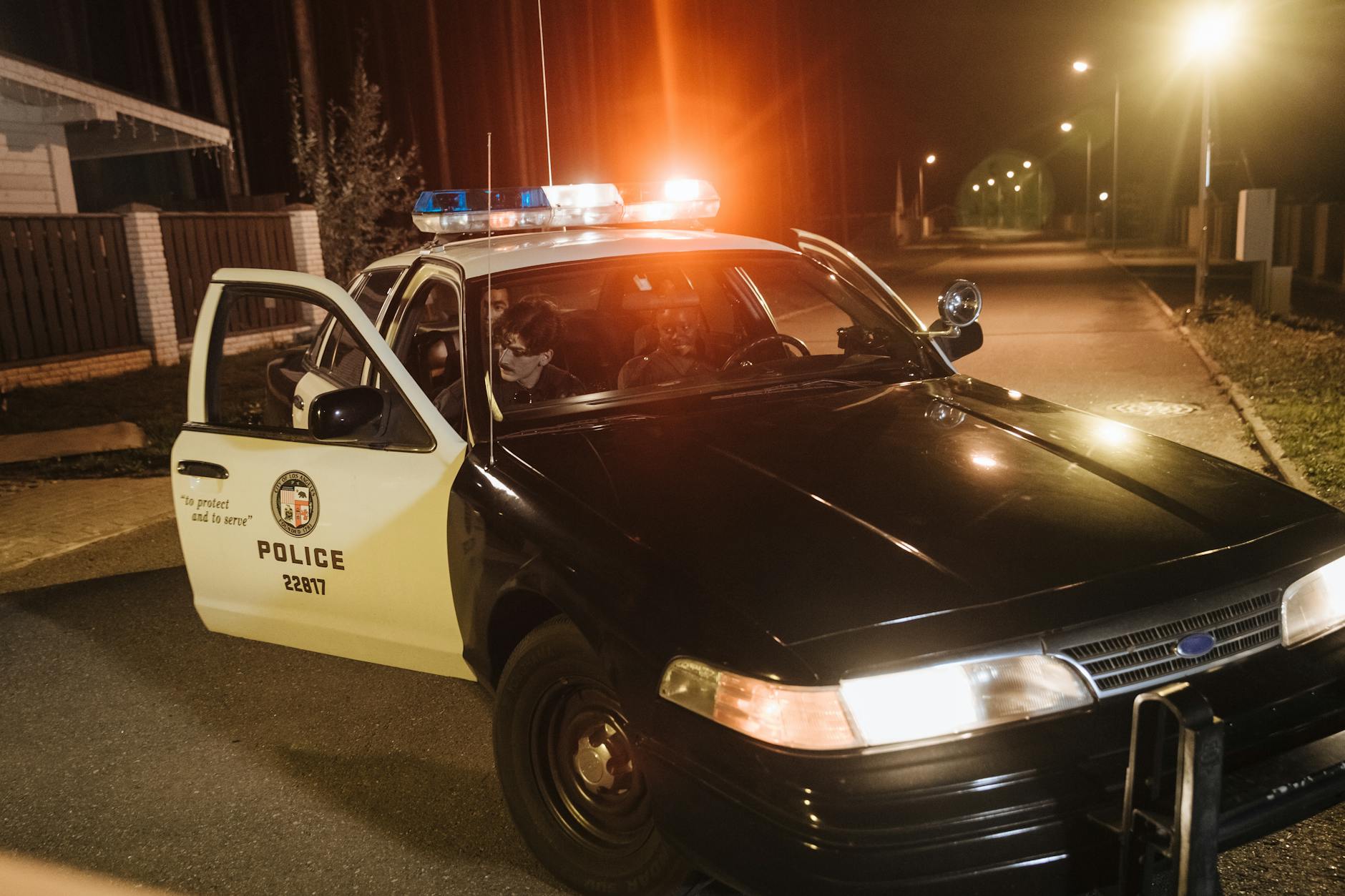
On March 25, the same day Huskins resurfaced, the Vallejo Police Department held a press conference. Lieutenant Kenny Park addressed the media and stated that the department had determined there was no evidence to support the claim of an abduction. Park said the incident had wasted resources and drew a comparison to the 2014 film “Gone Girl,” in which a woman fabricates her own kidnapping.
The statement shocked Huskins, Quinn, and their families. Both victims maintained the abduction was real and that they had been truthful. Huskins’ attorney later stated that she had been subjected to a sexual assault examination and provided detailed statements.
The public dismissal drew national attention and placed Huskins and Quinn at the center of intense media scrutiny. Many questioned why the department had moved so quickly to reject their account without awaiting forensic results or further investigation.
The break in the investigation
On June 5, 2015, roughly two and a half months after the kidnapping of Denise Huskins, police in Dublin, California responded to a report of an attempted break-in. A resident had confronted an intruder outside her home, and the suspect fled. Investigators recovered items left behind, including a cell phone and other belongings.
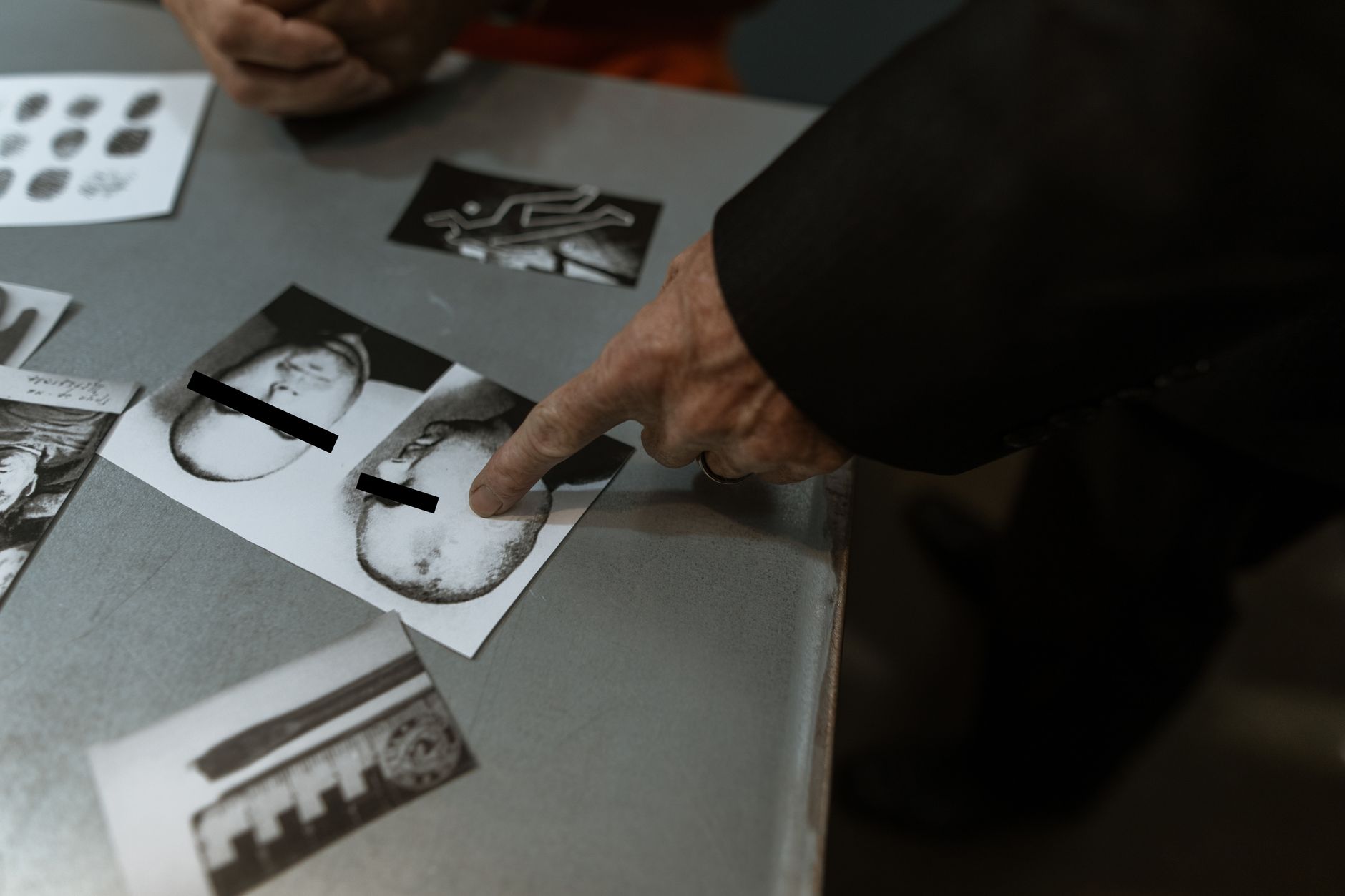
The phone was traced to Matthew Muller, a 38-year-old disbarred immigration attorney and former Marine. A search of Muller’s vehicle and property turned up zip ties, swim goggles covered with duct tape, a water pistol painted to resemble a firearm, and a laptop containing video and images tied to the Huskins kidnapping.
Muller had recorded part of the abduction. Investigators found footage showing Huskins restrained and blindfolded inside what appeared to be a bedroom. Additional files on the computer included searches related to kidnapping methods, sedatives, and ransom negotiations. Physical evidence recovered from Muller’s belongings matched materials described by both Huskins and Quinn.
Muller was arrested on June 8, 2015 and charged with kidnapping for ransom in federal court. The FBI took over the investigation. Evidence showed that Muller had conducted surveillance on Quinn’s home prior to the abduction and had planned the crime with significant forethought.
What the evidence revealed
Forensic analysis confirmed that Muller had acted alone. Investigators determined that he had used pre-recorded audio messages to simulate the presence of additional accomplices, a tactic intended to intimidate his victims and complicate police response. DNA evidence collected from Huskins and from items in Muller’s possession matched, corroborating her account of sexual assault.
Muller had a history of erratic behavior and legal troubles. Once a Harvard-educated attorney, he had been disbarred and was living in a state of financial and personal instability. Records showed he had committed similar home invasions in the months before and after the Huskins abduction, targeting other residences in the same region. In at least one case, he had entered a home, restrained occupants, and fled without taking property.
Investigators also found evidence that Muller had researched methods used in other high-profile kidnapping cases and had attempted to design a crime that would confuse law enforcement. His use of sedatives, blindfolds, and electronic communication suggested planning and intent to avoid detection.
Charges and sentencing
On March 16, 2016, Matthew Muller pleaded guilty in federal court to one count of kidnapping for ransom. As part of the plea agreement, prosecutors outlined the evidence against him, including the video files, physical restraints, and DNA evidence. Muller admitted to abducting Huskins, sexually assaulting her, and demanding ransom from Quinn.
On March 16, 2017, Muller was sentenced to 40 years in federal prison. The judge described the crime as sophisticated and cruel, noting the trauma inflicted on both victims and the broader harm caused by the police department’s premature dismissal of their claims.
Muller later pleaded guilty in state court to additional charges, including robbery, burglary, and false imprisonment related to other home invasions in the Bay Area. He received additional prison time to be served concurrently with his federal sentence.
Aftermath and litigation
In March 2016, Denise Huskins and Aaron Quinn filed a claim against the City of Vallejo, alleging defamation and emotional distress stemming from the police department’s public statement comparing the case to “Gone Girl.” The couple sought damages for the reputational harm and psychological injury caused by the false accusation.
The city settled the lawsuit in March 2018 for $2.5 million. As part of the settlement, Vallejo officials issued a public apology acknowledging that Huskins and Quinn had been truthful and that the department’s initial response had been inappropriate. The police department did not admit wrongdoing but agreed to the terms to resolve the litigation.
The case prompted discussions about investigative practices and the risks of premature public statements in complex criminal cases. Legal analysts and victim advocates pointed to the Huskins case as an example of confirmation bias and the importance of following physical evidence before drawing conclusions.
Where to look next
- Documentary: “American Nightmare” (Netflix)
- Book: “Victim F: From Crime Victims to Suspects to Survivors” by Huskins Quinn and Aaron Quinn
- Podcast: “Denise Huskins” (“Crime Junkie”, Audiochuck)