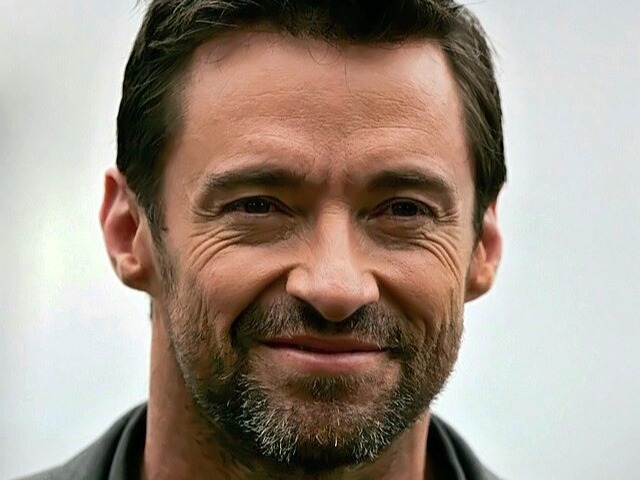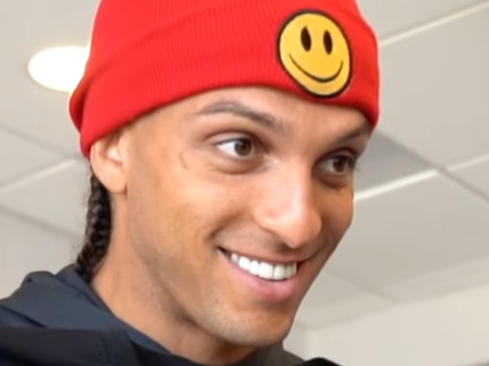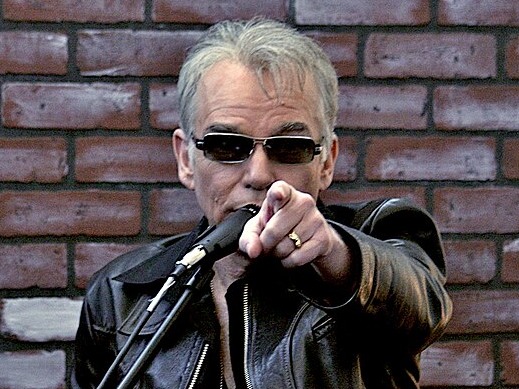




Lauren Jauregui, Simon Cowell, Carly Rose Sonenclar, Britney Spears, and Tate Stevens promoting “The X Factor” in 2012. Photo courtesy of Mingle Media TV under CC BY-SA 2.0.
Simon Cowell has never been one to mince words, especially when it came to his role as a judge on “American Idol.” Known for his razor-sharp critiques and unfiltered honesty, Cowell built a reputation as the toughest judge on reality TV. But in a recent interview with The New York Times, the music mogul dropped a bombshell confession: he now admits he’d “probably gone too far” with some of his harshest comments and openly called himself “a d–k” during his time on the show.
This moment of reckoning from one of television’s most iconic critics offers a rare glimpse behind the curtain of reality TV fame. Simon Cowell’s blunt style helped catapult “American Idol” into a global phenomenon, but it also left a trail of bruised egos and viral clips of merciless put-downs. Now, decades after his original run on the show from 2002 to 2010, Cowell is reflecting on the toll that relentless audition days and the pressure to find the next superstar took on his judgment and demeanor.
The Pressure Cooker of Audition Days
Cowell’s rise to fame was fueled by his unyielding quest to discover raw talent and turn hopefuls into chart-topping stars. But the audition process was grueling, often stretching for hours with hundreds of contestants. Simon Cowell revealed that the monotony and frustration of these long days sometimes got the better of him, leading to moments where his bluntness crossed into cruelty.
He explained that when faced with contestants who simply could not sing, he would cut to the chase quickly, telling them outright that they lacked talent. This no-nonsense approach was meant to be honest, not hurtful, but Cowell now acknowledges that it often came off as harsh and humiliating. He admitted that he was not proud of those moments and apologized for “being a d–k,” as reported by PEOPLE, a phrase he used to describe his own behavior on the show.
Bluntness Versus Humiliation
The line between being brutally honest and outright humiliating contestants is a fine one, and Simon Cowell admits he sometimes blurred it. He reportedly noted that while he never intended to be mean-spirited, the reality of television meant that producers often highlighted his worst moments for dramatic effect. Cowell confessed that out of a hundred kind comments, the clips that made the rounds were usually the ones showing him in a bad mood or delivering a harsh critique.
This candid self-reflection is a departure from the image of the untouchable judge who wielded his power without remorse. Cowell’s willingness to own up to his mistakes humanizes the man behind the tough exterior and offers a fresh perspective on the pressures of reality TV stardom.
A New Chapter With ‘Simon Cowell: The Next Act’
Simon Cowell’s interview comes just ahead of the premiere of his new Netflix series, “Simon Cowell: The Next Act,” where he embarks on a mission to create the next global boyband sensation. The show promises to showcase Cowell’s expertise in talent scouting but with the wisdom of someone who has learned from past missteps.
In the interview, Cowell also shared that he has changed over time, becoming more aware of how his words affect others. He acknowledged that everyone involved in these shows has moments they regret, but he believes honesty is kinder than giving false hope to those without talent. Cowell explained, “If Eric, my son, said, ‘Dad, I want to be a singer,’ and he sang to me and every note was outta tune, I would say, ‘Darling, you can’t sing.’ I wouldn’t lie to him,” as reported by PEOPLE, emphasizing that he would never lie to him just to spare feelings.
The Legacy of a Reality TV Icon
Simon Cowell’s legacy is inseparable from the rise of reality TV talent competitions. His sharp tongue and unfiltered critiques helped define a genre that thrives on drama and emotional highs and lows. Yet, this new admission reveals the personal cost of that fame and the complexity behind the persona.
For fans and critics alike, Cowell’s apology is a reminder that even the toughest judges are human. It invites us to reconsider the impact of reality TV’s harsh spotlight and the people who live under it. Cowell’s reflection is not just about regret but growth, showing that even the most iconic figures can evolve and look back with humility.
As “Simon Cowell: The Next Act” prepares to debut, audiences will get to see a more nuanced version of the man who once ruled the audition room with an iron fist. This new chapter promises not only fresh talent but also a more thoughtful approach from a judge who has learned that sometimes, being honest means knowing when to hold back.
In the end, Simon Cowell’s confession is a rare and revealing moment in the world of celebrity and reality TV. It’s a story of power, pressure, and the human side of fame. A story that reminds us all that even the hardest critics can soften with time.
References: Simon Cowell Says He’s ‘Sorry’ for ‘Being a Dick’ on ‘American Idol’ | Simon Cowell Is Sorry, Softer and Grieving Liam Payne | Simon Cowell Judges Himself: ‘I am the Same Person On and Off Camera’