Stolen Skulls, Creepy Dolls: Harvard's Morgue Scandal
You might think you've seen it all when it comes to bizarre crimes, but the story of Katrina Maclean takes the macabre to a whole new level. Imagine a shop selling dolls and curiosities — only these aren't your typical trinkets. Instead, they're made from real human remains, stolen from one of the most prestigious medical institutions in the country. This unsettling tale of trafficking stolen body parts reveals a dark underworld where donated cadavers, meant for medical research, were diverted and sold for profit. It's a story that mixes shock, betrayal, and a chilling breach of trust.
The Unfolding of a Gruesome Scheme
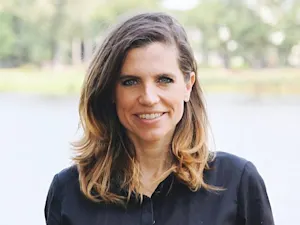
Katrina Maclean, 46, from Bradford, Massachusetts, pleaded guilty in federal court on Dec 8, 2025, to buying and selling human remains stolen from Harvard Medical School between 2018 and 2022, according to multiple reports. She operated a shop called Kat's Creepy Creations, which specialized in "oddities" and "creepy dolls" crafted from these illicit materials, as reported by the Otago Daily Times. The remains included skulls, dissected heads, and other body parts that had been donated for medical research and education before their scheduled cremations.
The stolen remains were allegedly trafficked across state lines, primarily between Massachusetts and Pennsylvania, creating a disturbing network of buyers and sellers. Maclean not only sold these morbid curiosities to customers but also transported them interstate, violating federal laws. The case exposes how donated bodies, entrusted to medical institutions for advancing science, were exploited for profit and morbid fascination.
The Role of Harvard Medical School's Morgue Manager
Central to this grim operation was Cedric Lodge, the former morgue manager for the Anatomical Gifts Program at Harvard Medical School. Lodge was responsible for managing donated bodies intended for research and education. However, from 2018 to 2022, he allegedly stole organs and other body parts, which he then sold to various buyers, including Maclean. Lodge and his wife, Denise, reportedly transported stolen remains from Boston to their home in Goffstown, New Hampshire, where they arranged sales via phone and social media.
Maclean's involvement was not isolated. Other defendants, including Jeremy Pauley, Joshua Taylor, Andrew Ensanian, Matthew Lampi, and Angelo Pereyra, have also reportedly pleaded guilty to charges related to the stolen remains. Some have already been sentenced to prison terms, while others await sentencing. The FBI, the US Postal Inspection Service, and local police departments have been investigating this network, highlighting the extensive reach and seriousness of the crime.
A Creepy Creations Shop Like No Other
Kat's Creepy Creations, Maclean's shop in Salem, Massachusetts, was more than just a store — it was a hub for the sale of these stolen human parts allegedly disguised as art and collectibles. The shop's Instagram bio described it as a place for "oddities," "creepy dolls," and "bone art," as reported by the Otago Daily Times, attracting a niche community fascinated by the unusual. Maclean allegedly purchased two dissected faces from Lodge for $600 each just before Halloween in 2020, underscoring the eerie nature of her business.
Despite the grotesque nature of the items, Maclean's defense lawyers argued that she was a married woman and loving mother who was an active community member with no prior criminal record. They also claimed she was "part of a legal, nationwide oddities community that collects body parts," as reported by the Mirror — particularly in Salem, a town known for its fascination with the unusual. However, the law sees things differently when it comes to trafficking stolen human remains.
Legal Consequences and Sentencing
Maclean faces a maximum sentence of 10 years in prison and a fine of up to $250,000 under federal law for the interstate transport of stolen human remains. However, prosecutors have recommended a more lenient sentence of 12 months as part of a plea deal. The final sentencing will be determined by the judge after considering federal sentencing guidelines and the specifics of the case.
The case serves as a stark reminder of the legal and ethical boundaries surrounding human remains. Donated bodies are meant to advance medical knowledge and education, not to be commodified or exploited. The betrayal of this trust has left many in the medical and legal communities shaken.
What This Means for You
This unsettling case might make you think twice about the origins of some of the more unusual items you might encounter in curiosity shops or online marketplaces. It also highlights the importance of oversight and accountability in institutions that handle human remains.
While the details are disturbing, the resolution of this case brings some measure of justice and hopefully deters others from engaging in similar crimes. It's a chilling chapter in the world of true crime that combines the grotesque with the deeply human — a reminder that even in the most respected institutions, dark secrets can lurk beneath the surface.
References: Woman, 46, Pleads Guilty to Trafficking Stolen Human Remains for 'Creepy' Shop | Stolen Harvard Body Parts Found in 'Creepy Creations' Shop Amid Missing Remains Probe | Doll Maker Sold Stolen Human Remains