
Case overview
Chandra Levy, a 24-year-old federal intern, disappeared from Washington, D.C., on May 1, 2001, and her remains were found in Rock Creek Park 13 months later. Her death was ruled a homicide, but the investigation shifted from political scandal to a murder case built on disputed forensic evidence and conflicting witness accounts. The conviction that followed was later overturned, leaving the murder of Chandra Levy legally unresolved.
The last confirmed movements
Chandra Levy was last seen alive on April 30, 2001, at her apartment in the Dupont Circle neighborhood. On May 1, computer records showed activity on her laptop between 9:30 and 10:00 a.m. Investigators recovered search queries related to Rock Creek Park and the Klingle Mansion area, a wooded section known for running and hiking trails. She did not show up for a scheduled flight home to California that evening.
Her parents reported her missing on May 6. By May 10, the Metropolitan Police Department had opened a missing-person investigation. Media attention intensified after it was confirmed that Levy had been in a relationship with U.S. Representative Gary Condit, a married congressman from her home district in California. The case became a national story, with scrutiny focused on Condit’s cooperation with investigators and inconsistencies in his public statements.
Condit was interviewed multiple times by police but was never named a suspect. He acknowledged the relationship only after weeks of public pressure. The media focus on Condit dominated the investigation for months, but no evidence connected him to Levy’s disappearance or death.
Discovery and autopsy findings
On May 22, 2002, a man walking his dog in a remote section of Rock Creek Park found skeletal remains later identified as Chandra Levy through dental records. The remains were located approximately 40 feet off a steep trail in a heavily wooded area near the park’s Western Ridge Trail. Investigators also recovered personal items, including a USC sweatshirt, leggings, running shoes, and a Sony Walkman.
The D.C. Office of the Chief Medical Examiner ruled the death a homicide but could not determine a specific cause due to decomposition. No soft tissue remained, and there were no fractures or other skeletal trauma that could indicate the manner of death. The autopsy noted that the body had likely been exposed to the elements for over a year.
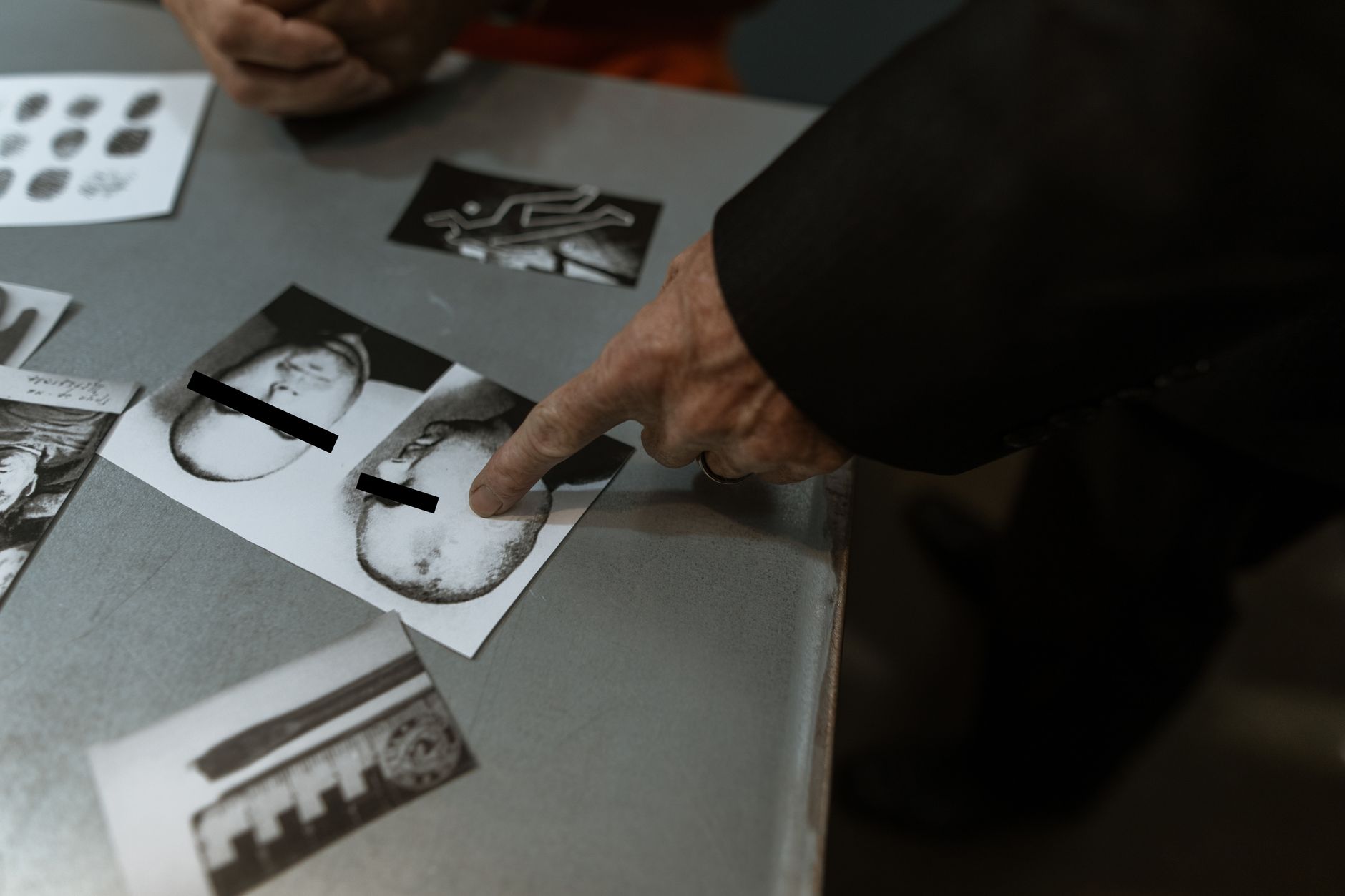
Crime scene photographs documented the position of the remains and clothing. The location was not visible from the main trail and required navigating difficult terrain. Investigators noted that Levy’s remains were found in an area consistent with the search terms identified on her laptop, but the timeline of when and how she reached that location remained unclear.
The investigation stalls and refocuses
For several years, the case remained unsolved. The Metropolitan Police Department reviewed thousands of tips and conducted multiple searches of Rock Creek Park, but no arrests were made. In 2008, the investigation shifted focus after new leadership at the police department reexamined the case files and forensic evidence.
Investigators identified Ingmar Guandique, a Salvadoran immigrant serving a prison sentence for two separate assault cases in Rock Creek Park in 2001. Both attacks occurred within months of Levy’s disappearance and involved women on remote trails. Guandique had been interviewed during the initial investigation but was not considered a primary suspect at the time.
In 2009, Guandique was indicted on charges of first-degree murder. Prosecutors argued that Levy was the victim of an attempted robbery or assault that turned fatal. The indictment was based largely on statements Guandique allegedly made to cellmates while incarcerated, in which he purportedly admitted to killing a woman in Rock Creek Park.
Trial and conviction
Guandique’s trial began in October 2010 in D.C. Superior Court. The prosecution’s case relied heavily on testimony from former cellmate Armando Morales, who claimed Guandique confessed to him in graphic detail. Morales testified that Guandique described attacking a young woman on a trail, attempting to sexually assault her, and killing her when she resisted.
The defense challenged the credibility of Morales, pointing to inconsistencies in his statements and his criminal history. Morales had previously provided information to law enforcement in exchange for reduced sentences in unrelated cases. Defense attorneys also highlighted the lack of physical evidence linking Guandique to Levy. No DNA, fingerprints, or forensic material connected him to the crime scene or the victim’s remains.
The prosecution introduced evidence of Guandique’s prior attacks in Rock Creek Park, arguing that the pattern of behavior established a modus operandi. Both victims testified that they were attacked on isolated trails by a man matching Guandique’s description. One victim was able to escape; the other fought off her attacker and reported the incident to police.
On November 22, 2010, a jury found Guandique guilty of first-degree murder and two counts of felony murder. He was sentenced to 60 years in prison. Levy’s family attended the sentencing and addressed the court, stating that the conviction brought some measure of closure but could not restore what had been lost.
The unraveling of the case
In 2015, Guandique’s defense team filed a motion for a new trial, citing evidence that the prosecution had withheld information about Armando Morales’s credibility. Newly disclosed records showed that Morales had contacted prosecutors multiple times offering to provide testimony in other cases in exchange for benefits. Defense attorneys argued that this information should have been disclosed during the trial and that it undermined the foundation of the prosecution’s case.
The U.S. Attorney’s Office reviewed the case and determined that it could no longer meet the burden of proof required for a retrial. On July 28, 2016, prosecutors filed a motion to dismiss the charges, stating that the government did not have sufficient evidence to proceed without Morales’s testimony and that his credibility could not be rehabilitated.
D.C. Superior Court Judge Gerald Fisher granted the motion, and Guandique’s conviction was vacated. He was released from custody and subsequently deported to El Salvador. No new charges have been filed, and the case remains open but inactive.
What remains disputed
The murder of Chandra Levy continues to be defined by what cannot be conclusively proven. The lack of physical evidence, the reliance on jailhouse testimony, and the absence of witnesses or forensic links to any suspect have left fundamental questions unresolved.
Investigators have not identified any new leads since the charges against Guandique were dismissed. The Metropolitan Police Department has stated that the case remains under investigation, but no active developments have been reported. Levy’s family has maintained that they believe Guandique was responsible but have expressed frustration with the handling of the case and the decision to dismiss the charges.
The case also highlighted systemic issues in the investigation, including early focus on Gary Condit that may have delayed other investigative avenues, lapses in the initial search of Rock Creek Park, and questions about the handling of informant testimony. Independent reviews have noted that the case was affected by media pressure, jurisdictional challenges, and inconsistent investigative practices.
Where to look next
- Documentary: “Who Killed Chandra Levy?” (Investigation Discovery)
- Documentary: “Murder on the Hill” (Oxygen)
- Book: “Finding Chandra: A True Washington Murder Mystery” by Scott Higham and Sari Horwitz