


Case overview
Elyse Pahler, a 15-year-old from Arroyo Grande, California, was reported missing in July 1995. Eight months later, her remains were discovered in a eucalyptus grove after one of three teenage boys confessed to killing her during what he described as a satanic ritual. All three were convicted of first-degree murder.
The disappearance
Elyse Pahler was last seen the evening of July 22, 1995, leaving her family home in Arroyo Grande. Her parents reported her missing the following morning when she failed to return. Initial searches yielded no leads, and investigators had limited information about her movements that night.
For months, the case remained unresolved. Elyse’s family maintained public appeals for information while local law enforcement continued investigating her disappearance as a missing persons case with suspected foul play.
The confession
In March 1996, approximately eight months after Elyse disappeared, one of three teenage boys involved contacted authorities. Jacob Delashmutt, then 16, told investigators that he and two others had killed Elyse in a eucalyptus grove near Highway 101. He led detectives to the location where her remains were buried in a shallow grave.
Delashmutt, along with Royce Casey and Joseph Fiorella, all students at Arroyo Grande High School at the time of the murder, were arrested and charged with first-degree murder. During interrogations, all three confessed. The details they offered included statements that the killing was intended as a sacrifice to Satan and that they believed committing murder would enhance their devotion to dark imagery associated with heavy metal music they listened to.
Prosecutors presented the confessions as the core of their case. Each boy admitted to participating in the attack. According to the statements, the three lured Elyse to the grove under false pretenses, then restrained and killed her. The motive they articulated centered on their interest in satanic symbolism and a belief that the act would serve a ritualistic purpose.
The evidence and trial
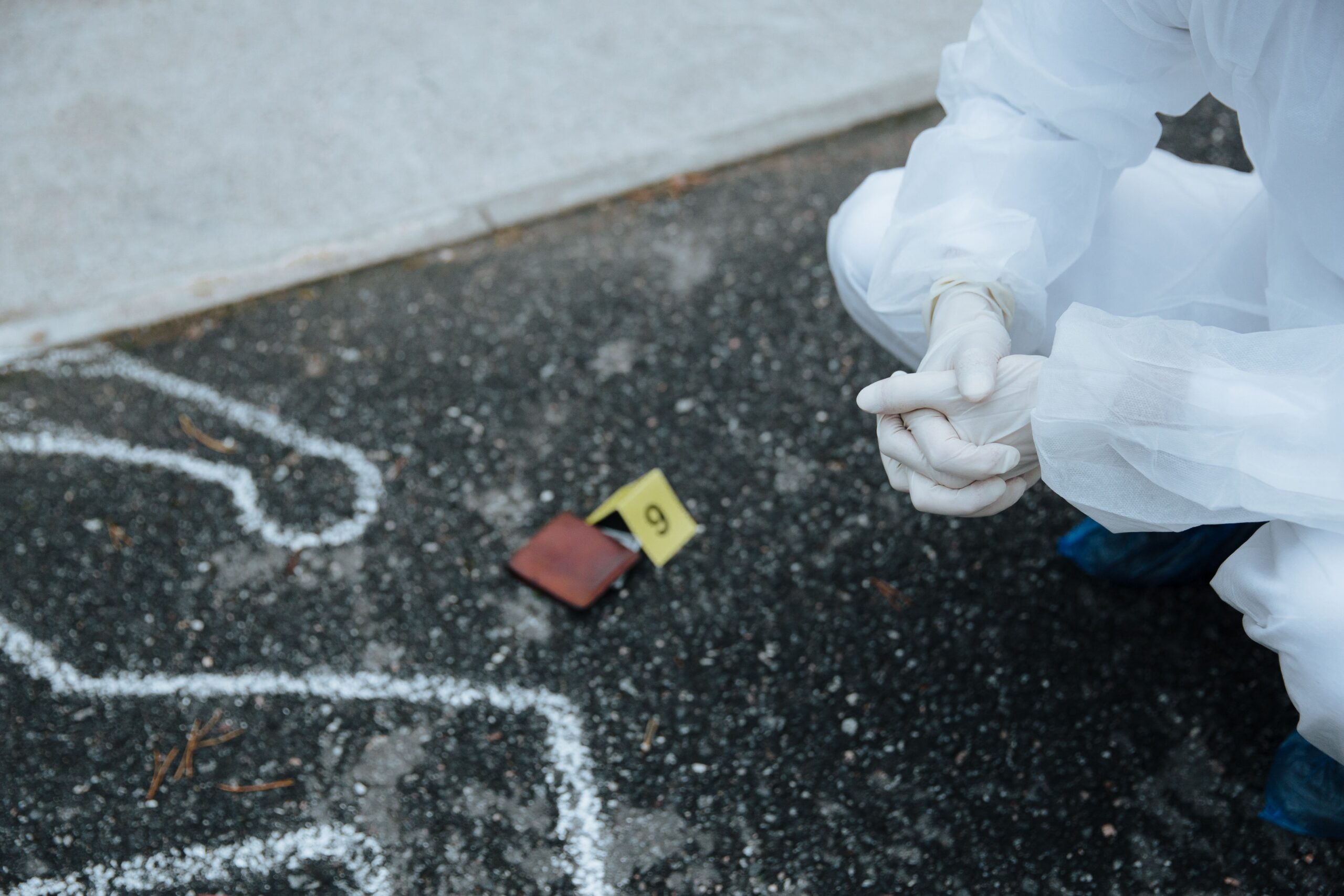
Physical evidence recovered at the scene included Elyse’s remains and items belonging to the defendants. Forensic analysis confirmed her identity and manner of death. Investigators documented the location and condition of the body, which had been concealed in the grove for months.
The case drew significant attention due to the defendants’ claims about satanic motivation. Prosecutors argued that the planning, coordination, and execution of the crime demonstrated premeditation. Defense attorneys for the three boys did not dispute their involvement but sought to challenge the degree of culpability and the framing of motive.
All three defendants were tried as adults. The confessions, combined with physical evidence and witness testimony about the boys’ behavior and statements in the months following the murder, formed the basis of the prosecution’s case. Each was convicted of first-degree murder.
Sentencing and legal aftermath
Royce Casey and Joseph Fiorella were sentenced to 25 years to life in prison. Jacob Delashmutt, who led authorities to the body and cooperated with investigators, received a sentence of 26 years to life. All three remain incarcerated.
The Pahler family later filed a civil lawsuit against the heavy metal band Slayer, claiming that the group’s lyrics had contributed to the boys’ violent actions. The lawsuit was dismissed in 2001. The court ruled that the band’s music was protected under the First Amendment and that no direct causal link between the lyrics and the crime could be established.
The disputed motive
The question of whether the satanic ritual framing was genuine or constructed remains a point of scrutiny in the case. Legal analysts and observers have debated whether the boys’ stated motive reflected authentic belief or served as a post-hoc justification for premeditated violence.
Court records indicate that the defendants expressed interest in dark imagery and heavy metal music, but the extent to which these interests directly motivated the murder versus provided a narrative framework after the fact has been questioned. No evidence of organized satanic activity or formal ritualistic planning beyond the boys’ own statements was documented in the investigation.
The confessions themselves were detailed and consistent across key facts, but the ritualistic motive was derived primarily from the defendants’ own descriptions. Prosecutors relied on the confessions and the coordinated nature of the crime to secure convictions, while the defense contended that the boys were troubled teenagers who committed an impulsive act of violence and later attempted to rationalize it through a sensationalized lens.
The record today
Elyse Pahler’s murder is documented as a resolved homicide with three convicted perpetrators serving life sentences. The case remains notable for the intersection of youth violence, media influence debates, and the role of self-reported motive in criminal proceedings.
The confessions and subsequent convictions established legal accountability, but broader questions about what drove three teenagers to kill a classmate continue to be examined in discussions of adolescent criminal behavior and the influence of subcultural interests on violent acts.
The case file contains the confessions, forensic reports, trial transcripts, and appellate decisions. No subsequent evidence has emerged to challenge the convictions, and all three defendants have remained incarcerated without successful appeals.
Where to look next
- Documentary: “The Devil’s Advocates” (Investigation Discovery)
- Book: “Someone Has to Die Tonight” by Jim Greenhill
- Podcast: “Criminology” (Emash Digital)