


Case overview
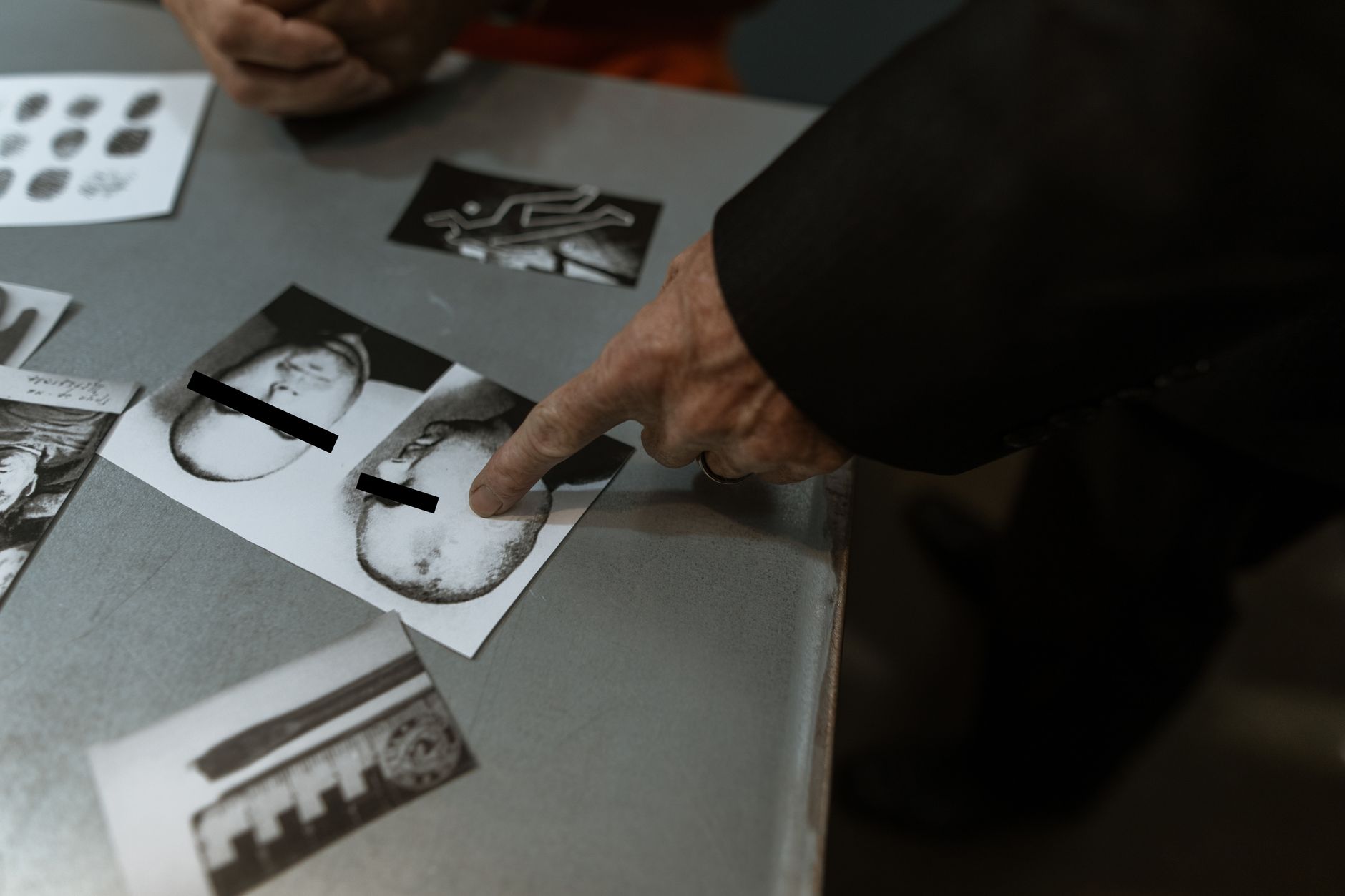
William Desmond Taylor, a prominent Hollywood director, was found shot to death in his Los Angeles bungalow on February 2, 1922. Despite immediate police involvement, extensive press coverage, and multiple suspects with clear motives, no arrest was ever made. The case remains officially unsolved, with key evidence lost or mishandled in the hours after the body was discovered.
Who William Desmond Taylor was
William Desmond Taylor was born William Cunningham Deane-Tanner in Ireland in 1872. He arrived in Hollywood in 1912 and built a career as a director, working with major studios and leading actresses of the silent film era. By 1922, he had directed more than 50 films and served as president of the Motion Picture Directors Association.
Taylor lived alone in a bungalow at Alvarado Court in the Westlake district of Los Angeles. His valet, Henry Peavey, managed the household. Taylor maintained professional relationships with several actresses, including Mary Miles Minter, a rising star, and her mother, Charlotte Shelby. He also worked with comedian Mabel Normand, who visited him the evening before his death.
The discovery
On the morning of February 2, 1922, Henry Peavey arrived at Taylor’s bungalow and found the director’s body on the living room floor. Peavey notified neighbors and the studio before police were called. The delay allowed studio executives and others to enter the residence before investigators arrived.
When police secured the scene, they initially believed Taylor had died of natural causes. The body was turned over, revealing a small bullet wound in the back. A .38 caliber slug was later recovered during autopsy. The coroner determined Taylor had been shot at close range, likely the previous evening between 7:45 and 8:15 p.m.
What neighbors reported
Edna Purviance, who lived nearby, reported hearing what sounded like a gunshot around 8:00 p.m. on February 1. Another neighbor, Faith Cole MacLean, told investigators she saw a figure leaving Taylor’s bungalow shortly after that time. Her description was vague and shifted in later interviews, alternately describing a man in a long coat or a woman dressed in men’s clothing.
Mabel Normand confirmed she had visited Taylor that evening, leaving around 7:45 p.m. She was seen departing by Taylor’s driver and other witnesses. No evidence suggested her involvement, but the visit placed her among the last known people to see Taylor alive.
The investigation and its complications
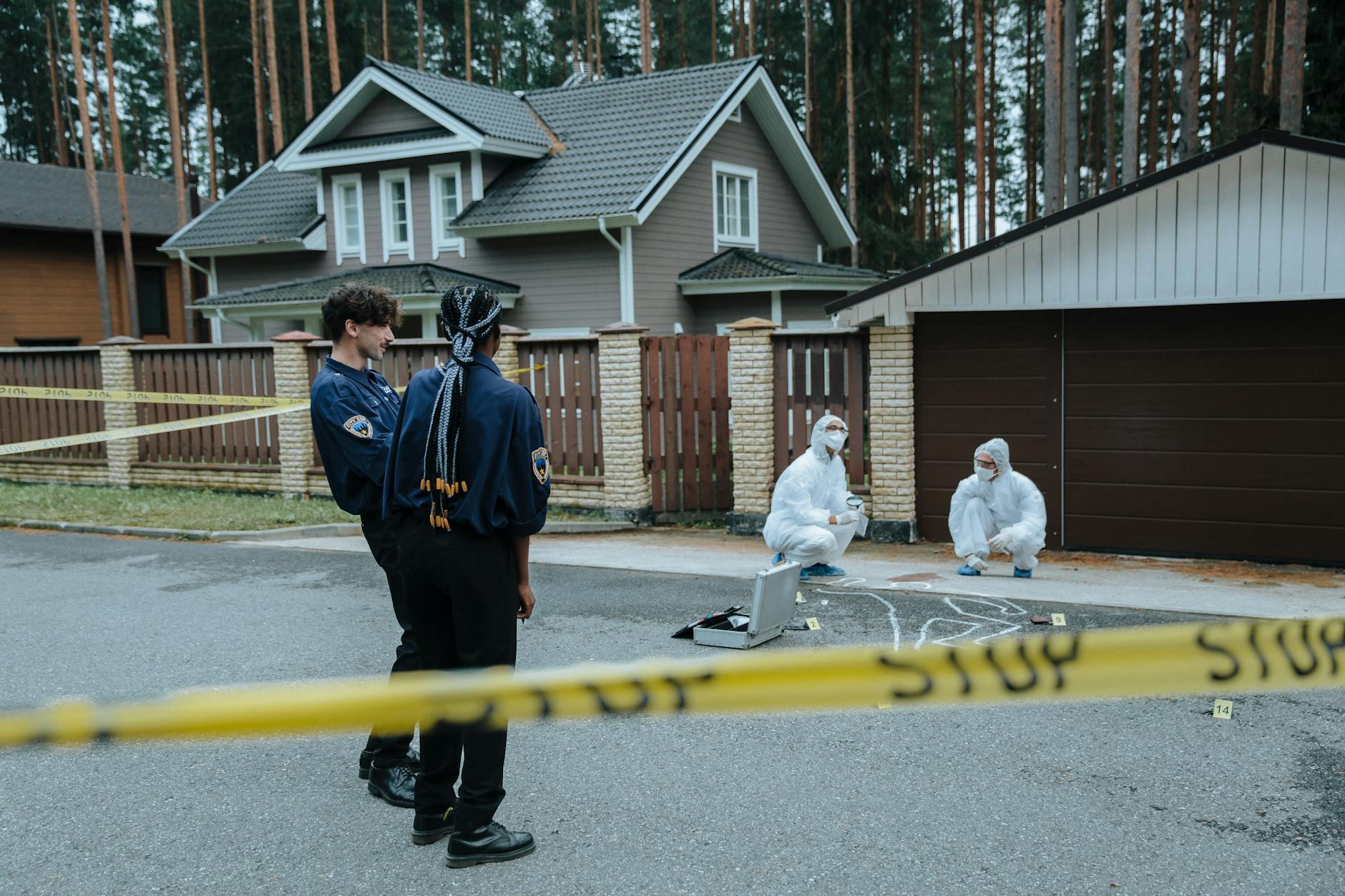
The Los Angeles Police Department faced immediate problems. The crime scene had been contaminated by studio personnel who removed documents, letters, and other materials before investigators took control. Paramount executives reportedly prioritized protecting the reputations of actors associated with Taylor over preserving evidence.
Investigators recovered several items, including a pink silk nightgown monogrammed with the initials MMM, believed to belong to Mary Miles Minter. Love letters from Minter to Taylor were also found, revealing a one-sided romantic obsession. Minter was 19 years old at the time. Taylor was 49.
Police questioned multiple individuals. Mabel Normand provided a clear account of her evening visit but faced intense press scrutiny due to her celebrity status. Mary Miles Minter and her mother, Charlotte Shelby, both gave inconsistent statements. Shelby, known to be protective and controlling of her daughter’s career, reportedly owned a .38 caliber handgun and had expressed anger over Taylor’s influence on Minter.
Suspects and motives
Charlotte Shelby remained a primary suspect for decades. She had access to a weapon matching the caliber used in the murder and a documented history of volatile behavior. Some investigators believed she feared Taylor would damage her daughter’s career or encourage Minter to leave her control. Shelby refused to fully cooperate with police and later employed attorneys to limit her exposure.
Edward F. Sands, Taylor’s former butler and secretary, was another key suspect. Sands had worked for Taylor in 1921 but disappeared after forging checks and stealing personal items, including Taylor’s car. He was never located after the murder, and some believed he returned to exact revenge or silence Taylor over something he knew. No physical evidence connected him to the crime.
Henry Peavey, the valet, discovered the body and had been arrested on morals charges days before the murder, an incident Taylor reportedly helped resolve. While questioned extensively, investigators found no credible motive or evidence linking him to the shooting.
Other theories focused on Taylor’s past. It emerged that he had abandoned a wife and daughter in New York years earlier and assumed a new identity when he moved to California. His brother, Dennis Deane-Tanner, had also disappeared under mysterious circumstances in 1912. Some speculated Taylor’s hidden history might have provided motive for someone from his former life, but no evidence supported this.
The role of the press
The murder became a media sensation. Los Angeles newspapers published daily updates, often based on rumors and unverified claims. The coverage focused heavily on Hollywood scandal, with headlines emphasizing Taylor’s relationships with actresses and the discovery of personal letters. The press treated the case as both a crime story and an entertainment spectacle.
This saturation coverage influenced public perception and may have complicated the investigation. Witnesses gave interviews before speaking to police. Evidence details leaked before they could be properly assessed. The intense focus on Hollywood figures overshadowed quieter investigative work and created pressure for quick answers that never came.
Why the case was never solved
The investigation stalled for several reasons. Crime scene contamination destroyed or displaced critical evidence. Witness statements were inconsistent and, in some cases, contradictory. The murder weapon was never recovered. Several key individuals, including Edward Sands, could not be located.
The Los Angeles Police Department also faced criticism for its handling of the case. Some accused investigators of yielding to studio pressure or failing to pursue leads involving wealthy or influential suspects. No arrests were made, and the case gradually moved from active investigation to cold status.
In 1937, actor and director King Vidor began his own private investigation, hoping to develop the story into a film. He conducted interviews and reviewed old evidence but reached no definitive conclusion. His notes, made public years later, added detail but no resolution.
Later developments
In 1964, director Sidney D. Kirkpatrick examined Vidor’s research and pursued additional interviews with surviving witnesses. His work, published in 1986 as “A Cast of Killers,” argued that Charlotte Shelby was the most likely suspect, pointing to her motive, access to a weapon, and efforts to avoid scrutiny. The theory remains speculative, as no physical evidence or confession ever emerged.
Other researchers have periodically revisited the case, proposing alternate theories or identifying overlooked details. None have produced new evidence sufficient to reopen the investigation or identify the shooter with certainty.
Where to look next
- Book: “A Cast of Killers” by Sidney D. Kirkpatrick
- Book: “Tinseltown: Murder, Morphine, and Madness at the Dawn of Hollywood” by William J. Mann
- Documentary: “Backstory: The Murder of William Desmond Taylor” (Turner Classic Movies)