


TLDR
Florida used car dealer Ronald Racki, 75, is charged with second-degree murder in the 2024 disappearance of 24-year-old Laikyn West. Police cite her journal, phone images, and forensic findings despite no body recovered, while also probing his uncorroborated claim about four other killings.
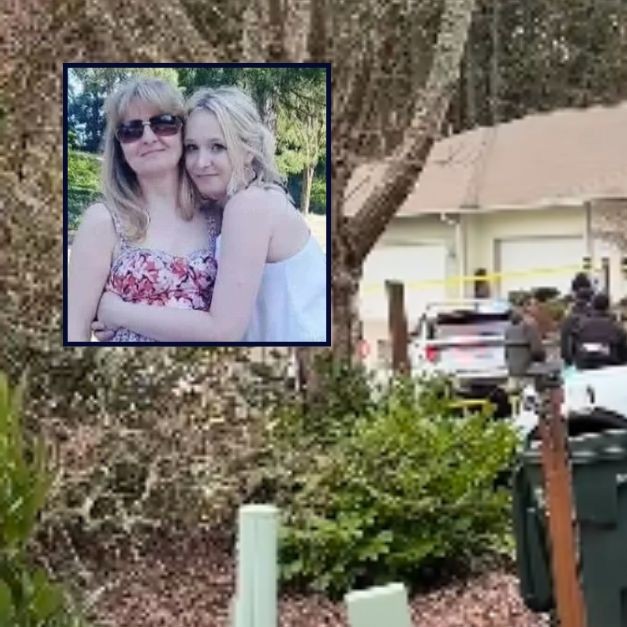
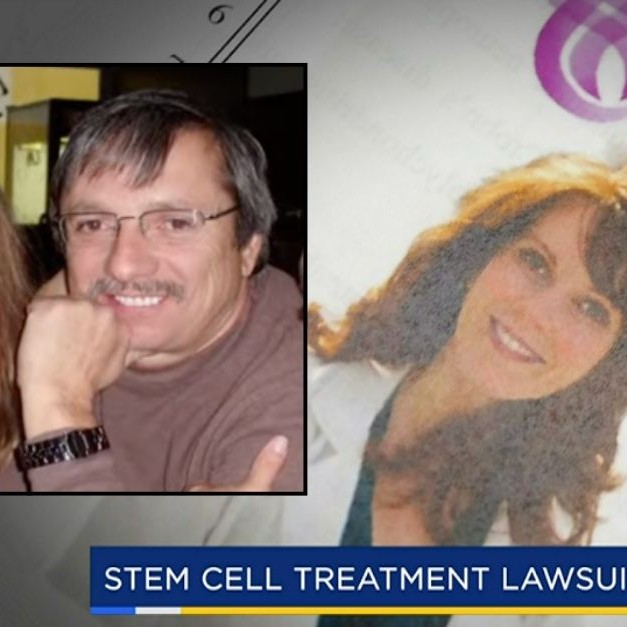
Insets show Laikyn Marie West and Ronald Racki, according to Venice police, with the 500 block of Spur Street in Venice, Florida, where Racki owns a used car dealership in the background.
Missing Woman, Dealer Under Scrutiny, and a No-Body Case
According to Venice police and court records, Ronald Chester Racki is accused of killing West in Venice after paying her to engage in sexual activity that allegedly involved chloroform. He was arrested on a warrant and booked into the Sarasota County Jail, where he is held without bond on a second-degree murder charge.
Police say West, who lived in Bradenton, was reported missing by her roommate in September 2024 after she had not been seen for three days. Investigators quickly focused on Racki, determining that he was the last known person to see her alive, according to a probable cause affidavit described by the Sarasota Herald-Tribune.
In that affidavit, investigators state that West and Racki spoke by phone around 8 a.m. on September 13th, 2024, and that he admitted picking her up that day so they could drive to Venice for lunch. Racki allegedly told detectives he routinely paid West for sexual favors. Police say they found no credible evidence that he returned her home.
Authorities publicly announced the charge at a news conference, more than a year after West disappeared. They described the investigation as lengthy and complex, in part because they are pursuing what is commonly called a no-body homicide, a type of case that relies on circumstantial and forensic evidence rather than a recovered victim.
Today, @VenicePoliceFL announced the arrest of Ronald Chester Racki, 75, in connection with the murder of 24-year-old Laikyn Marie West.
Laikyn was reported missing to the Bradenton Police Department on September 16, 2024. Her housemate told investigators that Laikyn left their… pic.twitter.com/ecXS3Ahqsl
— Bradenton Police Department (@BradentonPD) February 20, 2026
Journal Entries, Chloroform, and Digital Evidence
According to the affidavit, investigators obtained West’s journal and discovered entries indicating that Racki had paid her more than $900 to use chloroform on her during sex. The writings, described in reports by Law & Crime and the Herald-Tribune, reference specific payments and arrangements tied to their meetings.
Racki, when questioned, allegedly acknowledged paying West but disputed the extent of chloroform use. Police say he told them he “never really chloroformed her” and claimed that while he used chloroform as a cleaning product at his used car dealership on Spur Street, it was not employed as West had described.
Detectives then sought and received a warrant to search Racki’s phone. According to the affidavit summarized in media reports, officers say they found several images of West. In some, she was nude and bound with handcuffs and cable ties. One photo, which police say metadata placed around 10 p.m. on the day she was reported missing, allegedly shows her in that restrained state.
Investigators also reported locating what they described as violent pornography on the device. That characterization comes from law enforcement summaries. The underlying content and how it may relate to the alleged homicide have not been detailed in full in public filings.
Physical Traces and an Unfound Body
Without a recovered body, detectives have leaned on other forms of physical evidence. According to the affidavit, officers interviewed a car detailer who said he had worked on one of Racki’s vehicles. The worker reportedly noticed what he thought was a suspicious stain on the rear floor and detected an unusual odor inside the vehicle.
Authorities have not publicly disclosed the results of any forensic testing tied to that stain or odor. It is also not yet clear from public reporting whether DNA, trace chemicals, or other materials have been definitively linked to West.
Police say they continue to search for West’s remains and have not identified where her body might have been taken. The charging document does not specify a disposal method, and investigators have not publicly outlined any theory on that point.
Despite the absence of a body, Florida law allows prosecutors to bring a homicide case if they believe other evidence can prove a killing beyond a reasonable doubt. The second-degree charge alleges that Racki acted with a depraved mind, but without premeditated intent, in West’s death.
Alleged Hospital Confession and Claims of Other Victims
The affidavit also describes an incident that occurred months after West disappeared. In December 2024, several weeks after police interviewed Racki about her case, he reportedly attempted suicide and was admitted to a hospital, according to statements from Venice police.
While there, Racki allegedly made a disturbing remark to a nurse. According to the affidavit and as reported by Law & Crime, he said, “I killed four women six weeks ago.” Detectives investigated the claim, but authorities say they have not found credible evidence tying him to additional homicides.
Police have not named any other possible victims linked to that statement, and they have not announced additional charges. At this stage, the allegation of multiple killings remains uncorroborated, and authorities have publicly grounded their case in the evidence surrounding West’s disappearance.
The nurse’s account, if presented in court, could become a contested piece of evidence. Defense attorneys often challenge statements made in medical settings or after suicide attempts, arguing that physical or mental health crises can affect a person’s reliability and intent in making such remarks.
Competing Accounts and the Road to Trial
Racki, who is 75 years old, has not publicly responded in detail to the allegations beyond his statements to investigators described in the affidavit. According to those records, he conceded paying West for sex and acknowledged using chloroform in his business, but denied using it on her as described in her journal.
Investigators, by contrast, point to the combination of her writings, the images on his phone, and the absence of any proof that she left his company alive. The reported photographs of West, bound late on the night she vanished, sit at the center of that narrative, along with any forensic analysis of his vehicle.
At a news conference announcing the arrest, Venice Police Chief Andy Leisenring framed the case as the product of a long, coordinated effort. “After months of careful and coordinated investigative work, the evidence developed in this case supports this arrest and charge,” he said. “We remain committed to seeking justice for Laikyn West and to bringing answers to her family.”
Racki’s next court date is scheduled for March 20th. At that hearing and others that follow, a judge will review the evidence presented so far, address any motions from the defense or prosecution, and determine how the case will proceed toward trial.
For now, the central questions remain unresolved. West’s body has not been found, any additional victims referenced in the alleged hospital remark have not been identified, and defense lawyers have not yet had the chance to challenge the prosecution’s account in open court. How much of the affidavit’s most disturbing allegations will ultimately be admitted at trial, and whether they will be enough without a body, will be decided in the months ahead.