


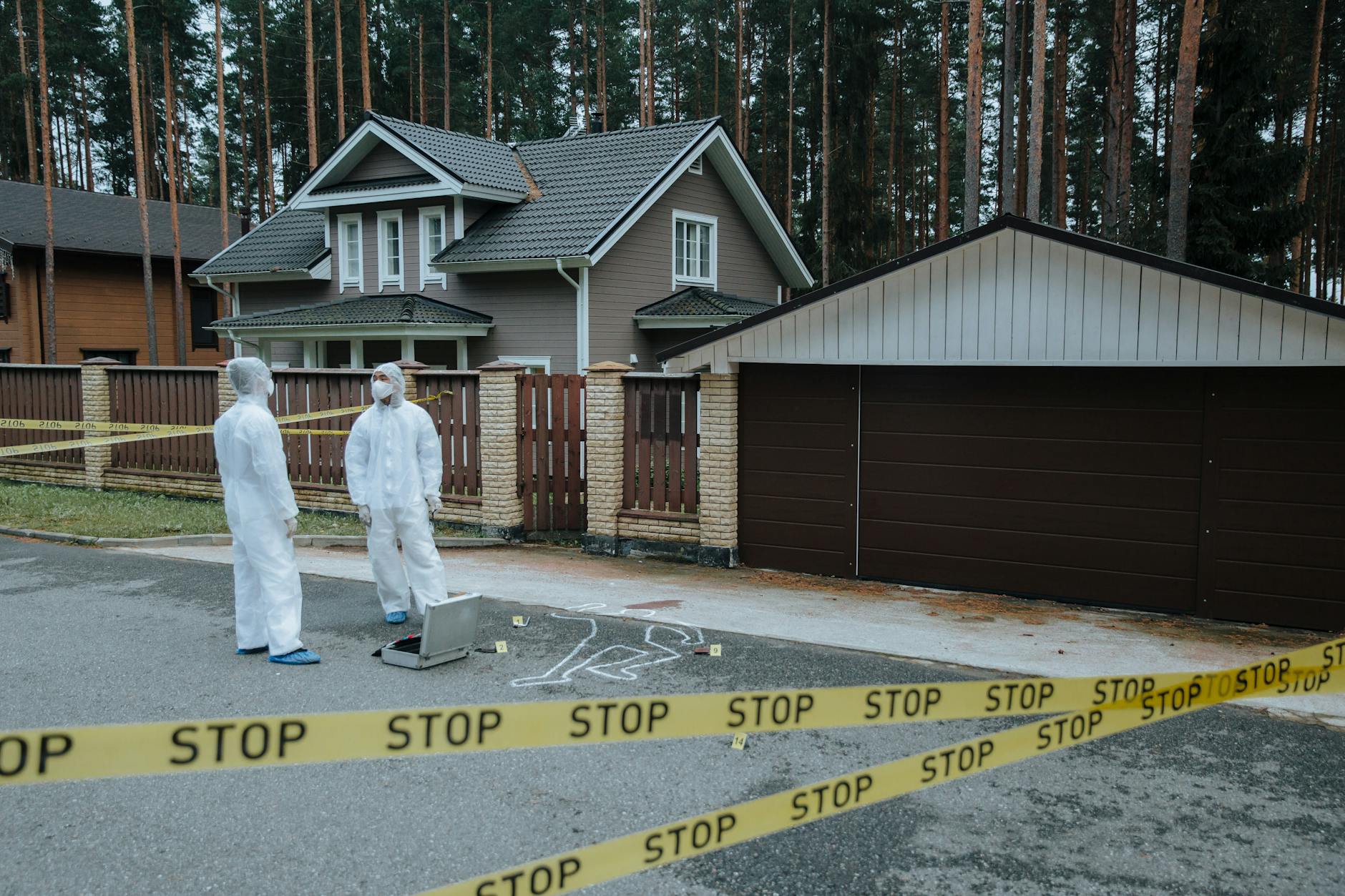
Case overview
On November 29, 1970, a burned and partially decomposed body was found in Norway’s Isdalen Valley, belonging to a woman carrying falsified identity documents, coded notes, and luggage traced to multiple hotels under different aliases. Despite an autopsy, forensic analysis, and international inquiries, Norwegian authorities never identified her or determined conclusively whether her death was suicide, murder, or an intelligence operation. The Isdal Woman case remains one of Scandinavia’s most scrutinized unresolved deaths.
The discovery in the valley
A University of Bergen professor hiking in Isdalen spotted the woman’s body beneath a rocky incline approximately 250 feet from the nearest trail. The remains were face-down and severely burned, surrounded by charred debris including melted plastic bottles containing petrol, burned packaging from phenobarbital sleeping pills, and a partially destroyed watch stopped at 12:32. The remote location and extent of burning immediately raised questions about how and why the woman died there.
An autopsy conducted by Professor Georg Waaler at Gade Institute in Bergen determined that the woman had ingested a significant dose of phenobarbital and sustained carbon monoxide and soot inhalation, indicating she was alive when the fire started. The report noted bruising on her neck but did not conclusively attribute it to assault. The cause of death was listed as a combination of carbon monoxide poisoning and phenobarbital toxicity, with no definitive ruling on whether the death was self-inflicted or homicide.
Items recovered and traced
Investigators found two suitcases at Bergen Station’s luggage storage, checked in days before the discovery. Inside were clothing with labels removed, wigs, additional prescriptions filled under false names, and a notepad containing handwritten coded entries using numbers and place names. No identifying documents, currency traceable to a single country, or personal photographs were present. Fingerprints lifted from items in the luggage matched prints taken from hotel registration cards, but no matches appeared in Interpol databases.
Police traced the woman’s recent movements through hotel registries in Bergen, Oslo, and Stavanger, finding she had checked into at least nine different hotels between late October and mid-November 1970. She used aliases including “Fenella Lorch,” “Alexia Zarna-Merchez,” and “Claudia Tjelt,” each tied to fabricated Belgian, Swiss, or German passports. Front desk staff described her as reserved, well-dressed, and often wearing wigs. Several noted she requested rooms overlooking building entrances or exits.
The autopsy and physical description
The woman was estimated to be between 25 and 40 years old, approximately 5 feet 4 inches tall, with partially preserved brown hair that had been dyed dark. Dental records showed extensive gold and porcelain work inconsistent with typical Norwegian or Western European dental practices of the period, suggesting possible Central or Eastern European origin. Several teeth had recently been extracted or replaced, further complicating identification efforts.
Isotope analysis conducted decades later on her teeth indicated she likely spent her early childhood in a region with different water mineral content than Scandinavia, possibly Central Europe or the Mediterranean. Forensic reports documented the presence of eczema and front teeth positioned in a manner suggesting thumb-sucking in childhood. No surgical scars, birthmarks, or tattoos were noted.
Investigative theories and intelligence speculation
Norwegian police pursued several investigative lines, including the possibility that the woman was involved in espionage during the Cold War. Her use of multiple identities, evasion of traceable documentation, and pattern of hotel stays near ports led investigators to consider whether she was a courier, operative, or person fleeing covert activity. No evidence directly linked her to any intelligence service, but her behavior mirrored known tradecraft.
The coded notes found in her luggage were analyzed by Norwegian authorities and shared with international agencies. The entries appeared to reference travel destinations and dates, but their exact meaning was never confirmed. Some investigators speculated the codes were related to espionage rendezvous, while others believed they were shorthand for personal travel records.
An alternative theory suggested the woman was fleeing domestic or criminal circumstances and used aliases to avoid detection. The phenobarbital and petrol found at the scene supported the possibility of suicide, though the location and circumstances remained unusual. Some forensic experts questioned whether the fire could have been set by a disoriented or sedated person acting alone, citing the deliberate placement of petrol containers and the body’s positioning.
Press coverage and public response
Norwegian newspapers covered the case extensively beginning in December 1970. Bergens Tidende and Dagbladet published front-page stories urging readers to contact authorities if they recognized forensic sketches and descriptions of the woman. Interpol circulated bulletins across Europe, but no credible identifications were submitted.
The story attracted recurring public interest through the decades, particularly after a Bergen-based journalist revived the case in the 1980s and again in the 2000s. Reconstructed facial images and appeals through television programs generated tips, none of which led to a confirmed identity. The case became a fixture in true crime literature and forums dedicated to unresolved mysteries.
Official burial and later exhumation
Unable to identify the woman, Norwegian authorities buried her in a zinc coffin at Møllendal Cemetery in Bergen in 1971. The use of zinc was intended to preserve remains for potential future identification. In 2016, authorities approved exhumation for advanced DNA and isotope testing, yielding genetic material that was compared against available databases but produced no match.
The DNA profile was uploaded to international missing persons databases and shared with genealogical research organizations. As of the most recent public updates, no familial matches or definitive leads have been reported.
Unresolved questions and archival status
The Isdal Woman case file remains open in Norwegian police records but is no longer subject to active daily investigation. Key evidentiary gaps include the absence of a confirmed identity, unclear motive, and no witnesses to her final hours. The presence of phenobarbital and petrol supports both suicide and homicide scenarios, and no forensic evidence definitively excludes either.
Whether the woman was involved in intelligence work, fleeing persecution, or acting under unknown personal circumstances has never been established. Her use of aliases, the removal of identifying labels, and the lack of traceable contacts suggest intentional concealment, but the purpose remains speculative.
The case is now classified under Norway’s unsolved historical deaths and remains a reference point in discussions of Cold War-era mysteries, unidentified remains, and limitations in mid-20th-century forensic capabilities.
Where to look next
- Podcast: “Death in Ice Valley” (BBC World Service and NRK)
- Documentary: “Mysteries of the Abandoned” episode covering Isdal Woman (Science Channel)
- Book: “The Ice Valley Mystery” by Denis Alekseev and Karl Kjerulf-Broberg