Case overview
Between 1912 and 1914, three women drowned in bathtubs shortly after marrying George Joseph Smith, each death ruled accidental until a landlady’s letter connected the cases. Smith was convicted in 1915 of murdering Bessie Mundy, Alice Burnham, and Margaret Lofty for insurance money, but gaps in forensic evidence and witness testimony have fueled debate over how he induced drowning without visible struggle. The trial became one of Britain’s most sensational murder cases, exposing legal ambiguities in proving similar fact patterns and establishing precedent that would shape homicide prosecution for decades.
The pattern emerges
George Joseph Smith used multiple aliases across England, marrying women of modest means through newspaper advertisements and lodging house introductions. Between 1908 and 1914, he married at least seven women, often bigamously, abandoning some after stealing their savings and staying with others long enough to arrange life insurance policies.
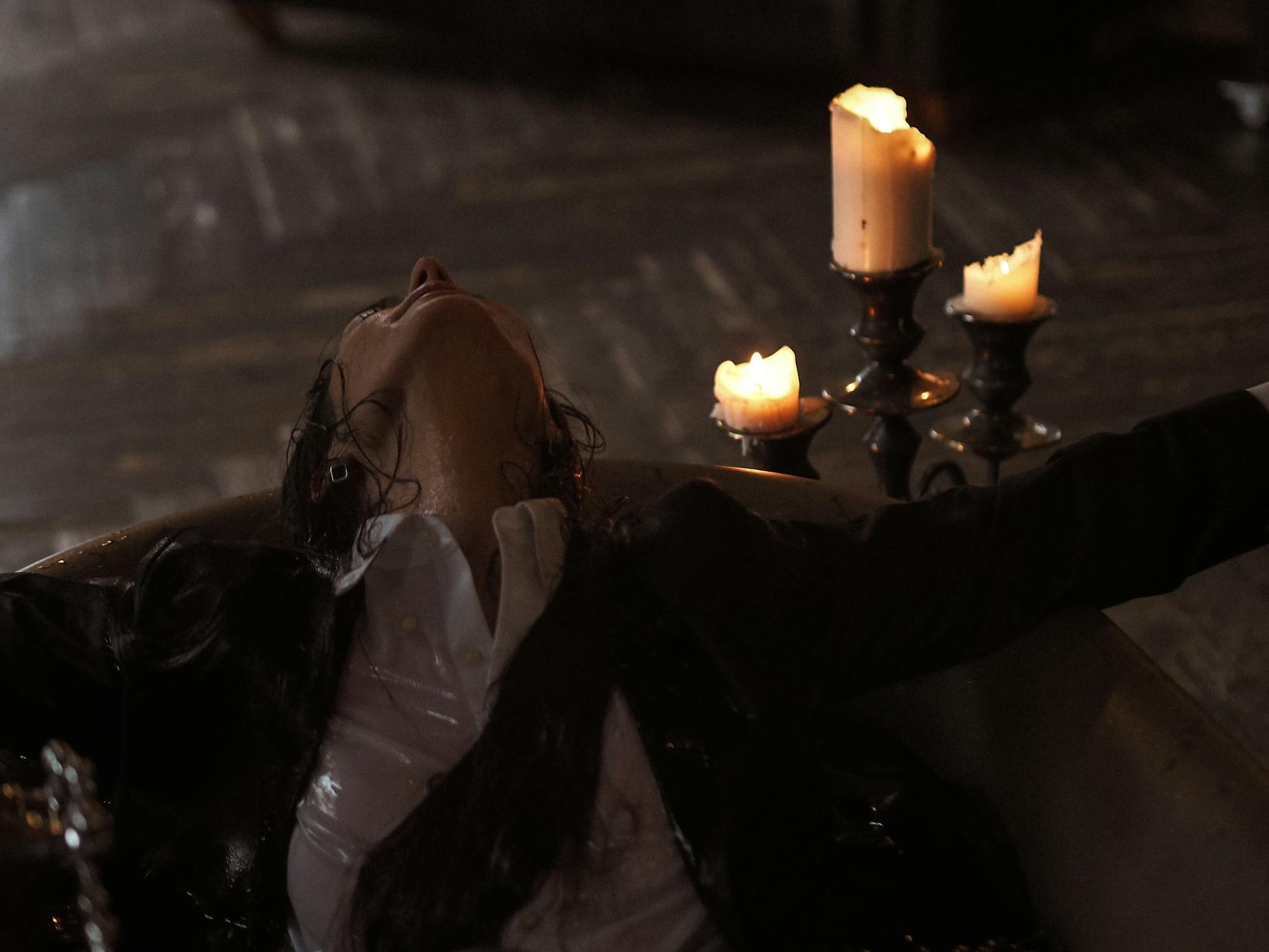
Bessie Mundy drowned in her bathtub in Herne Bay on July 13, 1912. The 33-year-old had married Smith two years earlier under the name Henry Williams. A doctor ruled the death accidental, attributing it to an epileptic seizure despite no prior history of epilepsy. Smith inherited her estate, valued at approximately 2,500 pounds.
Alice Burnham, 25, drowned in Blackpool on December 12, 1913, one month after marrying Smith, who used the name George Smith. She had taken out a life insurance policy for 500 pounds shortly before her death. The attending physician concluded she had fainted in the bath, and a coroner’s inquest returned a verdict of accidental death.
Margaret Lofty drowned in her bath in Highgate, London, on December 18, 1914. She was 38 and had married Smith under the name John Lloyd just one day earlier. A life insurance policy for 700 pounds had been purchased before the wedding. The death was recorded as accidental drowning, likely caused by a sudden faint.
How the connection was made
The breakthrough came from a landlady named Josephine Crossley. On December 31, 1914, Crossley read a news report about Margaret Lofty’s death and recognized striking similarities to the death of Alice Burnham, who had drowned in a bathtub Crossley had rented to Smith and Burnham the previous year. She contacted Burnham’s father, who alerted police.
Detectives compared the three deaths and identified a consistent sequence. In each case, Smith had married the woman within weeks of meeting her, arranged for a will naming him as sole beneficiary, purchased life insurance, and reported finding his wife drowned in the bath shortly afterward. Each inquest had concluded the death was accidental, and Smith had collected the insurance payout without suspicion.
Smith was arrested on February 1, 1915, and charged with the murder of Bessie Mundy. Prosecutors later added charges related to the other two deaths under the doctrine of similar fact evidence, a legal strategy that allowed the court to admit details of all three cases to establish a pattern of conduct.
The forensic question
The central challenge at trial was explaining how Smith could have drowned three women in bathtubs without leaving marks of violence or provoking screams loud enough to alert neighbors. No witnesses reported hearing prolonged struggle, and post-mortem examinations found no bruising, scratches, or other signs of physical force.
Home Office pathologist Bernard Spilsbury conducted experiments to determine whether drowning could be induced rapidly and silently. Using a bathtub and a female volunteer in a swimsuit, Spilsbury demonstrated that pulling a person’s legs upward while they were reclining in water caused immediate submersion of the head and rapid unconsciousness. The volunteer lost consciousness so quickly that she had to be revived, and Spilsbury refused to repeat the experiment due to the danger involved.
This demonstration became a cornerstone of the prosecution’s case, but it also highlighted the limits of available forensic evidence. There were no eyewitnesses, no confessions, and no physical proof that Smith had used force. The case rested on circumstantial evidence, the similar fact pattern, and the inference that three identical deaths could not all be accidents.
The trial and conviction
Smith’s trial began on June 22, 1915, at the Old Bailey in London. The proceedings attracted public attention, with crowds gathering outside the courthouse and newspapers publishing daily accounts of testimony. Prosecutor Archibald Bodkin presented evidence of Smith’s aliases, his financial motives, and the nearly identical circumstances of each drowning.
Defense counsel Edward Marshall Hall argued that the deaths were tragic coincidences and that the prosecution had failed to prove Smith caused any of them. He challenged the admissibility of similar fact evidence, contending that the deaths of Burnham and Lofty should not be used to infer guilt in Mundy’s case. Justice Scrutton ruled the evidence admissible, setting a legal precedent that similar fact patterns could demonstrate intent and system in serial crimes.
Smith did not testify in his own defense. The jury deliberated for 22 minutes before returning a guilty verdict on June 1, 1915. Smith was sentenced to death and hanged at Maidstone Prison on August 13, 1915.
What remains debated
Despite the conviction, aspects of the case continue to generate discussion among legal historians and forensic experts. Spilsbury’s bathtub experiment, while persuasive to the jury, was not scientifically rigorous by modern standards and was never replicated in controlled conditions. Some researchers have questioned whether the technique Spilsbury demonstrated could reliably induce unconsciousness without causing injury or audible distress.
The lack of physical evidence meant the case relied heavily on circumstantial inference and the legal doctrine of similar facts. Critics have noted that the doctrine allowed prejudicial information to influence the jury’s assessment of Mundy’s death, raising questions about whether Smith received a fair trial under the standards of the time.
The speed of Smith’s execution and the absence of a formal appeal process meant certain evidentiary questions were never fully examined. No independent pathologist reviewed Spilsbury’s findings, and no alternative explanations for the deaths were thoroughly investigated after Smith’s arrest.
Press coverage and public reaction
The case became a media event, with newspapers referring to Smith as the “Brides in the Bath Murderer” and publishing detailed accounts of his marriages, financial schemes, and courtroom demeanor. The trial was covered extensively in both tabloid and broadsheet publications, and the phrase “brides in the bath” entered popular language as shorthand for seemingly innocent deaths later revealed as murder.
Public interest extended beyond the crime itself to the legal and scientific questions it raised. Spilsbury’s testimony was widely discussed, and his role in the case helped establish forensic pathology as a critical element of criminal prosecution in Britain. The trial also drew attention to gaps in marriage and insurance record-keeping that had allowed Smith to operate undetected for years.
Legal legacy
The Smith case had lasting effects on English criminal law, particularly regarding the admissibility of similar fact evidence. The ruling that evidence of other alleged crimes could be introduced to demonstrate a pattern of behavior became a reference point in subsequent homicide cases and was cited in legal texts for decades.
The case also influenced public policy around marriage licensing and insurance fraud investigation. Following Smith’s conviction, proposals were introduced to tighten record-keeping requirements and cross-reference marriage registrations to detect bigamy and serial fraud schemes.
Where to look next
- Book: “The Magnificent Spilsbury and the Case of the Brides in the Bath” by Jane Robins
- Documentary: “The Brides in the Bath Killer” (CBS Reality)
- Book: “Bernard Spilsbury: His Life and Cases” by Douglas G. Browne and Tom Tullett