

Federal homeland security officials have quietly warned police and emergency workers that some domestic partners are turning to chemical and biological poisons to harm loved ones, while acknowledging that many cases may be misclassified as illness and never reach a courtroom.
The assessment, prepared by the Department of Homeland Security’s Intelligence Division within the Countering Weapons of Mass Destruction Office, reviews a five-year span of incidents and concludes with “moderate confidence” that the use of toxins in intimate partner violence is increasing across multiple states.
Inside the DHS Assessment
According to the bulletin, which was distributed to law enforcement and public safety partners in January, officials drew on local police reports, medical center records, and documented criminal cases to identify a pattern in how domestic partners allegedly use poisons against spouses and significant others.
The document states that many of these incidents initially appear to be natural medical crises. “These cases often initially present as natural illness,” the bulletin notes, because commonly used substances can cause delayed or nonspecific symptoms that resemble stroke, heart trouble, or infection.
DHS analysts warn that this ambiguity can obscure criminal intent, delay intervention, and complicate homicide or attempted murder investigations. When a victim dies without a clear reason to suspect poisoning, a complete toxicology screen may never be ordered, which can leave potential crimes uncharged.
A Pattern in Substances and Settings
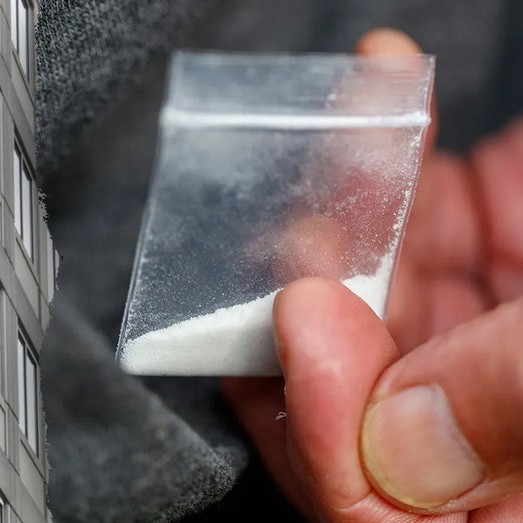
The bulletin highlights a group of chemicals and drugs that appear repeatedly in domestic settings. According to the assessment, frequently cited substances include antifreeze, eye drops containing tetrahydrozoline, fentanyl, cyanide, thallium, colchicine, veterinary barbiturates, and insulin.
Many of these agents are legal to purchase or possess in at least some contexts. Antifreeze is a common household product, insulin is a prescription medication, and eye drops are available over the counter. DHS reports that alleged offenders may exploit this accessibility, and the plausible explanations for having such items in the home.
The bulletin states that the substances are often selected not only because they are obtainable, but because they can mimic or worsen underlying health problems. This overlap with natural disease, DHS says, makes it more difficult for physicians and investigators to distinguish deliberate poisoning from tragic coincidence.
The Colorado Case and Other Prosecutions
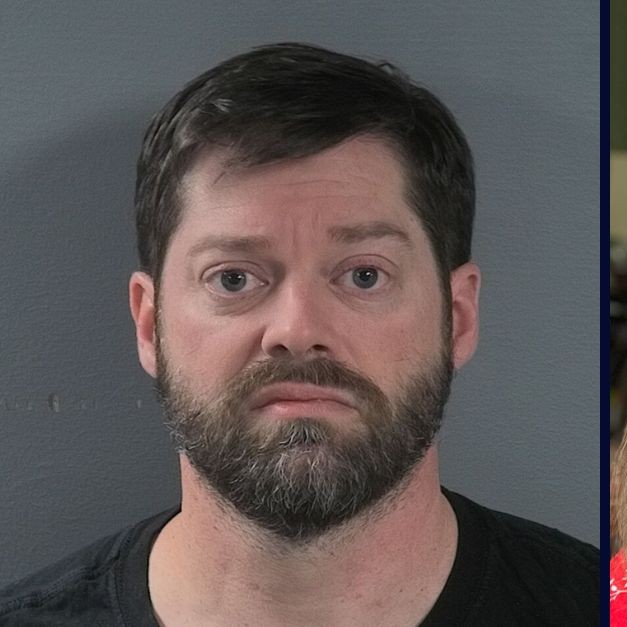
To illustrate how such attacks can unfold, the DHS document points to recent prosecutions. In one case cited in the bulletin, a Colorado dentist was convicted of first-degree murder after gradually poisoning his wife with arsenic, cyanide, and tetrahydrozoline, according to court records and local reporting.
Prosecutors in that case alleged that arsenic was added to the victim’s protein shakes and that she sought hospital care multiple times in a short period for dizziness, headaches, and other symptoms before her condition deteriorated and she died. Investigators later obtained records showing that the dentist purchased several types of poison before his wife’s death.
In other incidents referenced in the bulletin and in public reporting, women in different states have been charged with attempted murder after allegedly using antifreeze or other toxic substances in their partners’ drinks. Those cases remain allegations unless and until resolved in court, but they follow a similar pattern of concealed dosing in private settings.
The Colorado murder conviction, which came only after a detailed toxicology investigation and a complex trial, illustrates how much evidence may be required to overcome the initial appearance of natural illness. It also shows that even when a pattern of poisoning is detected, the path to a guilty verdict can be lengthy and contested.
Why Detection and Prosecution Are Difficult
Medical professionals are often the first to see potential poisoning victims, yet the DHS assessment notes that they may not initially suspect foul play. Many toxins referenced in the bulletin cause symptoms that could be explained by more common conditions, especially in patients with existing health issues.
Without a clear reason to suspect intentional harm, physicians may focus on stabilizing the patient rather than ordering specialized toxicology tests. In some jurisdictions, hospitals are required to report suspected assaults or certain injuries to law enforcement. There is no universal requirement, however, for reporting unexplained illnesses that later turn out to involve rare toxins.
From a legal standpoint, proving a criminal poisoning case can require more than a positive toxicology result. Investigators must often trace the purchase or acquisition of the substance, show how it could have been administered, and establish that the accused had both opportunity and motive. In intimate partner cases, where daily routines and shared access to household items are the norm, those lines can be especially difficult to draw.
DHS analysts caution that when early symptoms are dismissed as infection or stress, key physical evidence may be lost. If a victim is cremated or if medical records do not capture specific lab tests, prosecutors may later face significant hurdles if suspicions arise after the fact.
Risks Beyond the Intended Victim
The bulletin emphasizes that the use of chemical and biological toxins in homes or shared spaces can endanger more than the intended target. Because some of the highlighted agents can contaminate air, surfaces, or water, children, neighbors, caregivers, and first responders may all face secondary exposure risks.
Emergency personnel, who routinely enter homes without protective gear, may be particularly vulnerable. According to the DHS assessment, responders may unknowingly walk into contaminated environments, handle poisoned containers, or perform life-saving measures on a patient who has ingested hazardous substances.
That scenario can complicate investigations as well. If a scene is not treated as potentially contaminated, evidence such as drinking vessels, medication bottles, or food containers may be cleaned, discarded, or otherwise altered before a criminal inquiry begins.
What Officials Say Needs to Change
In its concluding sections, the DHS bulletin calls for increased coordination between federal, state, and local agencies, as well as targeted training for medical staff and first responders. “If the trend of using chemical or biological toxins to kill or harm continues, we may see an increase in fatalities and long-term health consequences for survivors,” the assessment warns.
Officials recommend improved detection tools, such as field testing kits and laboratory capacity for rare toxins, along with better information sharing when hospitals or poison control centers see unusual clusters of symptoms. They also highlight the need for forensic expertise that can connect medical findings to criminal charges.
For domestic violence advocates and investigators, the bulletin raises difficult questions about how often poison is used as a hidden method of control or attempted murder, and how many cases may never be recognized. At the same time, DHS describes its judgment as “moderate confidence,” a reminder that the full scope of the problem is not yet measured.
Whether the federal warning will translate into new state policies, hospital protocols, or criminal statutes remains unresolved. For now, the bulletin places a quiet but explicit responsibility on front-line personnel to treat unexplained illness with a wider lens, and to decide when a medical mystery should also be a criminal question.
Sources
- Fox News: DHS Issues Warning About Trend Of Domestic Partners Poisoning Loved Ones
- Associated Press: Colorado Dentist Is Convicted In Wife’s Poisoning Death