He sat across the street while the house burned, surveillance cameras rolling, as firefighters tried to pull people from the upstairs apartment. Yet, even after a murder conviction, investigators still have not identified exactly how that fire began.
A Deadly Fire on South Avenue
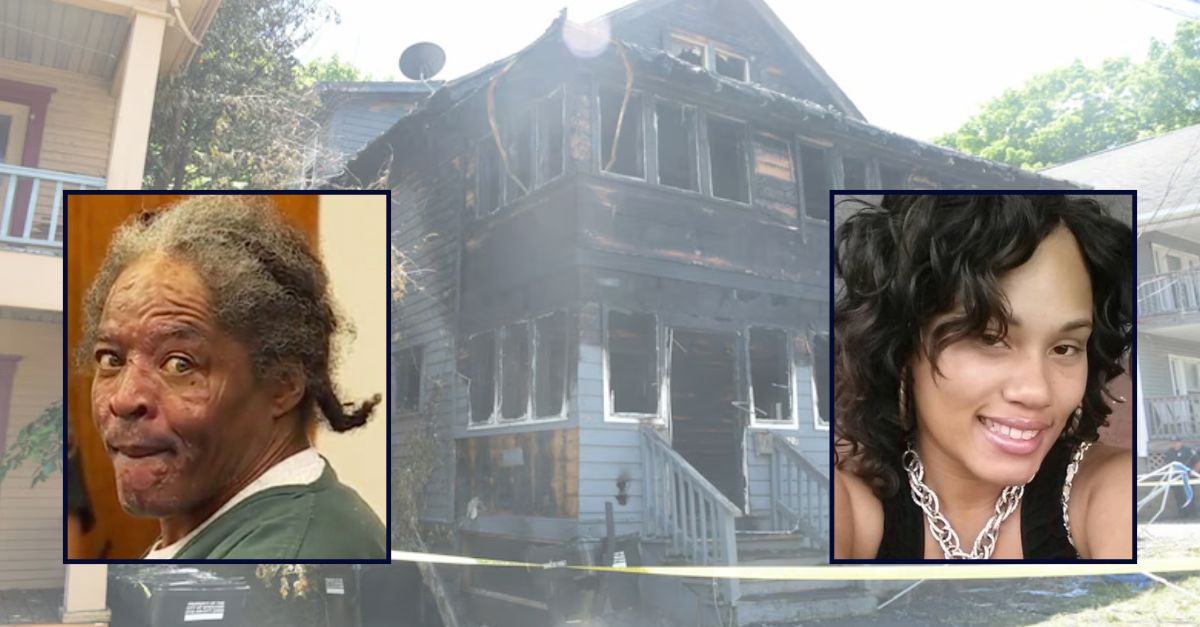
The case centers on a late-night blaze at a two-family home on South Avenue in Syracuse, New York, in June 2024. Prosecutors said 60-year-old Anthony Green started the fire after an argument with his girlfriend, who lived in the building. The flames spread through the structure, and 34-year-old neighbor Shaquoiya Allison, who was asleep in a back room, died of smoke inhalation.
According to reporting by Law&Crime, a jury in Onondaga County found Green guilty in December 2025 of murder in the first degree, three counts of attempted murder, and one count of arson. In January 2026, Syracuse City Court Judge Mary Anne Doherty sentenced him to life in prison without the possibility of parole.
Green maintains that he did not start the fire and plans to appeal, his defense attorney told the court.
A Conviction Without a Clear Cause
One of the most contested facts in the case is also one of its most basic. Investigators never identified a precise ignition source. Prosecutors acknowledged at trial that they could not determine the exact cause of the fire, according to Law&Crime and local coverage by Syracuse.com.
Despite that gap, jurors convicted Green based on circumstantial evidence. That evidence included a documented history of domestic conflict with his girlfriend, surveillance footage of his movements around the time the fire spread, and testimony about alleged statements he made afterward.
New York law allows murder and arson convictions to rest entirely on circumstantial evidence if jurors find that the evidence, taken together, proves guilt beyond a reasonable doubt. The verdict in Green’s case suggests the jury accepted prosecutors’ interpretation of his actions and words that night, even without a pinpointed cause of the blaze.
What Prosecutors Said Happened
On the evening of the fire, Green and his girlfriend, Lorraine Green, argued at the South Avenue residence. The dispute escalated to the point that it prompted a domestic call to police, according to Syracuse.com.
Later that night, five people, including Lorraine Green, were gathered upstairs for a party. Prosecutors argued that Anthony Green intended to kill his girlfriend, not Allison. They told jurors that Lorraine Green wears a prosthetic leg and that, at that hour, she likely would have removed it while socializing, which they said could have made it harder for her to escape a rapidly spreading fire.
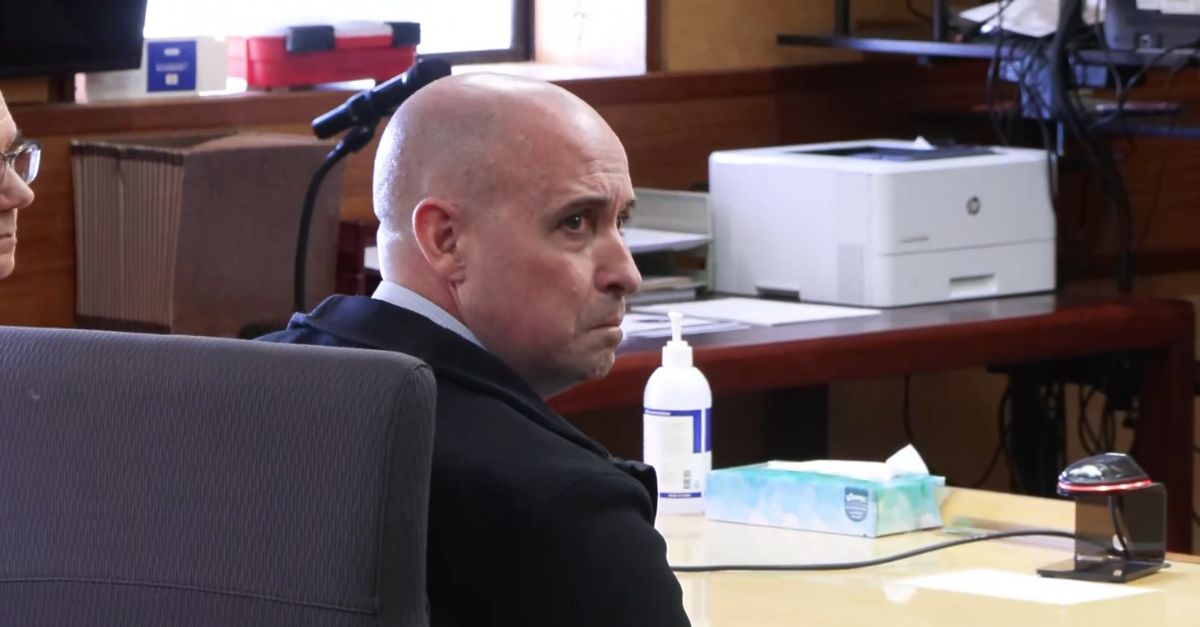
Surveillance video played a central role at trial. According to Law&Crime’s account of the proceedings, footage showed Green initially sitting on the front porch while the building smoldered inside. As flames became visible through the windows and began to climb, the video shows him walking away at a measured pace toward a nearby corner store to buy cigarettes.
Prosecutor Rob Moran highlighted that demeanor to the jury. In his words, quoted by Law&Crime, “The only person who walks away from a fire completely unbothered is the person who set it.”
Additional surveillance footage reportedly showed Green returning to the area and then settling into an empty lot across the street. From there, he could be seen smoking while the home burned and emergency crews responded.
Prosecutors further alleged that Green used an accelerant to help the fire spread quickly. They also told the jury that, according to court documents obtained by Syracuse television station WSYR, Green later admitted to at least one person that he was responsible for the fire.
Allison, who was asleep in a back room, did not survive. Authorities ruled her death a homicide caused by smoke inhalation.
The Defense Challenge
Green’s defense team focused on the absence of a clear forensic cause. They argued that there was no direct physical evidence tying him to the fire’s ignition point. According to Law&Crime, defense counsel said investigators could not show how or where the blaze started, nor could they place an accelerant in Green’s hands.
The defense also sought to undercut the interpretation of the surveillance footage. Walking away from the house and later watching the fire from across the street, they argued, did not in itself prove that he lit it. Without an identified ignition source, the defense suggested that the fire could have started accidentally or in some other way that did not involve Green.
Jurors ultimately rejected that view. Their verdict indicates that they found the combination of domestic conflict, Green’s movements, the alleged use of an accelerant, and his reported post-fire statements sufficient to establish both arson and intent to kill.
Green’s stated plans to appeal mean that an appellate court will likely review how that evidence was presented and whether the trial court applied the law correctly. At present, there is no public appellate ruling to assess. The conviction and life sentence remain in effect.
Inside the Sentencing Hearing
At sentencing, Judge Doherty used unusually strong language from the bench. According to a courtroom report cited by Law&Crime from Syracuse.com, she called Green’s conduct “diabolical.” Addressing him directly, she said, “So evil it defies logic,” and added, “I believe that kind of evil should never be free to hurt anyone again.”
The life-without-parole sentence is one of the harshest available under New York law. In practical terms, it means Green is not eligible to seek release through the parole board. Any change to his status would have to come from a successful appeal or other post-conviction relief.
Remembering Shaquoiya Allison
During the same hearing, the court also heard about who was lost in the fire.
Allison’s mother described her daughter as a caregiver in every part of her life. According to Law&Crime’s summary of the proceeding, Allison worked as a caregiver for two Syracuse-area organizations and also supported family and friends. Reflecting on the loss, her mother told the court, “Our family is shattered.”
An obituary for Allison, cited by Law&Crime, echoed that picture of a person whose work and personal life centered on caring for others. Those details did not change the legal questions in the case, but they framed the stakes of every decision inside the courtroom.
What Remains Unresolved
There is no dispute that Allison died in the South Avenue fire or that Green is now serving life without parole for causing it. The unresolved issues lie elsewhere. Investigators never identified a definitive cause of the fire. The prosecution’s version of events relied on circumstantial evidence and alleged statements. The defense insists that such a case should not have resulted in a conviction.
Green’s planned appeal will test whether higher courts are satisfied that the evidence, even without a known ignition source, met New York’s standard for proof beyond a reasonable doubt. For Allison’s family, that legal debate continues alongside an unchanging fact. A caregiver who went to sleep in her home did not wake up.