


By the time a parent opened a cargo trailer behind a Salt Lake City home, the visit between two teenage friends was already over, the body already dismembered, the scene already scrubbed with cleaning agents. What no one has explained publicly is why one boy never walked back out.
The Killing of a Trusted Friend
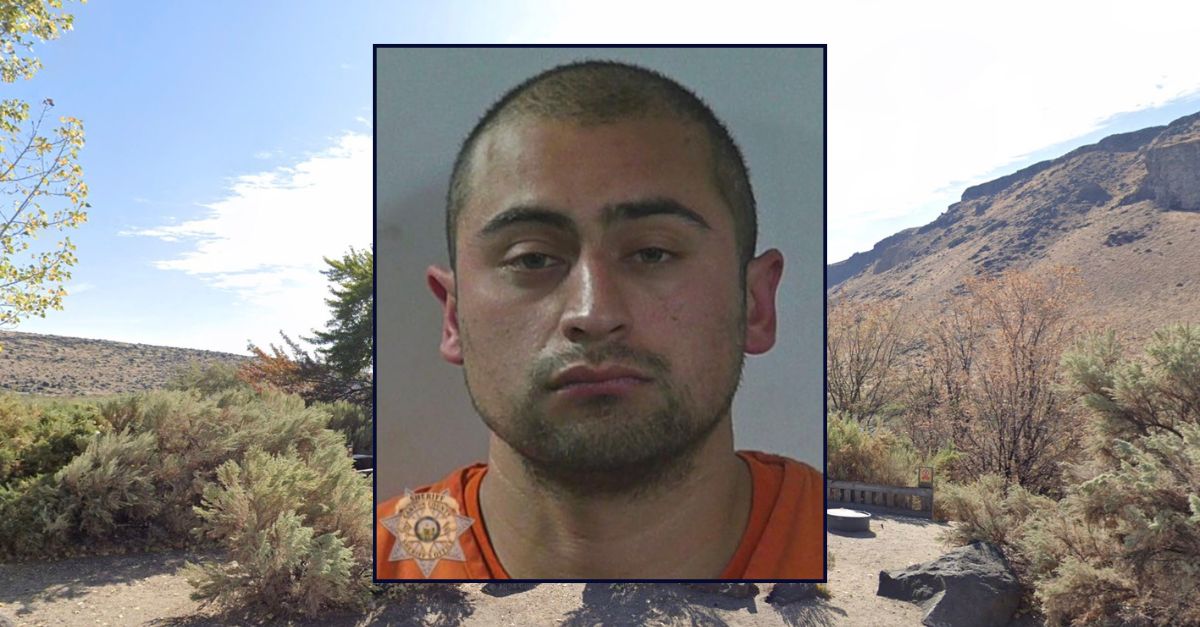
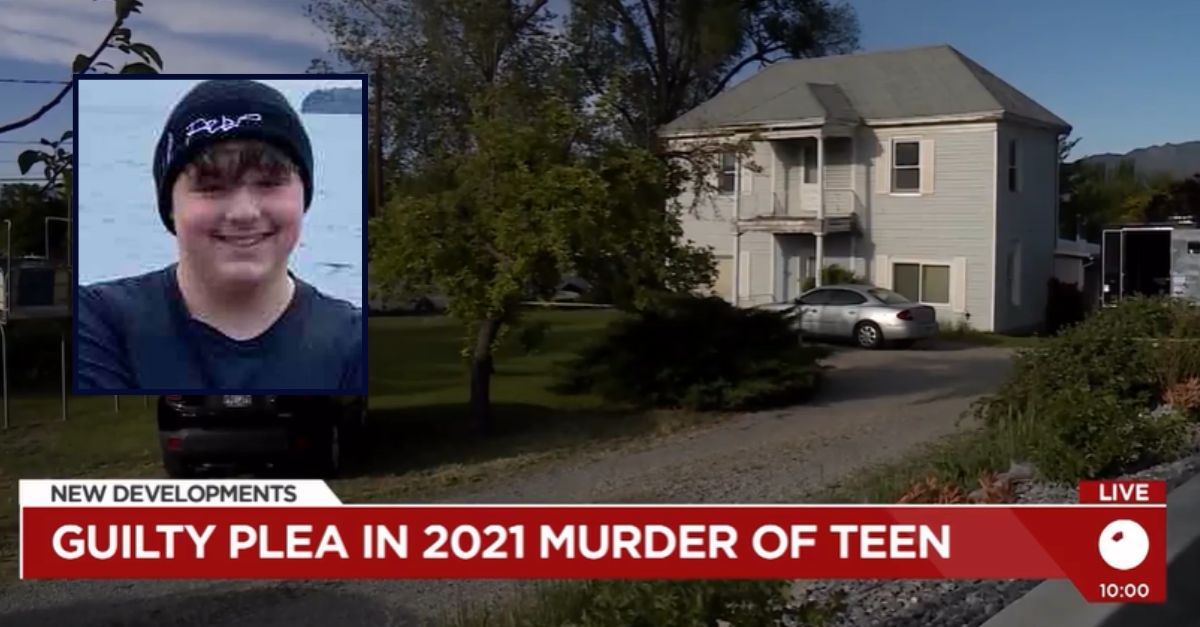
According to charging and sentencing information reported by Law & Crime, Rowdy Lee Aguilar was 17 years old when he killed his 15-year-old friend, Ivan “Nik” Vetecnik, in May 2021 in Salt Lake City, Utah.
Prosecutors said surveillance video showed the two teenagers entering Aguilar’s home together in the late morning. More than three hours later, cameras captured Aguilar leaving alone. His shirt was described in court records as blood-soaked. He was then seen carrying garbage bags toward a nearby business.
Later that day, Aguilar’s father discovered Vetecnik’s remains in a cargo trailer on the property and called the police. Investigators noted in reports cited by Law & Crime that the trailer smelled strongly of cleaning agents. Inside, they found a knife, a bloody leather glove, and part of Vetecnik’s dismembered body. Additional remains were recovered behind the home.
The degree of violence was documented in court filings. Vetecnik had been stabbed more than 30 times. Some of his remains had been chopped up. Those details are drawn from police and prosecutor descriptions summarized in the Law & Crime reporting.
Initial Denial, Then a Guilty Plea
When questioned by police, Aguilar initially denied even knowing Vetecnik, according to Law & Crime. He told officers he had been at his girlfriend’s house all day. Investigators noted cuts on his hands. Aguilar claimed those came from slicing ribs for a barbecue.
That account shifted. Law & Crime reports that Aguilar eventually admitted to killing Vetecnik, telling investigators, “I did it.” Prosecutors and police have not publicly disclosed a motive for the attack. The article states that investigators “never publicly revealed a motive for the attack,” and no further explanation appears in the available coverage.
Aguilar was later charged with aggravated murder. In a plea agreement reached in a Utah state court, he pleaded guilty to aggravated murder with a mental health condition. The specific diagnosis or conditions that supported that plea have not been detailed in the public reporting that is currently available.
A Sentence That Will Stretch Into Adulthood
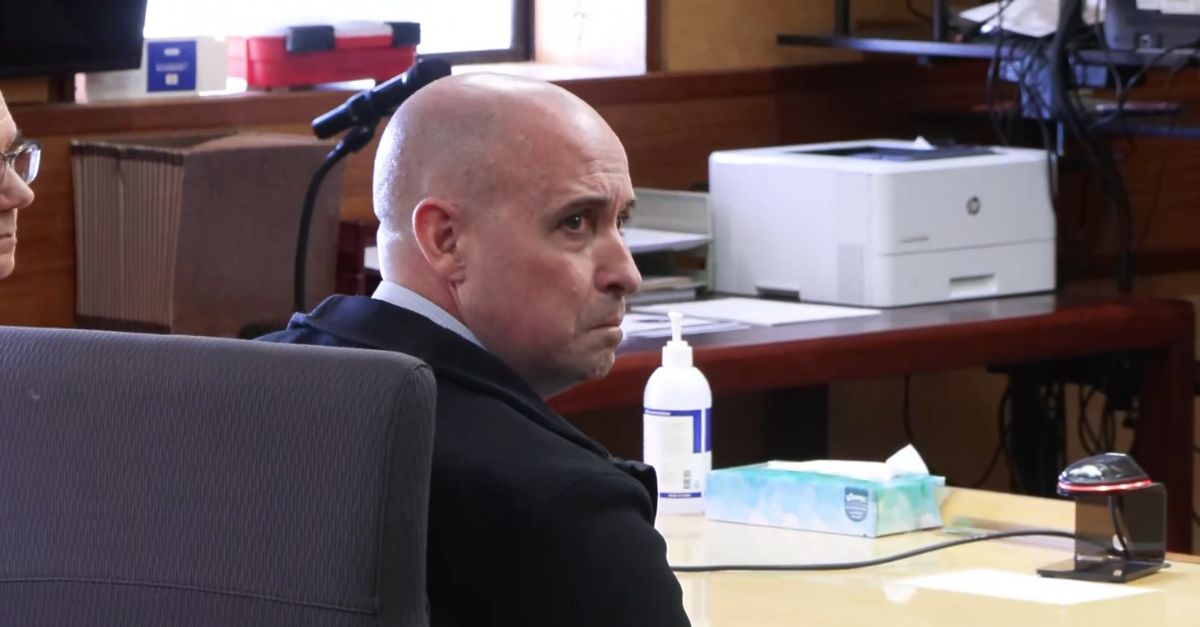
At a recent sentencing hearing, a judge ordered Aguilar, now 21, to serve a term of 25 years to life in prison for killing Vetecnik, according to Law & Crime. Under the sentence, Aguilar will remain in a state youth facility until he turns 25. After that, he will be transferred to an adult prison to serve the rest of his sentence.
The structure of the sentence reflects how Utah treats people who commit serious crimes as minors but are later sentenced as adults. The reporting does not specify the exact minimum time before Aguilar will be eligible to seek parole. The formal range, however, means he faces at least a quarter century in custody, with the possibility that he will never be released.
Law & Crime reports that Aguilar addressed Vetecnik’s family at the hearing. According to Vetecnik’s sister, he apologized and rejected any suggestion that his friend had provoked him.
Family Voices in the Courtroom
Vetecnik’s sister, Samantha VanTreese, delivered a victim impact statement that was described in both Law & Crime and local outlet KSL. Speaking directly to Aguilar, she talked about the trust her younger brother had placed in him.
“You were his friend,” VanTreese said, according to KSL, as quoted in the Law & Crime article. “He trusted you. My brother looked up to you. And in return, you gave him terror, pain, and his last moments alone. I will never understand how a person could do something so cruel.”
She urged Aguilar to think specifically about the individual life that had been taken, not as an abstraction but as her brother. She mentioned his laugh, his innocence, and the family that would live with the loss.
After the hearing, VanTreese described Aguilar’s statement to the family. Law & Crime reports that she recounted his words this way: “He said, ‘I just want the family to know that Nik did absolutely nothing to me. And I’m sorry for being a snake. I’m sorry for being a monster.'” That account of his apology comes from VanTreese’s description of the hearing, not from a transcript released by the court.
Outside the courtroom, VanTreese shared more of her reaction in a public post discussed by Law & Crime and attributed to Facebook. She wrote that the guilty plea “felt like a win” for the family, but also that “no amount of time in prison will ever be enough” because, in her words, “He took my baby brother in the worst way possible.”
Confirmed Facts, Allegations, and What Is Still Unknown
Some pieces of the case are firmly established in the record as described in available reporting. Aguilar admitted to killing Vetecnik. He pleaded guilty in court to aggravated murder with a mental health condition. A judge imposed a sentence of 25 years to life. Investigators documented more than 30 stab wounds and evidence of dismemberment. Those details are consistently reported by Law & Crime, which in turn draws on police statements and court proceedings.
Other elements have been presented as allegations or reconstructions. The timeline inside the house, for example, is based on what prosecutors said surveillance cameras showed and what investigators found in the trailer and behind the home. Aguilar’s initial denial and claim about cutting his hands on ribs are described in police accounts, not in independent recordings released to the public.
There are also gaps. Public reporting has not identified any clear motive. Aguilar, according to his own words quoted through VanTreese, told the family that “Nik did absolutely nothing” to him. Investigators have not put forward an alternative explanation, at least not in documents or hearings that have been summarized in sources such as Law & Crime and KSL.
The mental health component of Aguilar’s plea raises further questions that current reporting does not answer. The legal designation “with a mental health condition” in Utah can reflect a documented diagnosis or other evidence about a defendant’s state of mind. The available coverage does not specify which conditions, evaluations, or expert findings were presented to the court in Aguilar’s case, or how those shaped the eventual plea agreement and sentence.
What is documented is the outcome. One teenager is dead, his remains recovered from a trailer behind his friend’s house. Another, now in his twenties, faces a prison term that could last the rest of his life. Between those facts sits a motive that investigators have not shared publicly and a set of mental health findings that remain largely out of view.
Unless further records are released or additional testimony is made public in future proceedings, the reasons behind a killing that began as a visit between friends will remain known in full only to the people who were inside that house in the hours before the cameras showed one of them walking out alone.