

On a grainy surveillance video from a Key West strip mall, a property owner appears to close in on a younger man he later says he feared. Jurors watched that footage and then rejected his story.
A Late-Night Confrontation Outside Conch Town
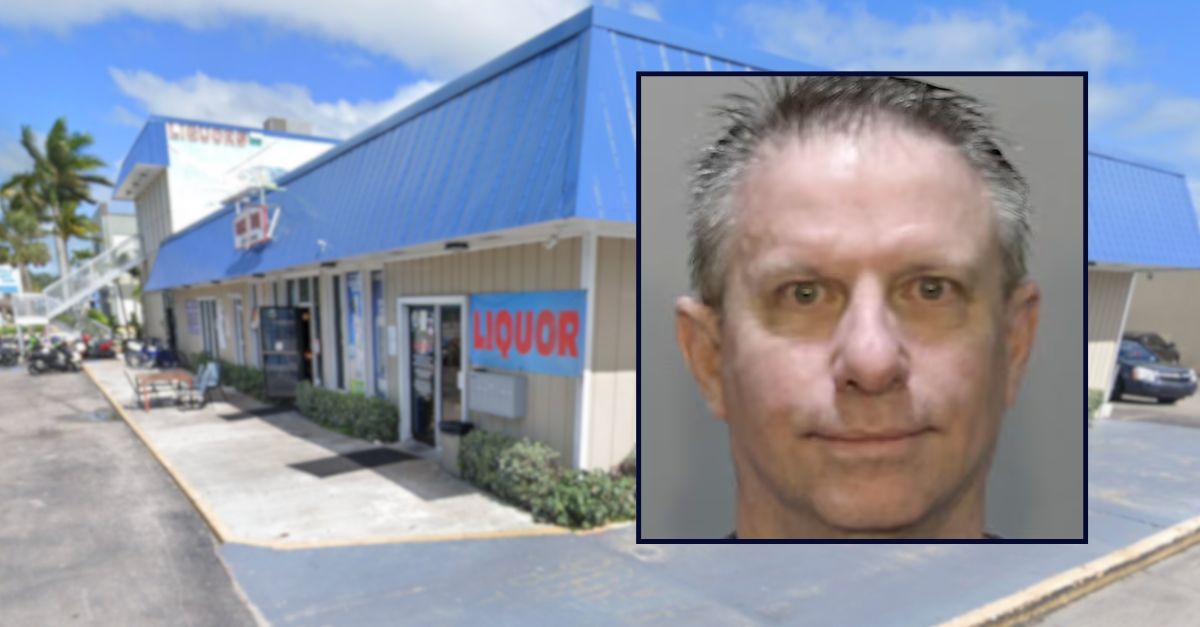
According to prosecutors and court records summarized by Law&Crime, 60-year-old Lloyd Preston Brewer III owned the strip mall that housed Conch Town Liquor & Lounge on Roosevelt Boulevard in Key West, Florida. In February 2023, he confronted 21-year-old Garrett Hughes in the parking lot after Hughes urinated on the side of the building.
Both men had been drinking inside the bar that night. Hughes was shirtless and, by accounts that would later be presented in court, unsteady on his feet. Video from the property shows Hughes urinating on the building, then Brewer approaching him in the parking lot.
Law&Crime reports that surveillance footage, played for jurors, shows an initial confrontation, then Brewer reaching toward his waistband. Police later wrote in a report, obtained by Miami ABC affiliate WPLG and cited by Law&Crime, that Brewer went into a “shooting stance” before the fatal shot.
Brewer fired two rounds. One bullet struck Hughes in the abdomen. Hughes collapsed and died a short time later in an alley behind the bar.
Monroe County State Attorney Dennis Ward previously described the sequence this way to WPLG, according to Law&Crime: “(Hughes) is kind of stumbling around, and (Brewer) pulls up his shirt, pulls out a gun and pumps a shot into his stomach.”
From Second-Degree Charge to First-Degree Murder
Key West police arrested Brewer shortly after the shooting on a charge of second-degree murder. A few months later, in June 2023, a Monroe County grand jury indicted him on one count of first-degree murder, the most serious homicide charge under Florida law.
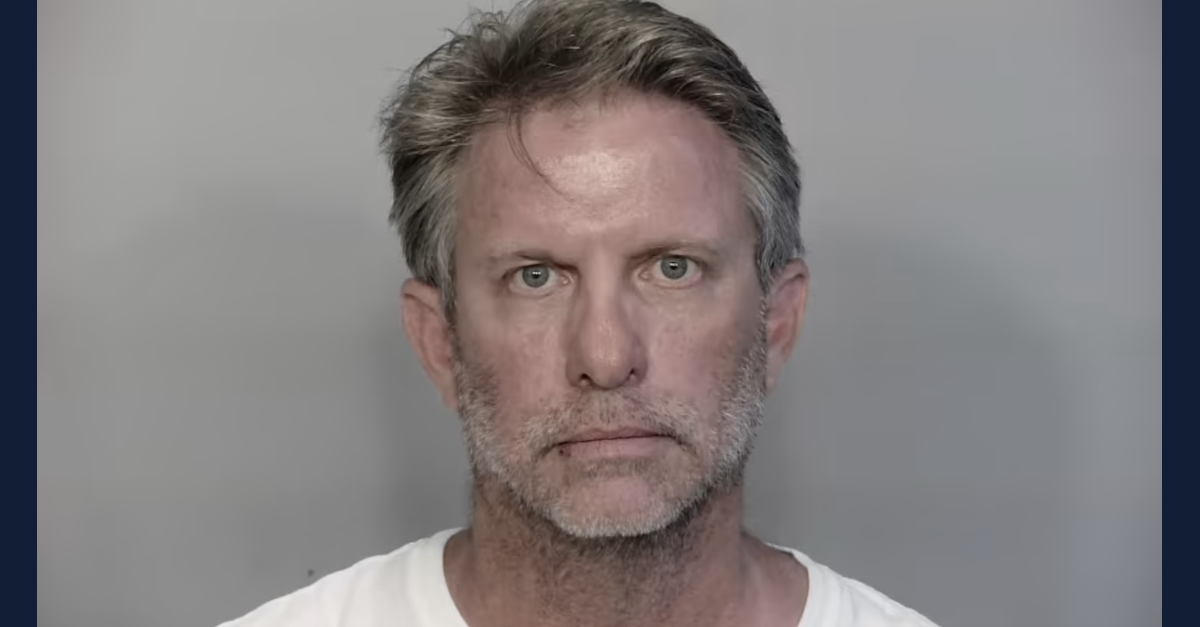
Under Florida statutes, a conviction for first-degree murder typically carries a mandatory sentence of life in prison without the possibility of parole. That is the sentence Brewer now faces following his conviction in Monroe County Circuit Court, according to Law&Crime.
The bar where both men had been drinking has since permanently closed. Brewer, who owned the surrounding strip mall, has remained in custody as the case moved from arrest to indictment to trial.
‘Yes, Hello, I Just Shot Someone’
Brewer did not leave the scene. Instead, he called 911 and immediately framed the shooting as self-defense.
“Yes, hello, I just shot someone,” Brewer told the emergency dispatcher, according to the 911 recording described by Law&Crime.
When the dispatcher asked whom he had shot, Brewer replied, “I don’t know,” then can be heard asking someone nearby for the name of the wounded man. A voice responds, “Garrett Hughes.”
Asked why he opened fire, Brewer said, “He came at me aggressively in my parking lot at Conch Town.” From that first call onward, Brewer claimed he had been forced to shoot to protect himself.
In Florida, people who use force in self-defense can seek immunity from prosecution under the state’s self-defense statutes, often referred to as “Stand Your Ground” laws. Those laws, found in Chapter 776 of the Florida Statutes, justify deadly force if a person reasonably believes it is necessary to prevent imminent death or great bodily harm, provided certain conditions are met, such as not being engaged in criminal activity and not being the initial aggressor.
Law&Crime reports that Brewer maintained this self-defense claim for years during pretrial proceedings. According to the outlet, a state appeals court rejected his bid for immunity in July 2025, clearing the way for a full jury trial on the murder charge.
The Version Jurors Believed
At trial in Monroe County, prosecutors told jurors that the surveillance footage and eyewitness testimony did not match Brewer’s self-defense story.
In a press release quoted by Law&Crime, prosecutors said the video showed Brewer walking toward Hughes, briefly turning away, then returning and advancing a second time with his hand on the grip of a handgun tucked into his waistband. As he closed the distance, they said, he drew the gun and extended his arms into a two-handed shooting stance before firing.
According to that account, Hughes did not trap or corner Brewer in the parking lot. Instead, the state argued, Brewer moved toward Hughes and ultimately cornered him.
Chief Assistant State Attorney Joseph Mansfield summarized the prosecution’s view in a statement provided to Law&Crime. “This was not an act of self-defense,” he said. “The jury saw the evidence, rejected Brewer’s account, and held him accountable for a premeditated killing.”
During the trial, Brewer’s legal team chose not to call any witnesses, Law&Crime reported. Jurors, therefore, did not hear live testimony from Brewer himself or from any expert witnesses backing his perception of threat. The defense instead relied on cross-examination of state witnesses and the argument that Brewer had reasonably feared for his safety on his own property.
Prosecutors told jurors that Brewer’s statements to police, including his description of being charged at, did not align with the surveillance video or with eyewitness accounts. That gap between his narrative and the physical and testimonial evidence became central to the state’s case.
Major Crimes Assistant State Prosecutor Colleen Dunne framed Brewer’s conduct as a deliberate escalation. “This case showed a conscious and deliberate decision to escalate a confrontation into deadly violence,” she said in a statement quoted by Law&Crime. She also credited eyewitnesses who agreed to testify. “We are deeply grateful to the witnesses who came forward and testified, knowing the difficulty and responsibility that come with telling the truth in a murder trial. Their courage, combined with clear video evidence and thorough investigative work, ensured that justice was done for Garrett Hughes.”
Self-Defense, Property Rights, and Use of Force
Legally, the trial turned on whether Brewer’s use of deadly force was reasonable in light of what he perceived and what he did in the moments before he fired.
Florida law gives people significant protection when they defend themselves, including where they have a legal right to be. However, that protection is not absolute. The same statute that shields a person who reasonably fears death or great bodily harm also withholds justification if the person is committing a forcible felony or, in many circumstances, if the person initially provokes the use of force against themselves (Florida Statutes 776.041).
Prosecutors argued that, even though Brewer owned the strip mall and had reason to be upset about public urination on his building, that property interest did not entitle him to meet a nonlethal provocation with a handgun. The significance of the video, in their telling, was that it showed Brewer choosing to approach and re-engage instead of withdraw or call police about a nuisance on his property.
Brewer’s 911 call and later statements, by contrast, emphasized his claim that Hughes “came at” him and that he felt endangered. Without defense witnesses, jurors evaluated that claim primarily through the lens of the recorded footage, police reports, and the accounts of people who watched the confrontation unfold in real time.
A Verdict, a Pending Sentence, and Open Questions
After hearing the evidence, a Monroe County jury found Brewer guilty of first-degree murder. On its own, that verdict forecloses his self-defense justification in this criminal case. The jury’s determination means the panel did not believe his use of deadly force was legally justified under Florida law.
Brewer is scheduled to be sentenced by 16th Judicial Circuit Court Judge Mark Jones in late February, according to Law&Crime. He faces a mandatory life sentence without the possibility of parole.
Some pieces of the encounter remain opaque to the broader public. The surveillance clip is described as grainy, and reporting indicates that the exact moment of the shooting is not clearly visible on the recording. Both men had been drinking, raising questions about perception and judgment that could not be fully explored without testimony from Brewer or expert witnesses on his behalf.
What is clear from the record described so far is the basic outline: a property owner confronted a young man over public urination, left and then came back toward him with a gun, and fired. A jury, after watching the video and listening to witnesses, decided that the sequence did not qualify as lawful self-defense. How appellate courts will view that conclusion, and how this case will sit within Florida’s broader debates over self-defense and the use of deadly force on private property, remains to be seen.