


TLDR
Arizona authorities are investigating the suspected abduction of 84-year-old Nancy Guthrie from her Tucson home on January 31st, 2026. The case appears unusual when compared with FBI kidnapping data, which shows that older adults rarely appear among abduction victims and are seldom targeted by apparent strangers or in circumstances like Guthrie’s disappearance.
Rare Abduction in an Older Age Group
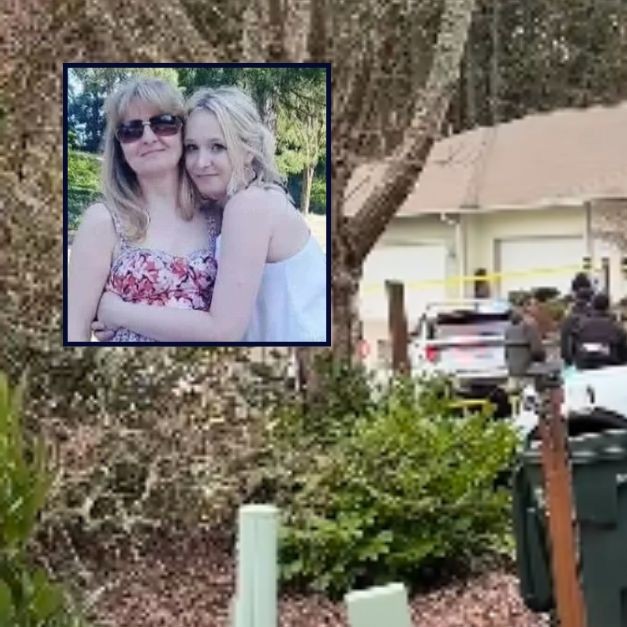
Guthrie, 84, is the mother of NBC “Today” co-host Savannah Guthrie. According to reporting from Fox News, she was last seen on January 31st, 2026, at her home in the Catalina Foothills area near Tucson, Arizona. Family members dropped her off around 9:45 p.m., and investigators say she did not leave the residence voluntarily.
Pima County Sheriff Chris Nanos has publicly stated that Guthrie did not leave the home on her own and that a crime occurred. That framing places the case in the realm of suspected kidnapping or abduction rather than a missing-person scenario involving voluntary departure or medical confusion. Authorities have not announced any arrests or publicly identified a primary suspect.
The apparent abduction of an octogenarian stands at odds with FBI kidnapping figures cited in the same Fox News reporting. From January 2025 through January 2026, federal data recorded 54,653 kidnappings or abductions nationwide. Of those, 604 victims were ages 70 to 79, 168 were ages 80 to 89, and only 27 victims were 90 or older.
Across a broader five-year period from January 2021 through January 2026, kidnappings of people ages 70 to 89 accounted for just over 1% of all abductions in the United States, according to those FBI figures. That statistical backdrop is central to why investigators and former agents describe the Guthrie case as atypical.
Retired FBI supervisory agent James Gagliano, who worked kidnapping cases involving American citizens while serving in Mexico City, described the situation bluntly to Fox News Digital. “I don’t ever remember working an octogenarian (case),” he said. “That’s how rare this is.” He added that when he had previously heard of older victims being taken, it often involved someone removing a parent from a care facility.
Inside the Tucson Investigation
Publicly, authorities have offered only a partial picture of the investigation. Sheriff Nanos has emphasized that the family is not known to be under active suspicion based on his most recent statements referenced by Fox News, and he has said investigators were not focused on any new names as persons of interest at the time of his latest interview.
Investigators have searched the area around Guthrie’s home and have also tried to leverage her pacemaker as a potential lead. According to Fox News, authorities have explored new technology intended to detect a signal from the device, a method that could, in theory, help locate a missing patient if the pacemaker is still functioning and transmitting.
GUTHRIE CASE UPDATE: The masked suspect seen on camera outside Nancy Guthrie’s home reportedly visited the house on a day prior to her abduction, sources tell ABC News. https://t.co/i7ZEbHPQYy pic.twitter.com/lhdjKv2NxD
— ABC15 Arizona (@abc15) February 24, 2026
DNA recovered inside Guthrie’s home has been another focal point, but officials have not publicly confirmed whether those samples have generated actionable results. In a televised interview cited by Fox News, Nanos said it remained unclear whether the DNA collected inside the residence had helped move the case forward.
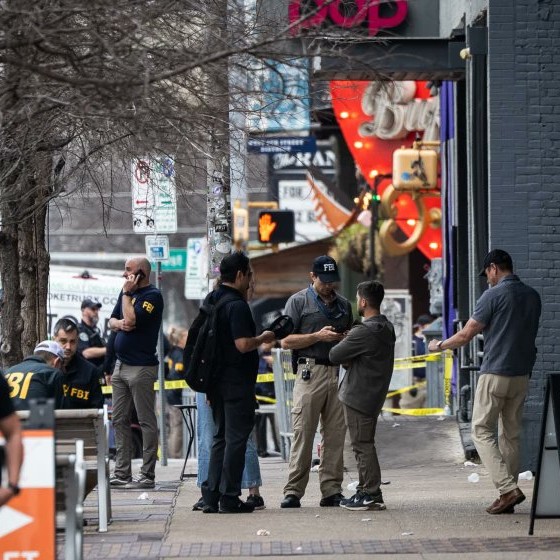
Federal involvement has centered on the FBI, which often supports local law enforcement in kidnapping and missing-person investigations. According to Fox News, FBI officials have spoken of preparing for multiple possible outcomes, using the phrase “parallel realities” while the agency awaits the full analysis of DNA and other forensic evidence.
Gagliano, reflecting on the current posture of the investigation, told Fox News Digital that he remained confident that those responsible would eventually be identified, but he expressed concern about the outcome. “I’m confident that they’re going to find the people that did this,” he said. “I’m just not confident that it’s going to be a rescue or release. I’m fearing at this juncture it might be a recovery.” That assessment underscores the gravity of the case while remaining speculative about Guthrie’s condition.
Ransom Notes, Scams, and Speculation
One of the more unusual elements surrounding the investigation involves ransom communications sent to news outlets. According to Fox News, media organizations have received ransom notes tied to the suspected kidnapping, yet federal officials have previously warned the public about fraudulent extortion schemes that attempt to mimic genuine abductions.
The FBI has, in prior public notices referenced by Fox News, described a “proof of life” scam in which scammers manipulate photographs from social media and pressure families for payment based on false claims that a loved one has been kidnapped. Those warnings frame at least part of the context in which any ransom demand in Guthrie’s case must be evaluated.
Retired FBI Special Agent Robin Dreeke, speaking to Fox News Digital, argued that the ransom notes associated with Guthrie’s disappearance were consistent with opportunistic fraud rather than a coordinated kidnapping-for-ransom operation. He characterized them as “spearfishing,” a targeted form of scam that relies on specific personal information to make a fake demand seem plausible.
Dreeke went further, offering his own theory of the case. He told Fox News that he believes Guthrie’s disappearance may be tied to a home burglary that went wrong, rather than a complex kidnapping plot. “Not only is it extremely rare for an elderly person to be targeted in this way, it’s even more rare to be targeted in this way,” he said. “This was not some complex thing. This was a home burglary, I think, for a very specific item… like they typically target with the elderly.” He also speculated that whoever was responsible may have believed older homeowners are less likely to notice missing possessions.
Law enforcement officials have not endorsed any single theory publicly, and no charging documents have been filed that would confirm whether the case is being treated primarily as a kidnapping, a burglary, or another specific offense under Arizona law. For now, these explanations remain expert opinion rather than established fact.
Data on Kidnapping and Age
The FBI figures cited in Fox News reporting highlight why the Guthrie case stands out from broader national patterns. Between January 2025 and January 2026, more than 54,000 kidnappings or abductions were reported in the United States. More than 36,000 of those incidents involved victims taken from a residence, suggesting that homes are a common setting for such crimes across age groups.
Yet within that large total, relatively few victims were elderly. Those ages 70 to 79 accounted for just over six hundred cases in the one-year snapshot, with even smaller numbers above age 80. Over the longer 2021 to 2026 period, older adults remained a little more than 1% of all kidnapping victims, according to the same FBI data.
Another key element of the FBI’s analysis is the relationship between the victim and the offender. Federal data reflect that in most kidnappings, the victim knows the abductor. Offenders are frequently intimate partners, such as a boyfriend or girlfriend, or other acquaintances. In the one-year period cited, just over 5,200 kidnappings were committed by someone described as a stranger to the victim.
In Guthrie’s case, investigators have not publicly detailed whether they believe the perpetrator was known to her. That lack of clarity places the case in a gray area compared with the national statistics, where many kidnapping events are linked to domestic disputes, custody conflicts, or other preexisting relationships.
Because the FBI data are broad and aggregate, they cannot directly explain what happened in a single Tucson home on a single night. They do, however, help frame the investigative challenge. If Guthrie’s disappearance involved a stranger entering her home without a clear ransom motive, it would place the case at the margins of the patterns captured in federal crime reporting.
Unanswered Questions and Next Steps
Weeks into the investigation, key questions remain unresolved in the public record. Authorities have not explained how an intruder may have entered Guthrie’s residence, what specific evidence of a struggle or abduction was recovered inside, or whether any home security footage exists. Officials have also not publicly detailed whether they have traced Guthrie’s financial accounts, phone records, or digital activity for signs of coercion.
Similarly, the status and origin of the ransom notes reported by Fox News have not been fully disclosed. It is not yet clear which, if any, of those communications investigators treat as credible. Given the FBI’s prior warnings about fake ransom scams, distinguishing genuine extortion from opportunistic fraud is a necessary step before investigators can treat any such note as a roadmap to the crime.
On the forensic side, the potential of DNA recovered from the home and the attempt to locate Guthrie’s pacemaker signal represent important, if technical, avenues for progress. Yet the sheriff has acknowledged that the DNA analysis has not, at least publicly, delivered a decisive breakthrough. Whether the pacemaker search will yield anything useful is also uncertain, particularly if the device has been damaged, removed, or is out of range of available detection tools.
Against that backdrop, the Guthrie investigation sits at the intersection of hard numbers and stubborn unknowns. FBI data indicate that elderly kidnapping victims are rare, that most abductors know their victims, and that many offenses tied to older adults involve financial motives or domestic disputes. Guthrie’s disappearance, as currently described, does not fit neatly into any of those categories.
For now, the case remains a mix of confirmed facts, expert assessments, and unanswered questions. Until investigators can connect forensic evidence, communications, and behavior into a coherent narrative, the disappearance of Nancy Guthrie will continue to test both local detectives and national assumptions about who becomes a kidnapping victim, and under what circumstances.