


You might think a hospital is one of the safest places to be — where healing happens, and people are cared for. But on December 4, 2025, a routine visit to Zuckerberg San Francisco General Hospital turned into a nightmare that has left the community reeling and raised urgent questions about safety in healthcare settings.
A Tragic Incident in Ward 86
Alberto Rangel, a 51-year-old social worker known for his dedication and compassion, was fatally stabbed during what should have been a normal day at work. The attack occurred in Ward 86, the hospital’s HIV/AIDS clinic, where Rangel was assisting patients, including Wilfredo Tortolero Arriechi, a 34-year-old patient who had come to speak with a doctor. Despite prior warnings that Arriechi had threatened the doctor earlier that day, the situation escalated fatally when Rangel was asked to escort Arriechi out of the ward. As they walked together toward an elevator, Arriechi allegedly grabbed Rangel from behind and stabbed him multiple times, inflicting fatal wounds to his neck and shoulders.
The Suspect and Charges
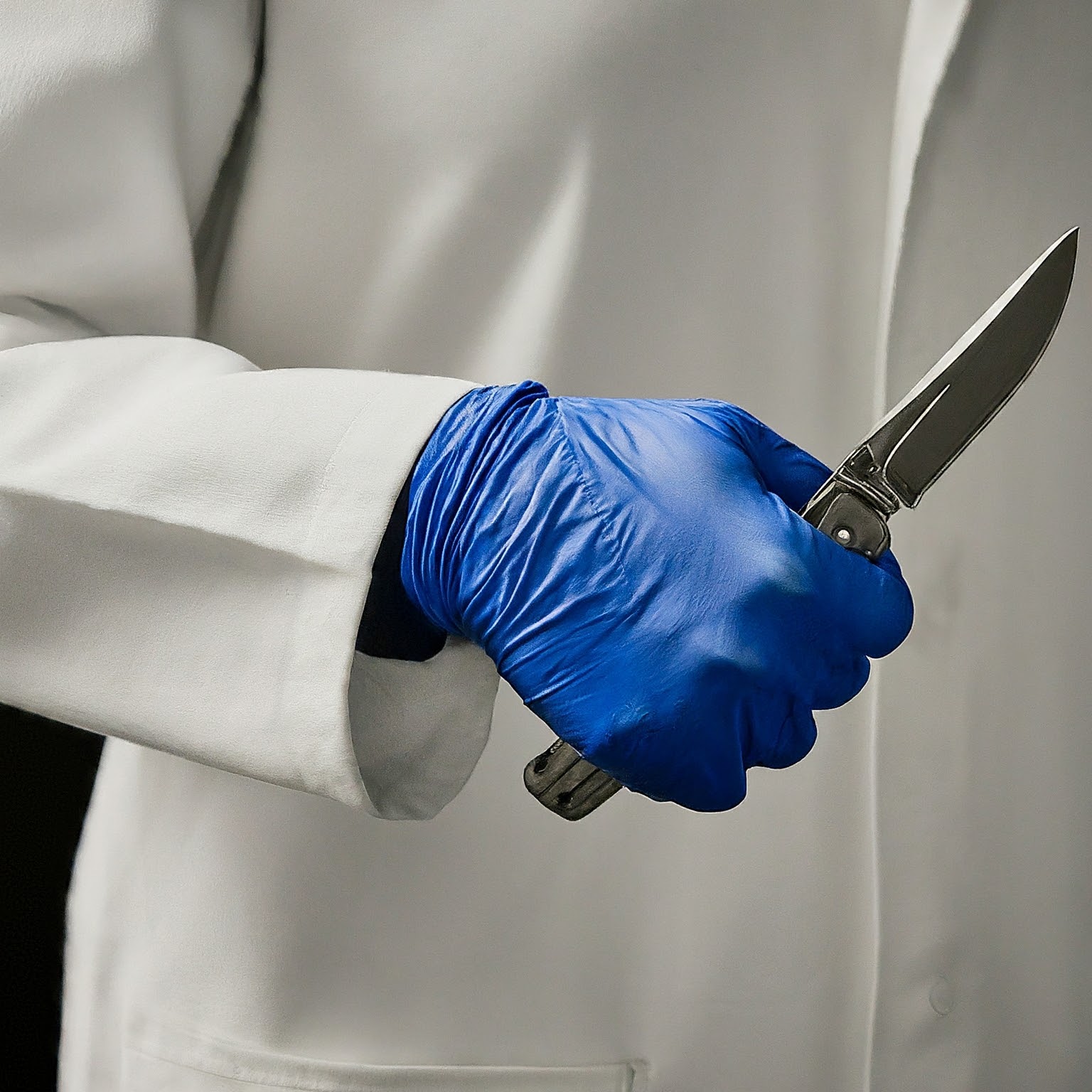
Wilfredo Tortolero Arriechi was reportedly charged with murder and the use of a deadly weapon following the stabbing. Court documents state that Arriechi had concealed a five-inch kitchen knife on his person during his hospital visit. After the attack, a sheriff’s deputy who was providing security for the threatened doctor intervened immediately, restraining Arriechi and securing the scene. Despite emergency medical efforts, Rangel succumbed to his injuries two days later.
Arriechi remains hospitalized in the psychiatric ward of the same hospital, and his arraignment has been postponed due to his ongoing evaluation. This detail adds a layer of complexity to the case, highlighting the challenges hospitals face when treating patients with mental health issues who may also pose a risk to staff and others.
Safety Concerns and Staff Outcry
The stabbing has ignited a firestorm of concern among hospital staff, unions, and the wider community about the adequacy of security measures at Zuckerberg San Francisco General Hospital. Social workers and their union, University Professional and Technical Employees (UPTE), have long raised alarms about insufficient security protocols, lack of metal detectors, and understaffing that leave frontline workers vulnerable. The union has reportedly called for a thorough investigation and immediate improvements to ensure that no one else has to fear for their safety while doing their job.
The San Francisco Deputy Sheriff’s Association criticized the hospital’s recent shift to a “response-only” security model, which reduced the number of deputies stationed on-site and replaced them with unarmed cadets and distant response teams. The union president pointed out that the hospital’s own data showed years of serious assaults and weapons incidents on campus, making the tragic stabbing a predictable outcome of these policy changes.
Hospital Response and Future Measures
In response to the tragedy, the San Francisco Department of Public Health (DPH), which oversees the hospital, reportedly announced a new security initiative aimed at bolstering safety across all its clinics. Measures include adding more security officers, limiting access points, and accelerating the installation of weapons detection systems. The department emphasized its commitment to protecting staff and patients and pledged to conduct a full investigation into the incident to implement both immediate and long-term safety improvements.
Hospital CEO Dr. Susan Ehrlich expressed deep condolences to Rangel’s family and colleagues, acknowledging that the attack should never have happened and promising ongoing efforts to prevent such tragedies in the future, as reported by KRON 4 News.
Remembering Alberto Rangel
Colleagues remember Alberto Rangel as a uniquely compassionate and dedicated social worker who changed lives daily. His coworkers described him as open-hearted and enthusiastic about his work, someone who was deeply committed to helping vulnerable patients, as reported by PEOPLE. The loss has been felt profoundly by those who worked alongside him, with many calling the attack a heartbreaking betrayal of the trust and care he offered to patients.
A vigil held outside the hospital brought together staff and community members to honor Rangel’s memory and to demand change. His union reportedly vowed to fight for safer working conditions, underscoring that grief alone is not enough — action is necessary to protect those who serve on the front lines of healthcare.
What This Means for You
This tragic event is a stark reminder that safety in healthcare settings cannot be taken for granted. If you or someone you know works in a hospital or clinic, it’s important to be aware of the risks and advocate for proper security measures. For patients and visitors, understanding the challenges faced by healthcare workers can foster greater empathy and support for policies that protect everyone in these critical environments.
Hospitals must balance care with security, especially when dealing with patients who may have complex mental health needs. The case of Alberto Rangel and Wilfredo Tortolero Arriechi highlights the urgent need for comprehensive safety protocols that prevent violence before it happens, ensuring that hospitals remain places of healing — not harm.
You deserve to feel safe wherever you seek care, and healthcare workers deserve to perform their vital roles without fear. The hope is that this tragedy will serve as a catalyst for meaningful change, protecting lives and honoring the memory of those like Alberto Rangel who gave so much to their communities.
References: Patient Charged with Fatally Stabbing Social Worker Inside Hospital | San Francisco social worker’s accused killer still in hospital | Charges upgraded to murder against suspect in hospital stabbing of San Francisco social worker