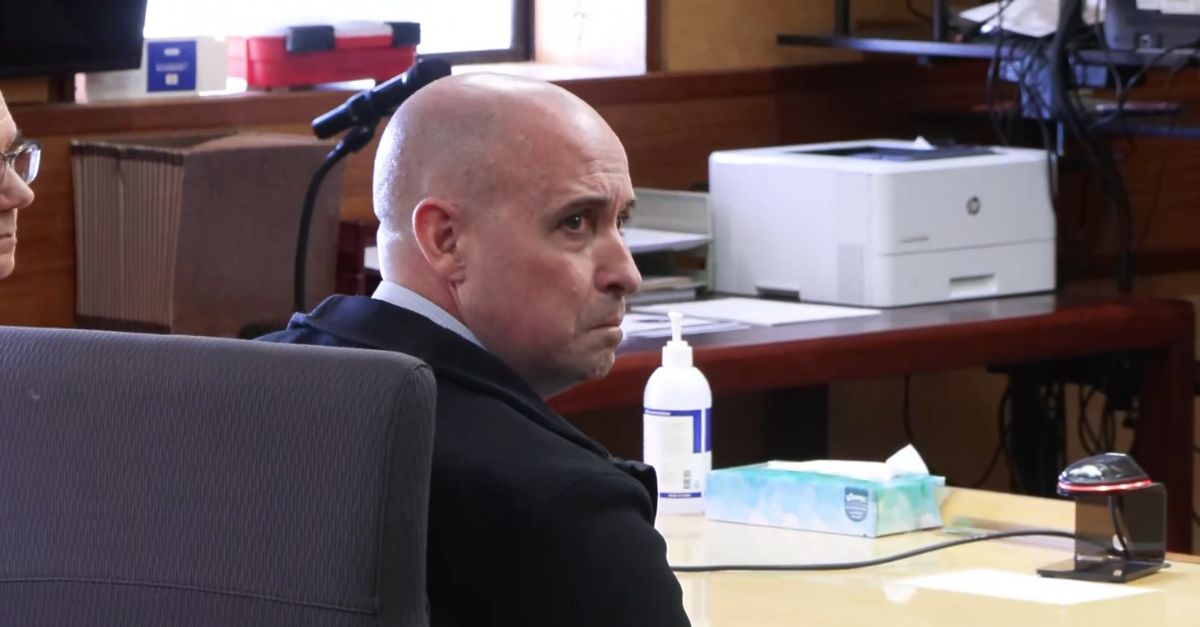



Police Say Family Argument Exposed Hidden Abuse
In Kinston, a city in eastern North Carolina of roughly 20,000 residents, police have charged 37-year-old Joshua Stockton and 40-year-old Amy Gauthier after what investigators describe as repeated abuse of a 3-year-old boy with autism.
According to a public statement by the Kinston Police Department, officers were dispatched to a home on the 400 block of Manning Street in mid January 2026 for what was reported as a domestic dispute between Gauthier and her “juvenile son” over a cellphone. The department later posted details of the incident to its official Facebook page, including the case description and arrest information.
⚠️ WARNING: This post contains descriptions of child abuse and physical violence.
Joshua Stockton, 37, and Amy Gauthier, 40, of Kinston, North Carolina, are in custody following a disturbing investigation into the abuse of a 3-year-old boy with autism.
The case began on… pic.twitter.com/mvAlU5lpVQ
— True Crime Updates (@TrueCrimeUpdat) January 21, 2026
Police say that during the argument, officers learned the juvenile possessed a video recording that appeared to show abuse of a much younger child. “Officers determined the dispute stemmed from the juvenile possessing video evidence depicting the abuse of a 3-year-old child” by Stockton, the department wrote in its statement, as later reported by Law & Crime.
The child in the video is described by authorities as Stockton’s 3-year-old son, who is autistic. Police say the boy lived in the home with four other children who were under the care of Stockton and Gauthier. Investigators have not publicly clarified how each child is related to the adults, and they have not released the names of any minors.
What Investigators Say The Video Shows
After obtaining and reviewing the recording, officers described the contents as graphic. The Kinston Police Department said the video “contained graphic content documenting the abuse” and that, because of what they saw, they “immediately expanded” the investigation.
Court records reviewed by Law & Crime include a magistrate’s order that describes, in detail, what officials say appears on the footage. According to that document, Stockton was changing the boy’s soiled diaper and attempting to “restrain” him during the process. The magistrate wrote that Stockton “could be seen [bearing] his body weight on the child, then placing his right hand on the small of the back and taking his left hand covering the mouth and nose, then picking up the child and forcefully slamming the child onto the mattress and holding his hand over the mouth and nose to prevent the child from screaming.”
The order continues with a second sequence that investigators say is also captured on video. “Mr. Stockton is then seen removing his left hand and raising his right hand above his head and bringing his hand down with force across the face of the child with enough force to depress the head of the child several inches into the mattress,” the document states.
Authorities reported that the incident shown in the recording left the 3-year-old with bruising across his face, neck, and legs, along with visible ligature-type marks that officials associated with “strangulation, placing hands over the mouth and nose of the victim.” The magistrate’s order notes that Stockton allegedly “outweigh[ed] the victim by several hundred pounds.” These descriptions remain allegations at this stage, although Kinston police have treated the video as core evidence in the case.
The same court filing alleges that the child had been confined inside a room. According to the order, Stockton is accused of locking the toddler in by “boarding the top half of the doorway with plywood and using a locking gate for the bottom half of the doorway to prevent anyone from entering or exiting without a key to lock.” Investigators have not said how long the room was kept in that condition or whether the alleged confinement is captured on video.
Charges Filed Against Father And Caregiver
After reviewing the video and other evidence, Kinston police obtained multiple warrants against Stockton. According to the department’s statement and subsequent reporting, he faces four counts of assault with a deadly weapon with a minor present, felony child abuse, exposing a child to fire, assault by strangulation, and felony assault on an individual with disabilities.
North Carolina law allows prosecutors to file a separate felony charge for assaulting a person with a disability. Police say the 3-year-old’s autism diagnosis is the basis for that allegation. The “exposing a child to fire” count has not been described in detail in public documents, and investigators have not yet released a narrative explaining that portion of the case.
Gauthier, who police identify as also living in the home and caring for the children, has not been charged with directly inflicting physical harm on the boy. Instead, she faces three counts of felony aiding and abetting and five counts of misdemeanor aiding and abetting. Kinston police have not publicly specified which acts those counts correspond to, but in general, aiding and abetting charges in North Carolina are used when someone is alleged to have knowingly assisted, encouraged, or allowed a crime to occur.
Both adults were arrested after social services intervened. The Kinston Police Department says it contacted the North Carolina Department of Social Services shortly after viewing the video. When DSS workers arrived at the Manning Street address, they took emergency custody of all five children in the home, according to both the police statement and Law & Crime’s review of court records.
A magistrate set Stockton’s bond at 1 million dollars. Gauthier’s bond was set at 100,000 dollars. Both appeared in court in mid January and are scheduled to return at the end of the month. Until then, they remain in the Lenoir County jail, and neither has entered a plea in the case in publicly available records.
The Role Of The Juvenile Witness
One detail that police have emphasized is the role of the older child who shared the video with officers. In its Facebook statement, the Kinston Police Department publicly commended the juvenile for coming forward and preserving the recording. Local coverage has reported that the video was stored on a cellphone that the juvenile controlled.
At this point, authorities have not clarified whether the juvenile is biologically related to Stockton, Gauthier, or both. They have also not said when the recording was made or how long it remained on the device before the family dispute that led to the police call.
For now, officials describe the video as central evidence that prompted an immediate child welfare response. The decision by the juvenile to show it to officers appears to have triggered not only the criminal charges but also the removal of all children from the home pending the outcome of the investigation.
Unanswered Questions Around Oversight And Care
Public records in this case answer some questions and leave others open. It remains unclear how long Stockton and Gauthier had been caring for the 3-year-old with autism in the Manning Street home, or whether there had been prior involvement from social services that has not been disclosed. Officials have not released information about any previous complaints or welfare checks at the address.
It is also not clear from the available documents whether any neighbors, medical providers, or school personnel raised concerns about the child’s condition before the video came to light. The description of physical injuries in the magistrate’s order suggests visible bruising and marks, but investigators have not said how or when those injuries were first documented by professionals outside law enforcement.
Stockton and Gauthier are presumed innocent unless and until proven guilty in court. Prosecutors will still need to authenticate the video, establish when it was recorded, and show that the injuries described in the charging documents align with what appears on the footage. Defense attorneys, who have not yet spoken publicly in detail about the case, will have the opportunity to challenge that evidence.
The next scheduled court date at the end of January may bring additional filings that clarify the timeline, the nature of the “exposing a child to fire” allegation, and the history of state oversight in the home. For now, the most detailed public account of what happened to the 3-year-old comes not from witness testimony in a courtroom but from a cellphone video that a juvenile relative chose to keep, and then chose to share.