



Case overview
On March 2, 1998, 10-year-old Natascha Kampusch disappeared while walking to school in Vienna, Austria. She was held in a concealed cellar beneath a suburban house for 3,096 days before escaping on August 23, 2006. Her captor, Wolfgang Přiklopil, died by suicide hours after her escape.
The morning of March 2, 1998
Natascha Kampusch left her family’s apartment in Vienna’s Donaustadt district around 7:00 a.m. on March 2, 1998. She was walking to school alone on a route she had taken before. Her mother, Brigitta Sirny, reported her missing that afternoon after the school called to say Natascha had not arrived.
Two witnesses came forward within days. A 12-year-old girl told police she saw a man pull Natascha into a white delivery van near the corner of Rennbahnweg and Brioschiweg, close to the school. The witness said she saw the girl resist before being forced into the vehicle. A second witness reported seeing a similar van in the area around the same time.
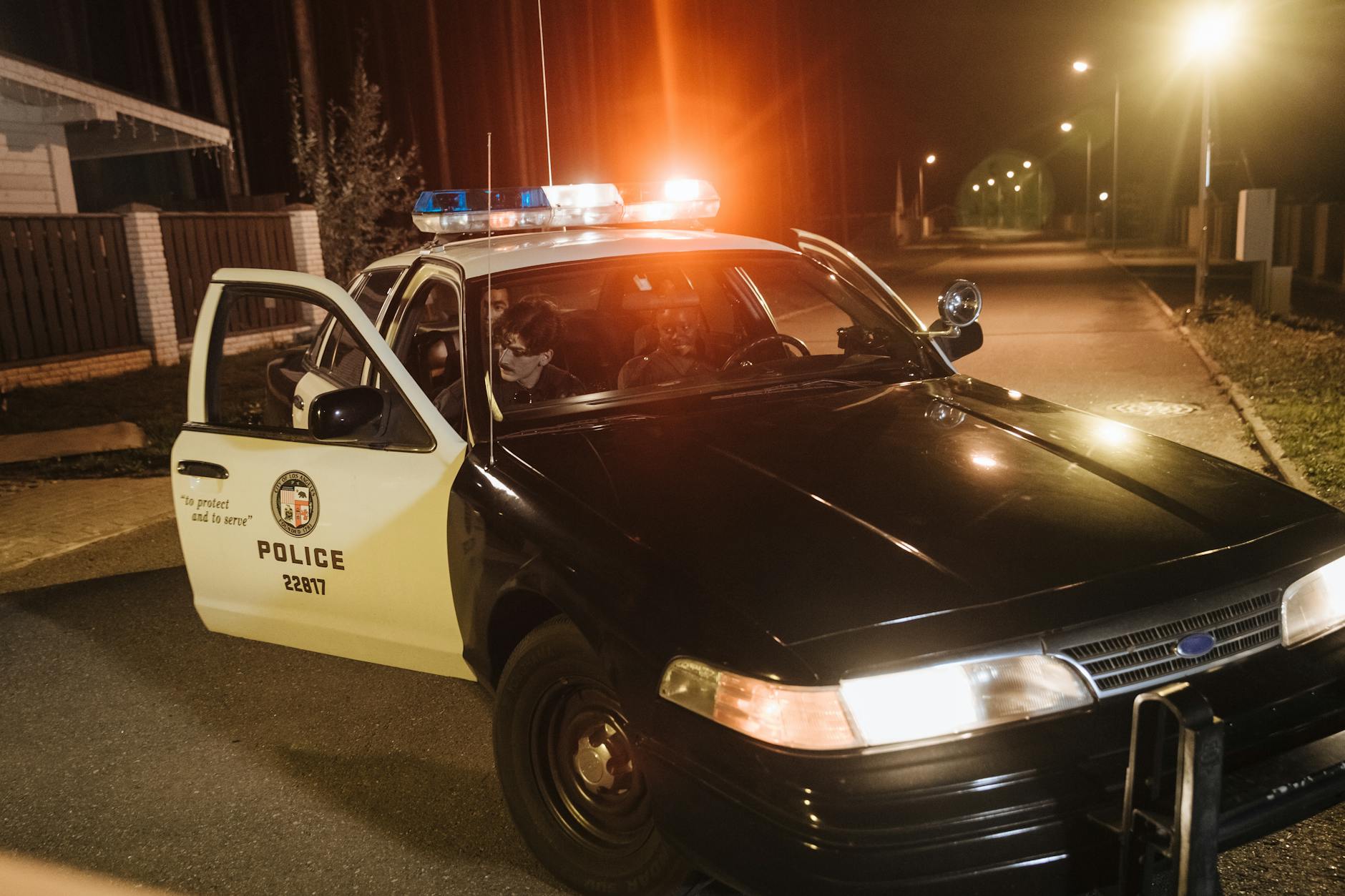
Austrian police launched an immediate search. They canvassed the neighborhood, interviewed family members and classmates, and issued public appeals for information. Despite the witness accounts, investigators could not identify the van or its driver. The case went cold.
The suspect and the property
Wolfgang Přiklopil was 36 years old at the time of the kidnapping of Natascha Kampusch. He worked as a communications technician and lived in Strasshof an der Nordbahn, a town about 15 miles northeast of Vienna. Přiklopil owned a single-family house at 60 Heinestrasse, inherited from a relative. The property appeared ordinary from the outside.
Beneath the garage, Přiklopil had built a hidden cellar. The space measured roughly five square meters and was accessible only through a reinforced door concealed behind a cabinet. The room was soundproofed and equipped with a bed, a small toilet, and a ventilation system. Přiklopil had constructed the cellar years before the abduction, though the exact timeline remained unclear.
Police later determined that Přiklopil had no prior criminal record related to abduction or violent offenses. He lived alone and kept a low profile. Neighbors described him as quiet and unremarkable.
Eight years in captivity
Natascha Kampusch spent the first six months of her captivity confined entirely to the cellar. Přiklopil controlled every aspect of her daily life, including access to food, light, and hygiene. Over time, he gradually allowed her limited movement within the house, though she remained under constant supervision.
Kampusch was occasionally permitted to leave the property under strict conditions. Přiklopil took her on brief outings, including skiing trips, but maintained control through psychological manipulation and threats. She later described the experience as a combination of extreme isolation, physical deprivation, and emotional coercion.
Kampusch was not enrolled in school during this period and had no contact with the outside world. Přiklopil provided her with books and later allowed limited access to television and radio. She stated that she clung to routines and small acts of independence to maintain her sense of self.
The escape on August 23, 2006
On August 23, 2006, Přiklopil was cleaning his white BMW van in the garden of his Strasshof property. Kampusch, now 18 years old, was vacuuming the vehicle’s interior. Přiklopil’s phone rang, and he stepped away to take the call. Kampusch ran.
She fled through the neighborhood and reached a house on Lange Gasse, where she knocked on the door and asked the resident to call the police. The homeowner later told investigators that Kampusch appeared frightened and disoriented but was able to identify herself by name. Police arrived within minutes and took her into protective custody.
Kampusch provided officers with Přiklopil’s name and the address of the property where she had been held. Authorities immediately dispatched units to the Heinestrasse house. By the time they arrived, Přiklopil had fled.
The death of Wolfgang Přiklopil
Hours after Kampusch’s escape, Wolfgang Přiklopil was located near the Wien Nord railway station in Vienna. Witnesses reported seeing a man matching his description walking along the tracks. At approximately 8:59 p.m., Přiklopil was struck and killed by a train. Investigators determined his death was a suicide.
Přiklopil left no written confession or explanation. His death eliminated the possibility of a criminal trial and left many questions about his motives and planning unanswered. Kampusch later expressed frustration that she would never have the opportunity to confront him in court.
What investigators found
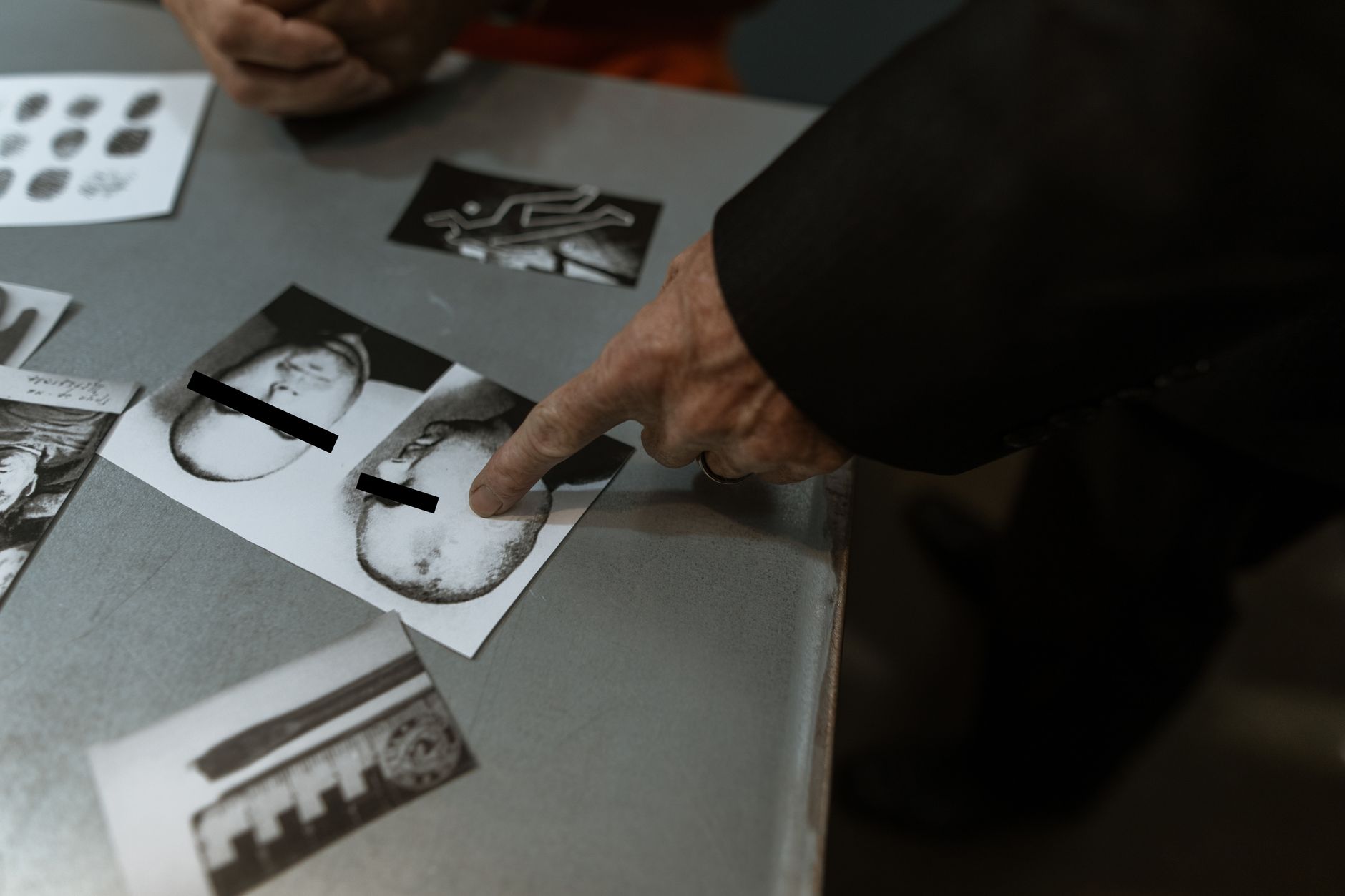
Austrian police secured the Strasshof property immediately after Kampusch’s escape. Forensic teams documented the cellar, the concealed entrance, and the areas of the house where Kampusch had been held. They recovered personal items belonging to Kampusch, including clothing and identification documents that confirmed her identity.
Investigators also examined Přiklopil’s background and movements. They reviewed financial records, phone logs, and surveillance footage from areas near the abduction site. While police confirmed that Přiklopil owned a white van consistent with the 1998 witness descriptions, they were unable to locate the vehicle. Přiklopil had reportedly sold or disposed of it years earlier.
Forensic evidence corroborated Kampusch’s account of her captivity. The cellar showed signs of long-term occupation, and structural analysis confirmed that the space had been deliberately concealed and reinforced. No evidence suggested that Přiklopil had accomplices, though conspiracy theories persisted in Austrian media for years.
The investigation into the 1998 response
Following Kampusch’s escape, questions emerged about the original police investigation in 1998. Advocates and legal observers criticized authorities for failing to locate Kampusch despite early witness reports and a relatively contained search area. Austrian officials launched an internal review to examine whether investigative missteps had prolonged her captivity.
The review identified procedural failures, including incomplete follow-up on witness statements and insufficient coordination between local and federal investigators. Police had interviewed Přiklopil in 1998 as part of a broad canvass of van owners in the region, but he was not considered a priority suspect. Investigators did not search his property at that time.
The findings led to criticism of Austria’s missing-person protocols and prompted reforms in how authorities handle child abduction cases. Kampusch declined to publicly assign blame but acknowledged that earlier intervention could have ended her captivity sooner.
Natascha Kampusch after 2006
After her escape, Natascha Kampusch underwent extensive medical and psychological evaluation. She declined long-term residential treatment and returned to living independently in Vienna. She completed her education, pursued media work, and eventually wrote a memoir detailing her experience.
Kampusch became a public figure in Austria and internationally. She gave interviews, participated in documentaries, and advocated for victims of abuse and abduction. She also faced scrutiny and speculation about her behavior during captivity, particularly regarding instances when she had limited freedom but did not attempt escape. Kampusch addressed these questions directly, emphasizing the psychological complexity of prolonged captivity and coercion.
In 2008, an Austrian court ruled that Kampusch was entitled to inherit Přiklopil’s estate, including the Strasshof property. She later sold the house and donated a portion of the proceeds to child welfare organizations.
Where to look next
- Documentary: “Natascha Kampusch: The Whole Story” (Channel 5)
- Documentary: “3096 Days” (Film)
- Book: “3,096 Days” by Natascha Kampusch