


Case overview
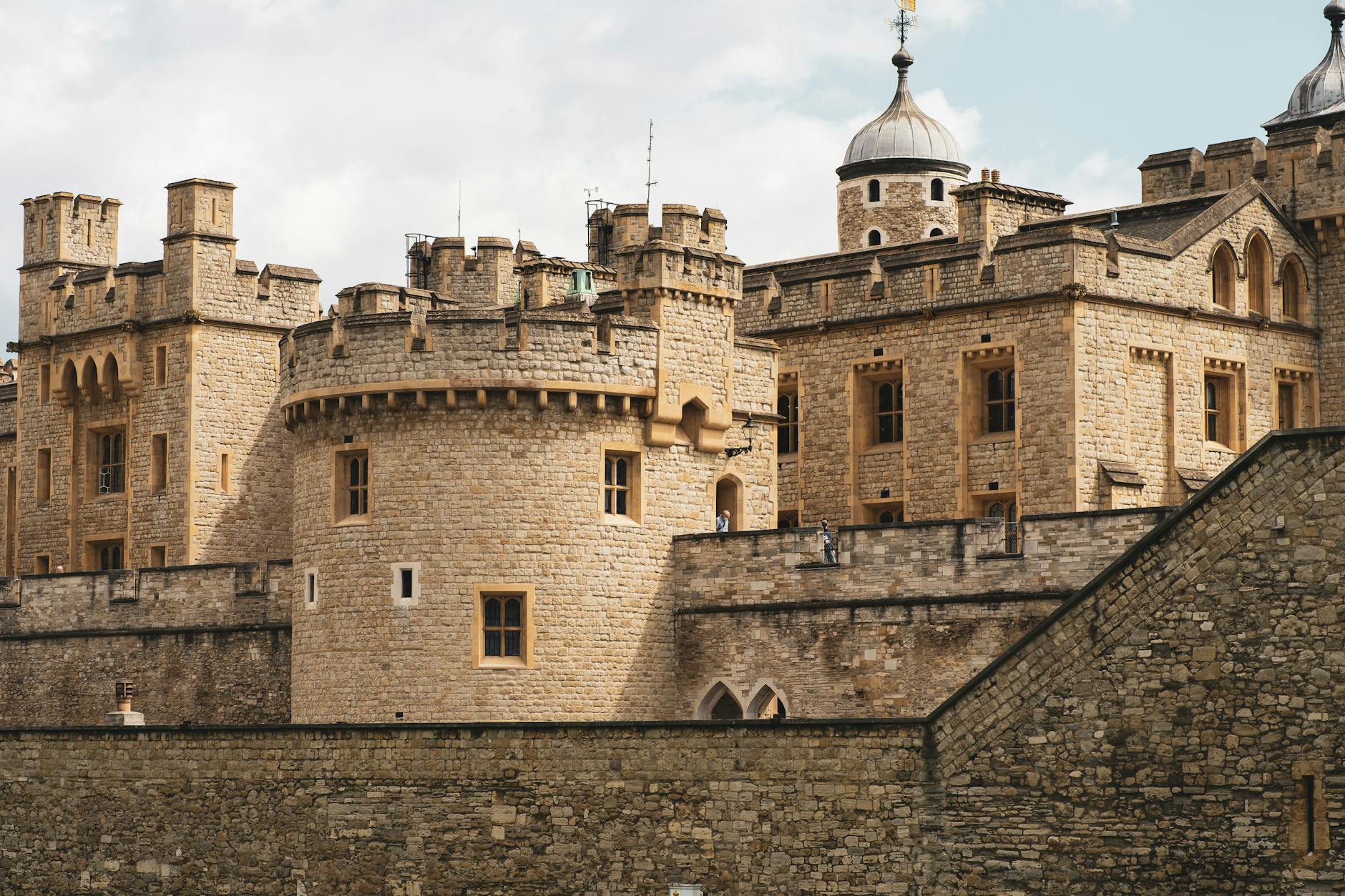
Edward V and his younger brother Richard, Duke of York, were lodged in the Tower of London in the spring of 1483 while preparations for Edward’s coronation moved forward. By summer, their uncle had claimed the throne as Richard III, the boys had disappeared from public view, and no contemporary record confirms what became of them.
The royal succession and the Tower
When Edward IV died in April 1483, his eldest son, twelve-year-old Edward, became king. Richard, Duke of Gloucester, was named Lord Protector and escorted the boy to London. Edward V was installed in the royal apartments of the Tower of London, standard lodging for monarchs awaiting coronation.
In mid-June, Edward’s nine-year-old brother Richard joined him. Their mother, Elizabeth Woodville, had taken sanctuary at Westminster Abbey with her daughters after Richard of Gloucester arrested members of her family and key allies of the late king. The Duke of Gloucester convinced her to release the younger prince, arguing that Edward needed companionship.
The coronation, scheduled for late June, never took place. On June 22, a cleric named Ralph Shaa delivered a sermon at St. Paul’s Cross claiming that Edward IV’s marriage to Elizabeth Woodville had been invalid, rendering their children illegitimate. Days later, an assembly of lords and commons accepted Richard of Gloucester’s claim to the throne. He was crowned Richard III on July 6, 1483.
The last sightings
Accounts from the period describe the princes being seen in the Tower’s gardens and at windows during the early summer of 1483. Dominic Mancini, an Italian observer who left England in mid-July, later wrote that Edward V had been seen less frequently as the weeks passed and that his physician reported the boy feared for his life. Mancini did not witness the princes after Richard’s coronation.
No official record from Richard III’s reign addresses the whereabouts or fate of his nephews. By the time Henry Tudor defeated Richard at the Battle of Bosworth Field in August 1485, the princes had been out of public view for more than two years.
Early accusations and the Tudor narrative
Rumors of the princes’ deaths circulated during Richard III’s reign. In 1484, Richard’s own parliament enacted a law condemning the “shedding of infants’ blood,” though it did not explicitly reference his nephews. By the time Henry VII secured the throne, the assumption that the boys were dead had become widespread.
Henry VII faced several pretenders who claimed to be one of the missing princes. Lambert Simnel posed as Edward, Earl of Warwick in 1487, though Warwick was a different potential claimant, not one of the princes. Perkin Warbeck emerged in 1491, claiming to be Richard, Duke of York. Warbeck’s claim was supported by several European courts and lasted until his capture and execution in 1499.
The narrative most widely circulated in the Tudor period came from Thomas More’s “History of King Richard III,” written around 1513. More described a plot in which Richard III ordered Sir James Tyrell to arrange the murders. According to More’s account, Tyrell confessed to the crime before his execution in 1502, though no independent record of that confession survives. More’s version became the foundation for later portrayals, including Shakespeare’s.
The bones in the Tower
In 1674, workmen demolishing a staircase in the Tower of London discovered a wooden box containing the skeletons of two children. Charles II ordered the bones reburied in Westminster Abbey in an urn inscribed as the remains of Edward V and Richard, Duke of York.
In 1933, the bones were examined by anatomist William Wright and archivist Lawrence Tanner. They concluded the remains were those of two children, roughly the ages of the princes at the time of their disappearance. The examination was limited by the technology available, and the findings were not universally accepted. Subsequent requests to conduct modern forensic testing, including DNA analysis, have been declined by Westminster Abbey and the royal family.
Without DNA comparison or further study, the identity of the remains cannot be confirmed. Some historians argue the bones may predate the 15th century or belong to unrelated individuals.
Alternate theories and historical debate
Richard III’s guilt is not unanimously accepted. Supporters point to the lack of direct evidence, the absence of contemporary charges, and the fact that Henry VII never formally accused him of the murders. Some argue that Henry himself, or his ally the Duke of Buckingham, could have arranged the deaths to eliminate rival claimants.
Buckingham led a rebellion against Richard in the autumn of 1483 and had access to the Tower during the period when the princes likely disappeared. After the rebellion failed, Richard executed Buckingham, but no record survives explaining his motivations or actions during that time.
Other theories suggest the princes survived into the reign of Henry VII, citing the persistence of pretenders and the lack of public acknowledgment of their deaths. No credible evidence supports the survival of either boy beyond 1483.
What the records do and do not show
No payment record, warrant, or official document from Richard III’s reign directly references the princes after the summer of 1483. This absence is notable but not conclusive. Record-keeping in the period was inconsistent, and politically sensitive events were often left undocumented.
Henry VII did not pursue a formal investigation into the princes’ fate, nor did he charge anyone with their murders. His mother, Margaret Beaufort, was involved in the conspiracy to place him on the throne and would have had interest in clarifying the fate of potential rivals. The silence from both the Yorkist and Tudor courts has fueled speculation for centuries.
What remains undisputed is that two boys entered the Tower in the custody of their uncle and protector, and neither was seen publicly again. The question of who was responsible, and whether their deaths were ordered or opportunistic, has no definitive answer in the surviving record.
The case in popular memory
The story of the princes became a symbol of betrayal and dynastic ambition. Shakespeare’s portrayal of Richard III as a scheming villain cemented the narrative in English culture, though historians now recognize that version as propaganda shaped by Tudor interests.
Modern scholarship has reopened the debate. The Richard III Society and other groups argue that Richard has been unfairly maligned and that the evidence against him is circumstantial. The 2012 discovery of Richard’s remains under a parking lot in Leicester renewed public interest and prompted fresh examination of the period’s political dynamics.
Despite centuries of study, the case remains unresolved. The bones in Westminster Abbey offer the most tangible lead, but without further scientific examination, they remain circumstantial. The absence of confession, witness testimony, or forensic certainty means the princes in the Tower will likely remain one of England’s most debated historical mysteries.
Where to look next
- Documentary: “The Princes in the Tower” (Channel 4)
- Book: “The Princes in the Tower” by Alison Weir
- Book: “Richard III” by Charles Ross
- Book: “The Daughter of Time” by Josephine Tey