

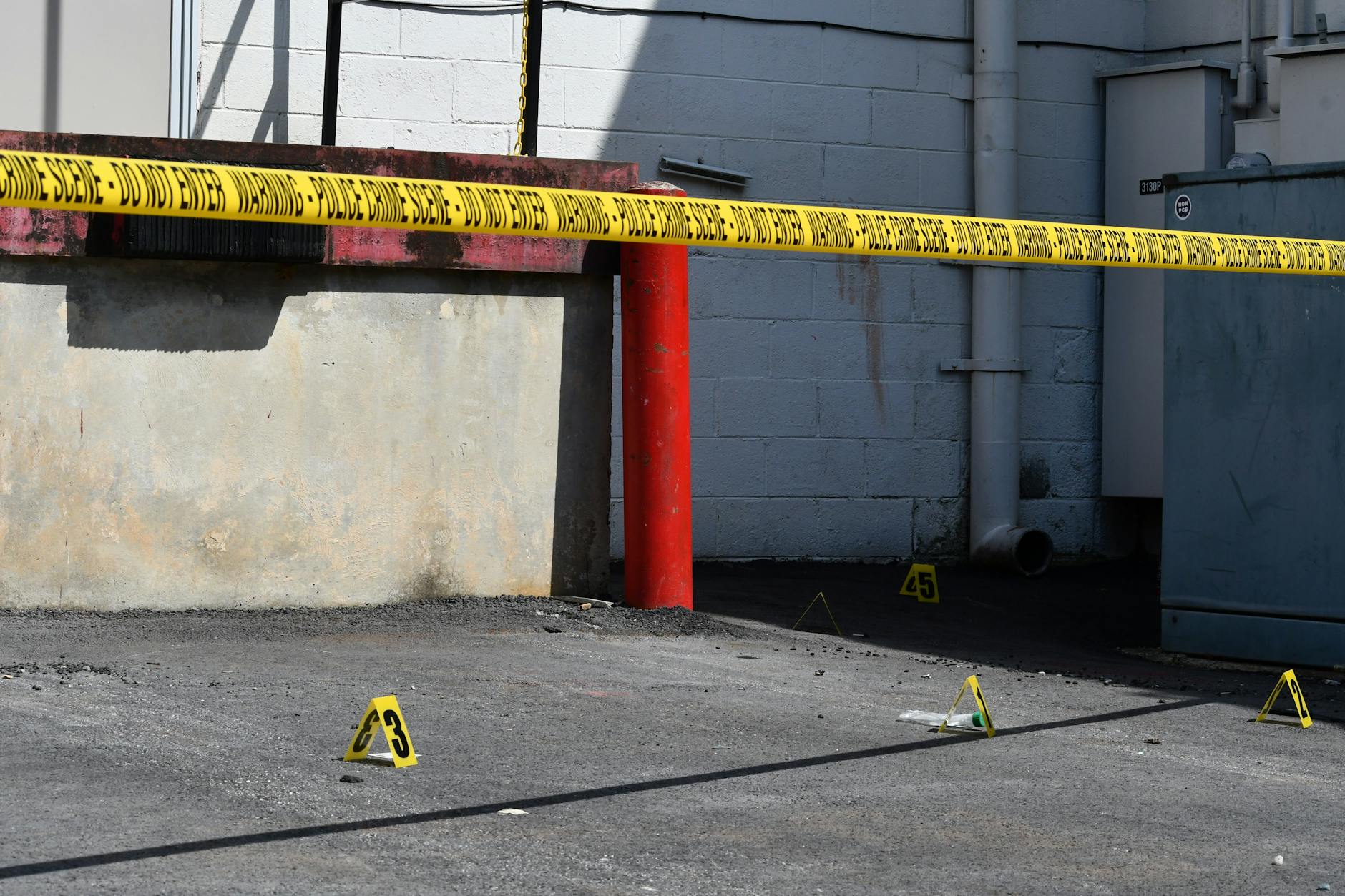
Case overview
On February 1, 1896, a headless body was discovered in an orchard near Fort Thomas, Kentucky, setting off one of the most sensational murder investigations of the late nineteenth century. The victim was identified as Pearl Bryan, a young woman from Greencastle, Indiana, and two dental students—Scott Jackson and Alonzo Walling—were arrested, tried, and executed for her murder. Despite the convictions, Pearl Bryan’s severed head was never found, and critical details about the crime remained unresolved even after both men were hanged.
Discovery and identification
Farmer John Hewling found the body in an orchard two miles from Fort Thomas, across the Ohio River from Cincinnati. The victim had been decapitated. The head was missing. Investigators noted clothing consistent with a young woman of modest means and no immediate signs of struggle at the location.
The missing head complicated identification, but dental records, personal effects, and physical characteristics led authorities to Pearl Bryan, a 22-year-old woman from Greencastle, Indiana. Her family confirmed she had traveled to Cincinnati in late January to visit acquaintances. Correspondence and witness statements established contact with Scott Jackson, a dental student from New Jersey studying in Cincinnati.
The arrests
Investigators focused on Jackson after learning he had arranged to meet Bryan in Cincinnati. His roommate, Alonzo Walling, also became a suspect. Both were students at the Ohio College of Dental Surgery. Both had been with Bryan in the days before her death.
Police recovered a valise belonging to Jackson that contained bloodstains. Witnesses placed Jackson and Walling with Bryan on the night she was last seen alive. Under interrogation, Jackson initially denied involvement, then offered conflicting accounts of Bryan’s whereabouts. Walling maintained his innocence, claiming Jackson had used him without knowledge of any plan to harm Bryan.
Jackson and Walling were arrested in February 1896 and charged with murder. The case drew immediate press attention due to the missing head and the involvement of medical students, fueling public speculation about anatomical knowledge and motive.
The trial and its contradictions
The trial began in April 1896 in Newport, Kentucky. Prosecutors argued that Bryan had been pregnant and that Jackson, seeking to avoid scandal, had induced an abortion that resulted in her death. They contended Jackson and Walling transported her body across the river to Kentucky, decapitated her to prevent identification, and disposed of the head separately.
The defense challenged the prosecution’s timeline and the lack of direct evidence tying either man to the decapitation. No murder weapon was recovered. No witnesses saw the killing. The head was never found despite extensive searches of the area, including the Ohio River and nearby wells.
Testimony from medical experts was inconclusive. Some suggested the decapitation occurred after death, possibly to obscure identity or method of killing. Others noted the clean severance indicated familiarity with human anatomy, aligning with the defendants’ status as dental students but not constituting proof of guilt.
Both men were convicted in May 1896. Walling’s conviction was based largely on his presence and perceived complicity. Jackson’s was rooted in motive and his documented relationship with Bryan. Both were sentenced to death by hanging.
Public fascination and press coverage
The Pearl Bryan murder became a national media event. Newspapers published daily updates, often with sensational and speculative language. Illustrations of the crime scene, courtroom sketches, and witness interviews appeared in papers from New York to San Francisco. The missing head became a focal point of public obsession, with amateur searchers combing the countryside and rumors circulating about secret burials and occult involvement.
The case also became the subject of ballads and popular songs, a common form of storytelling in the late nineteenth century. These songs portrayed Bryan as an innocent victim and Jackson as a calculating villain. The cultural reach of the case extended beyond the courtroom, shaping public perceptions of morality, gender, and crime in the Gilded Age.
Religious groups used the case to advocate for moral reform, particularly around premarital relationships and abortion. Some framed Bryan’s death as a cautionary tale. Others focused on perceived failures of male accountability and legal protection for women.
Execution and final statements
Scott Jackson and Alonzo Walling were executed by hanging on March 20, 1897, in Newport, Kentucky. Both men maintained their composure. Jackson continued to deny killing Bryan but offered no alternative explanation for her death. Walling maintained his innocence entirely, insisting he had been manipulated by Jackson and had no knowledge of any crime until after the fact.
Neither man disclosed the location of Pearl Bryan’s head. Speculation persisted that Jackson had hidden it to prevent a full forensic examination or that it had been destroyed. Some accounts suggested it might have been disposed of in the Ohio River, though searches during and after the trial yielded no results.
The execution was attended by a large crowd and covered extensively by the press. Observers noted the men’s calm demeanor and the absence of any final confession, leaving unresolved questions about the exact sequence of events and the roles each man played.
The missing head and unresolved questions
The failure to recover Pearl Bryan’s head remains the most enduring gap in the case. Without it, the exact cause of death could not be definitively established. Theories ranged from death by botched abortion to poisoning, strangulation, or blunt force trauma, followed by decapitation to obscure evidence.
Some investigators believed the head had been buried separately or submerged in the river with weights. Others speculated it had been incinerated or hidden in a location known only to Jackson. The lack of a confession or credible lead meant the question was never answered.
Forensic limitations of the era also played a role. Modern techniques such as toxicology analysis, DNA testing, and advanced autopsy methods were not available. The investigation relied on witness testimony, physical evidence such as clothing and bloodstains, and circumstantial links between the defendants and the victim.
Legacy and historical context
The Pearl Bryan murder is frequently cited in discussions of late nineteenth-century crime and media. It exemplifies the period’s fascination with violent crime, the role of the press in shaping public opinion, and the intersection of gender, morality, and justice in American society.
The case also highlights the limitations of historical criminal investigations and the ways missing evidence can leave enduring gaps in the record. Despite two convictions and two executions, fundamental questions about the crime remained unresolved, sustaining interest in the case for more than a century.
Pearl Bryan is buried in Forest Hill Cemetery in Greencastle, Indiana. Her grave became a site of public interest in the years following the murder, and her story has been retold in books, articles, and local histories. The case is often included in regional true crime collections and continues to be referenced in discussions of unresolved elements within otherwise resolved cases.
Where to look next
- Book: “Murder and Mayhem in Kentucky” by Kevin Patrick McQueen
- Book: “Wicked Northern Kentucky” by Robert Wilhelm
- Book: “Historic Mysteries of Kentucky” by Brent Cunningham