


Case overview
On December 6, 1991, four teenage girls were found murdered inside an Austin yogurt shop after a fire was set to conceal the crime. Despite confessions from four men that were later recanted and overturned, no one has been convicted, and the case remains one of Texas’s most scrutinized unsolved homicides.
The night shift
Amy Ayers, 13, and Eliza Thomas, 17, were working the closing shift at the I Can’t Believe It’s Yogurt! shop in a North Austin strip mall. Jennifer Harbison, 17, and her younger sister Sarah, 15, had stopped by to visit. All four were inside when the shop was scheduled to close at 11:00 p.m.
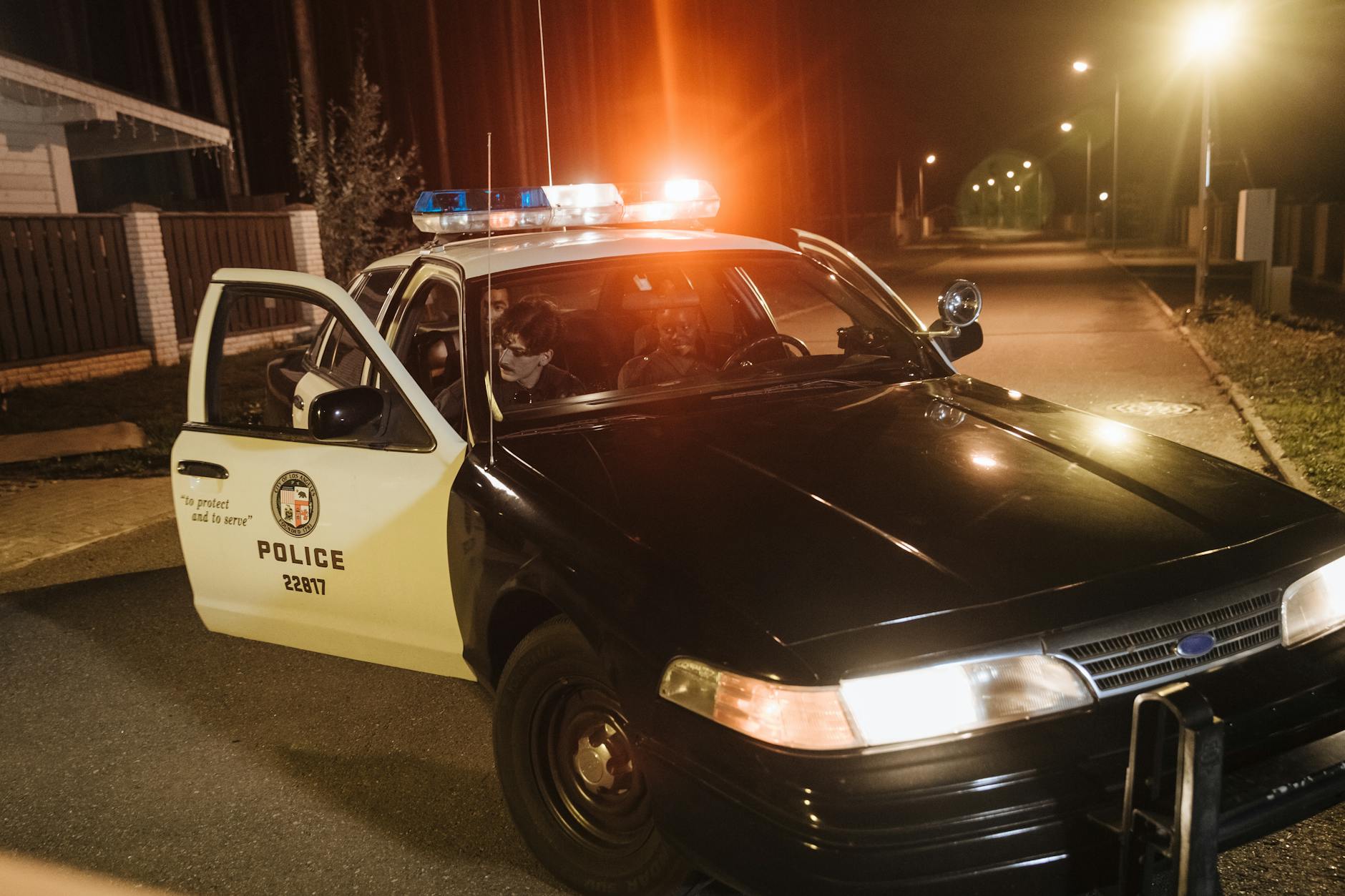
At 11:48 p.m., a patrol officer noticed smoke coming from the building. Firefighters arrived shortly after midnight and extinguished what appeared to be a small fire near the back of the shop. Inside, they found the bodies of all four girls stacked in a rear storage area. Each had been shot in the head. The medical examiner later determined that at least two had been sexually assaulted before being killed.
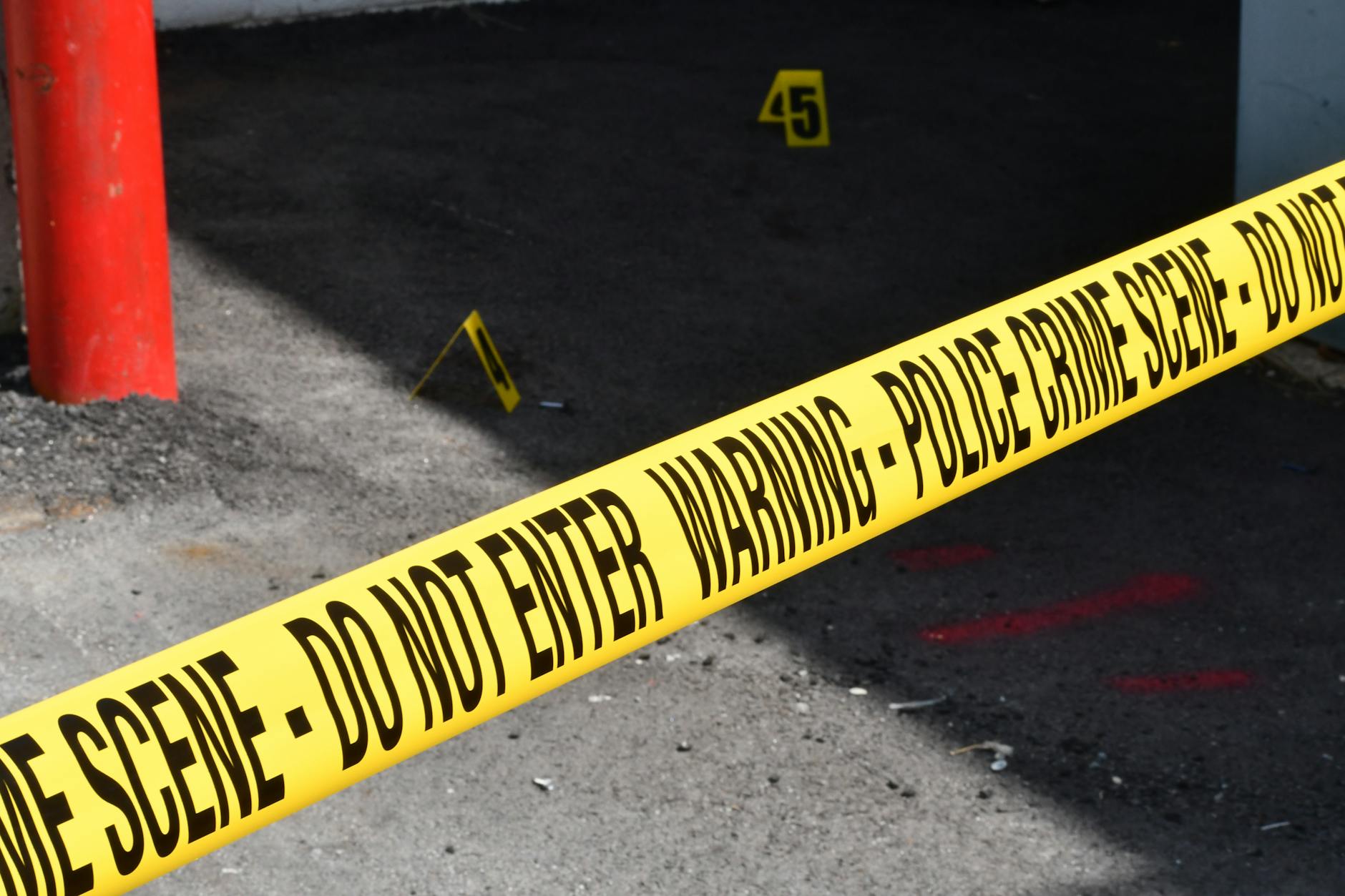
The fire had been intentionally set using accelerant, likely lighter fluid. The bodies were badly burned, but the fire had not spread as intended. Investigators ruled out accident or suicide and began treating the scene as a quadruple homicide.
Initial investigation and evidence
Austin Police detectives found the shop ransacked, with cash missing from the register and the safe opened. Investigators believed the motive was robbery, though the level of violence suggested something beyond a simple theft.
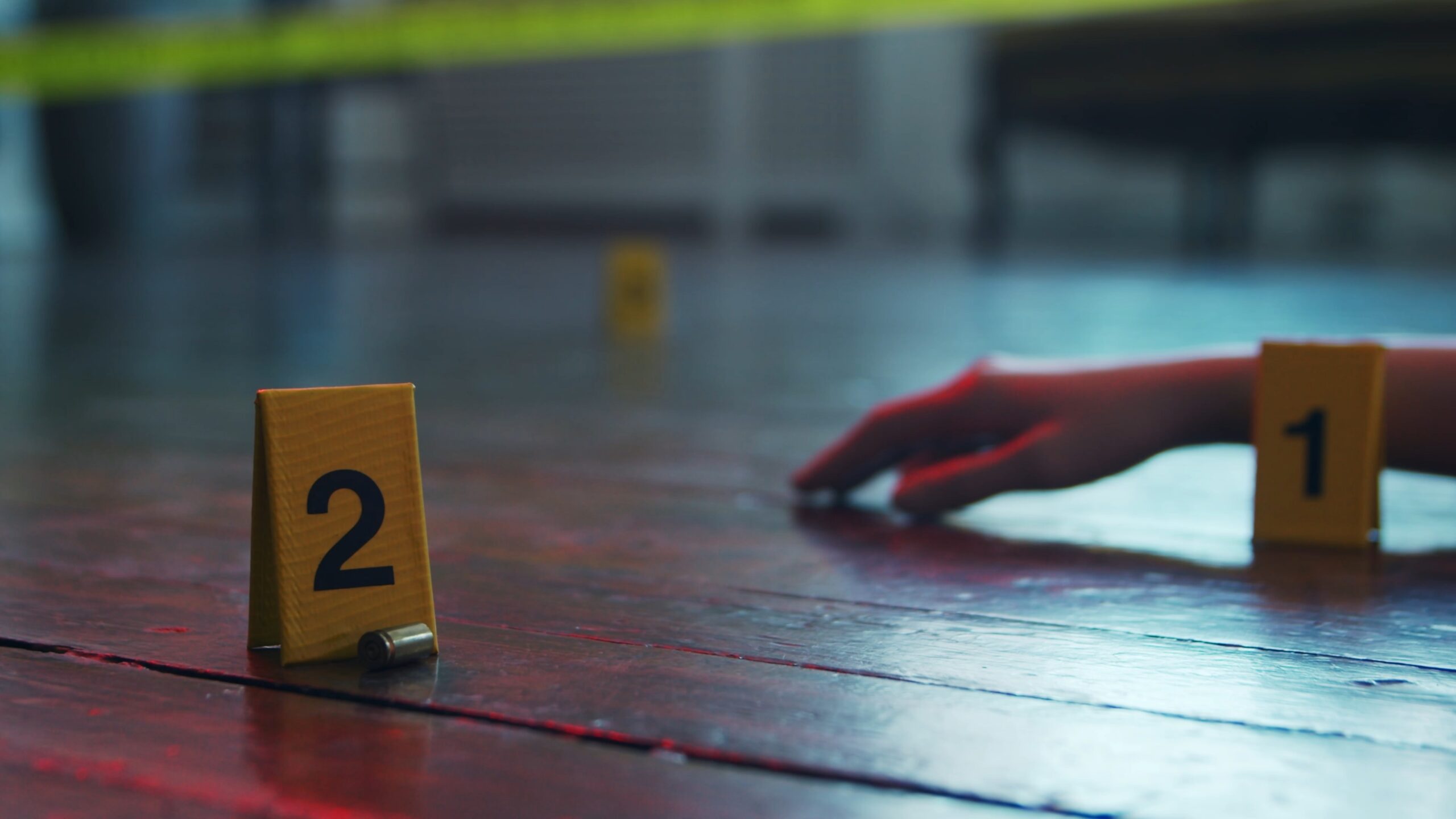
Crime scene technicians recovered shell casings from a .22-caliber and a .380-caliber firearm. They also found ligatures and evidence that at least two of the victims had been bound. Autopsy reports confirmed blunt force trauma and gunshot wounds as causes of death, along with signs of sexual assault on two victims.
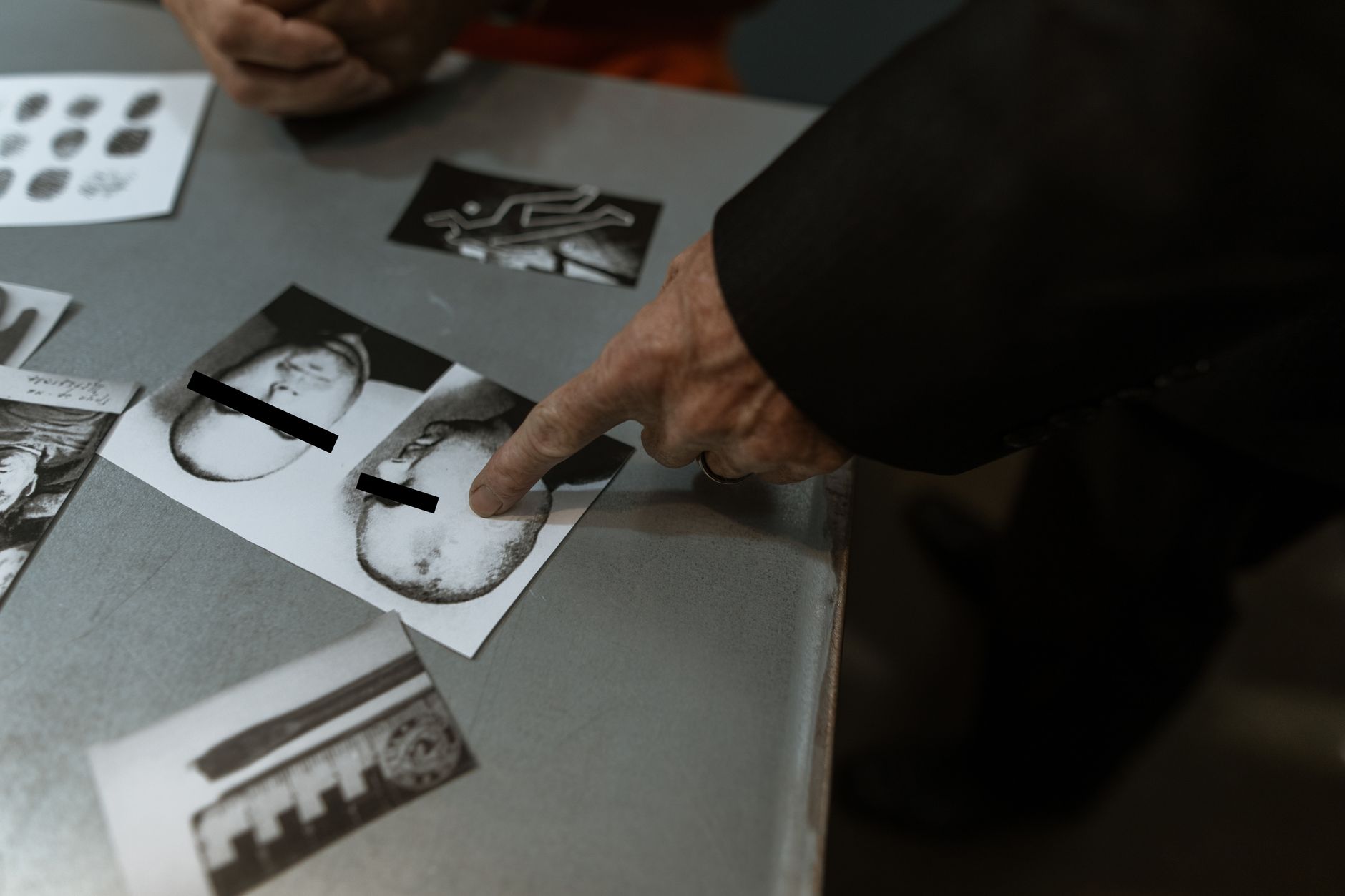
Physical evidence was limited. The fire had degraded much of the forensic material, and DNA technology in 1991 was not advanced enough to produce usable profiles from the degraded samples. Investigators collected fingerprints, hair, and fiber evidence, but none led to immediate suspects.
Community reaction and media attention
The murders became a focal point for local and national media. Parents kept children home from work. Businesses changed their closing procedures. The case was featured on “America’s Most Wanted” and other crime shows, generating thousands of tips.
The families of the victims became vocal advocates for justice, appearing on news programs and pressing law enforcement for updates.
By early 1992, Austin Police had received more than 50 confessions from individuals around the country, none of which could be substantiated. The investigation slowed as leads dried up and detectives struggled to identify viable suspects.
The 1999 breakthrough and confessions
In 1999, nearly eight years after the murders, Austin Police received a tip that led them to four men: Michael Scott, Robert Springsteen, Maurice Pierce, and Forrest Welborn. All were teenagers at the time of the crime and had loose connections to each other through the local punk and alternative music scene.
After interrogations lasting several hours, Springsteen and Scott confessed to participating in the murders. Pierce and Welborn also gave statements implicating themselves and others. The confessions included details about the crime scene, the victims, and the sequence of events.
In 2002, Springsteen was convicted of capital murder and sentenced to death. Scott was also convicted and sentenced to life in prison. Pierce and Welborn were not charged.
Recantations and appeals
Both Springsteen and Scott recanted their confessions shortly after trial, claiming they had been coerced during lengthy interrogations and fed details by investigators. Their defense teams argued that the confessions contained inaccuracies and did not match the physical evidence.
In 2009, the Texas Court of Criminal Appeals overturned both convictions, citing insufficient evidence to corroborate the confessions and concerns about the interrogation methods used. The court found that the confessions alone, without corroborating physical evidence, were not enough to sustain the convictions under Texas law.
Prosecutors attempted to retry Springsteen in 2010, but the case was dismissed when DNA testing excluded him as a contributor to the biological evidence recovered from the scene. Scott’s charges were also dropped. Pierce and Welborn were never charged.
DNA testing and forensic advancements
As DNA technology improved, investigators revisited the evidence collected in 1991. In the early 2000s, forensic labs developed partial DNA profiles from biological material recovered from the victims and the crime scene.
The profiles did not match any of the four men who had confessed. They also did not match any individuals in state or national DNA databases. The results raised questions about the validity of the confessions and whether the wrong men had been targeted.
In 2016, Austin Police announced that advances in DNA technology had allowed them to develop more complete profiles, but still no matches were found. Investigators have continued to submit evidence for testing as new techniques become available, but no arrests have been made.
Current status and ongoing investigation
The Yogurt Shop murders remain unsolved. Austin Police have designated the case as a cold case priority, and a dedicated team of detectives continues to review evidence and follow up on tips.
Investigators have publicly stated that they believe the crime was committed by more than one person, based on the logistics of controlling and killing four victims in a short period. They also believe the motive may have been a combination of robbery and sexual assault, though the exact sequence of events remains unclear.
The families of the victims continue to advocate for justice. They have pushed for additional forensic testing, supported legislation to improve cold case investigations, and maintained contact with law enforcement. The case is periodically featured in media coverage, particularly around the anniversary of the murders each December.
Contested details and investigative challenges
One of the most contested aspects of the case is whether the confessions obtained in 1999 were genuine or coerced. Legal experts and advocates have pointed to the lengthy interrogations, the lack of physical evidence linking the suspects to the scene, and the inaccuracies in the confessions as evidence of false confessions.
Another unresolved question is the identity of the DNA profiles recovered from the scene. Investigators have not publicly identified whose DNA was found, and whether it belongs to the perpetrators or to individuals who were in the shop at another time remains unclear.
The case has also been complicated by the passage of time. Many witnesses have died or can no longer be located. Physical evidence has degraded or been consumed during testing. The original investigators have retired, leaving newer detectives to work with incomplete case files.
Where to look next
- Documentary: “The Yogurt Shop Murders” (Investigation Discovery)
- Book: “Who Killed These Girls?: Cold Case: The Yogurt Shop Murders” by Beverly Lowry
- Podcast: “Texas Monthly Talks: Who Killed These Girls?” (Texas Monthly)