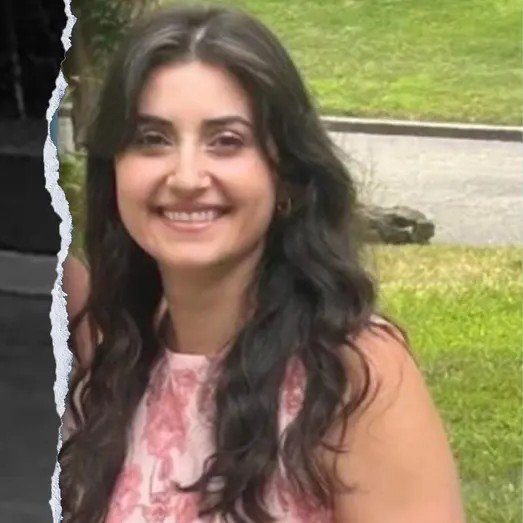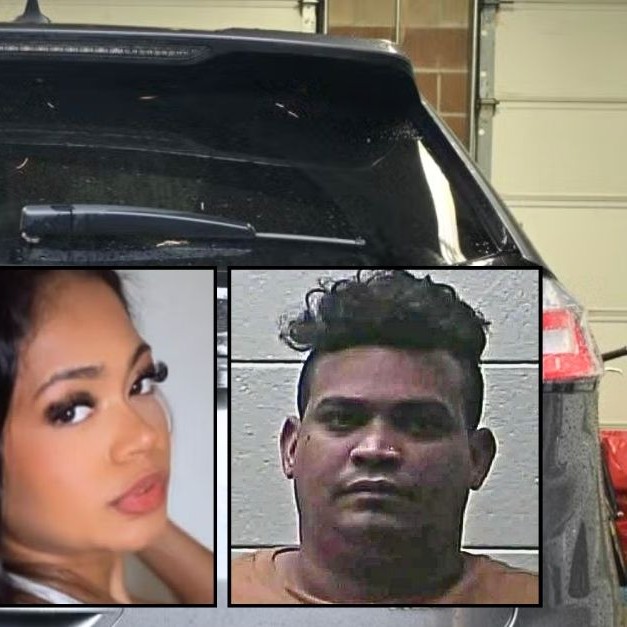


In 2016, a 23-year-old college graduate was found dead in a wooded area of North Carolina. Nearly a decade later, the man investigators accused of killing her arrived back in Charlotte in handcuffs while federal officials celebrated what they described as a historic law enforcement victory.
According to reporting by FoxNews.com in January 2026, FBI Ten Most Wanted fugitive Alejandro ‘Alex’ Rosales Castillo was arrested in Mexico and transferred to Charlotte to face charges in the killing of his former coworker, 23-year-old Truc Quan ‘Sandy’ Ly Le. That account describes the culmination of a long-running international manhunt that began after Le was found dead in 2016 and Castillo disappeared across the border between the United States and Mexico.
A Killing In Cabarrus County
Public records and the FBI’s wanted bulletin for Castillo state that Le was last seen alive in the Charlotte area in August 2016, when she was 23 years old and working at a local restaurant where Castillo had also been employed. Her body was later discovered in a wooded area of Cabarrus County, North Carolina, with investigators treating the case as a homicide from the outset, according to the FBI.
Investigators quickly focused on Castillo. The FBI bulletin notes that Le’s vehicle was found abandoned at a bus station in Phoenix, Arizona, and that video surveillance showed Castillo crossing the border between the United States and Mexico at Nogales, Arizona, the following day. At that point, local detectives in North Carolina obtained an arrest warrant for Castillo on a murder charge. Federal authorities later sought to bring him back under an unlawful flight to avoid prosecution warrant.
From Local Case To Ten Most Wanted
In February 2017, a federal arrest warrant was issued for Castillo in the United States District Court for the Western District of North Carolina, charging him with unlawful flight to avoid prosecution for murder, according to the FBI wanted notice. On 24 October 2017, he was added to the FBI Ten Most Wanted Fugitives list, a small roster reserved for fugitives the bureau considers both dangerous and difficult to capture. The FBI offered a reward of up to 100,000 dollars for information leading directly to his arrest, reflecting the seriousness with which officials viewed the case.
The Ten Most Wanted list is one of the bureau’s longest-running public outreach tools. According to the FBI Ten Most Wanted list history, the program began in 1950 as a way to enlist public help in locating violent offenders. Placement on the list often comes after other investigative avenues have stalled. It also signals that investigators suspect the fugitive may have crossed state or national borders, as was believed to be true with Castillo.
A Reported Arrest Across The Border
For years, Castillo remained a prominent face on the Ten Most Wanted page and on wanted posters in the United States and abroad. As of late 2024, the FBI still listed him as a fugitive. The FoxNews.com report describes a significant change in that status in early 2026, stating that Mexican authorities arrested Castillo and that the FBI coordinated his transfer to law enforcement custody in Charlotte.
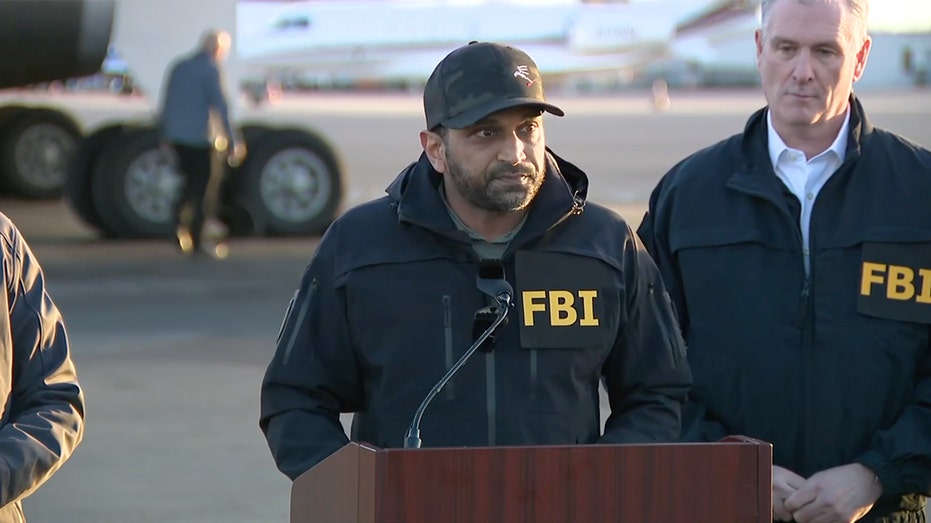
At a press conference in Charlotte, Kash Patel, identified in the FoxNews.com story as FBI Director, called the transfer historic, according to that report. Patel is quoted as saying, ‘It is truly a historic moment when you can deliver not one, but two of the FBI’s most wanted fugitives in one single day. I don’t believe that’s ever happened before, and I’m not sure if it’ll ever happen again.’ The second fugitive was identified in the article as former Canadian Olympic snowboarder Ryan Wedding, who was also reportedly returned to the United States from Mexico the same day.
Extradition, Transfer And Open Questions
The FoxNews.com account refers to a transfer of Castillo from Mexican authorities to the FBI and local law enforcement in Charlotte, but it does not specify whether that occurred through a formal extradition process or another mechanism such as deportation. Extradition between the United States and Mexico typically takes place under a bilateral treaty and often involves lengthy court proceedings in Mexico before a suspect is surrendered to United States custody. Without access to the underlying court documents in Mexico or the United States, it is not yet clear which legal pathway was used in Castillo’s reported return.
The same 2026 report also does not describe the precise circumstances of Castillo’s arrest in Mexico, including where in the country he was located, whether anyone else was detained, or whether tips from the public played a role. The FBI has not, in publicly available materials as of late 2024, described an arrest or capture in this case on its Ten Most Wanted site. That means key details about how investigators finally closed in on Castillo, and which agencies or individuals were instrumental, remain unconfirmed in official records that are accessible to the public.
What Justice Could Look Like Now
If the FoxNews.com account of Castillo’s arrest and transfer is accurate, the next steps would center on the courts in North Carolina. State prosecutors in the Charlotte area have already charged Castillo with murder in connection with Le’s death, according to the FBI wanted notice. The federal unlawful flight charge is designed primarily to secure his return and would likely take a back seat once he is physically present in state custody. Castillo would be entitled to legal counsel, to enter a plea, and to contest the evidence against him at trial.
Officials quoted in the FoxNews.com story framed the reported arrest as a message about the reach of law enforcement. Patel wrote on X that ‘Harm American citizens, and justice will find you.’ At the same press conference, he urged members of the public to support officers who work such cases, saying, ‘They do the work day in and day out, and they barely get credit for it.’ Those comments highlight how prominently law enforcement sees the symbolism of bringing back a long-term fugitive like Castillo.
For Le’s family, the most important questions may be less symbolic and more specific. Many of the details of what happened between the time she was last seen and the discovery of her body have never been aired in a courtroom. If Castillo faces trial, prosecutors would be expected to lay out their evidence, including any forensic findings, financial records, electronic communications, or witness testimony that link him to Le’s death and to the decision to flee. Castillo, for his part, would have the opportunity through counsel to challenge that narrative and present his own account.
Nearly a decade after a body was found in Cabarrus County, the public record still contains more gaps than answers about the killing of Truc Quan ‘Sandy’ Ly Le. One media outlet now reports that the man long accused of that crime is back in North Carolina custody, yet key documents that would confirm the arrest and trace its legal path are not publicly available.
Whether a Charlotte courtroom will eventually resolve those open questions, and whether Le’s family will hear a full accounting of the evidence against Alejandro Rosales Castillo, remains uncertain. For now, the most detailed official account of the case still sits on a wanted poster that, as of late 2024, had not yet been marked captured.