



Case overview
Between 1981 and 1982, at least 18 women were abducted, tortured, and killed across Chicago’s North Side in a series of murders marked by escalating brutality and coordinated planning. Four men were eventually convicted in what became known as the Chicago Ripper Crew case, though investigators believe the actual victim count may be higher.
The pattern emerges
The first confirmed victim, Linda Sutton, 28, disappeared in May 1981. Her body was found in a field in Villa Park, showing signs of mutilation. Over the following months, more women vanished from areas near Chicago’s red-light districts, particularly along North Avenue and in neighborhoods bordering O’Hare Airport.
By early 1982, Chicago police had identified a disturbing pattern. Victims were picked up in vehicles, taken to remote locations, and subjected to prolonged torture before being killed. Several bodies showed evidence of amputation and extreme mutilation. The geographic spread indicated familiarity with Chicago’s northwest corridor and surrounding suburbs.
Victims were typically vulnerable women, including sex workers and those living on the margins. The crimes showed evidence of planning and multiple offenders working in coordination.
The investigation builds
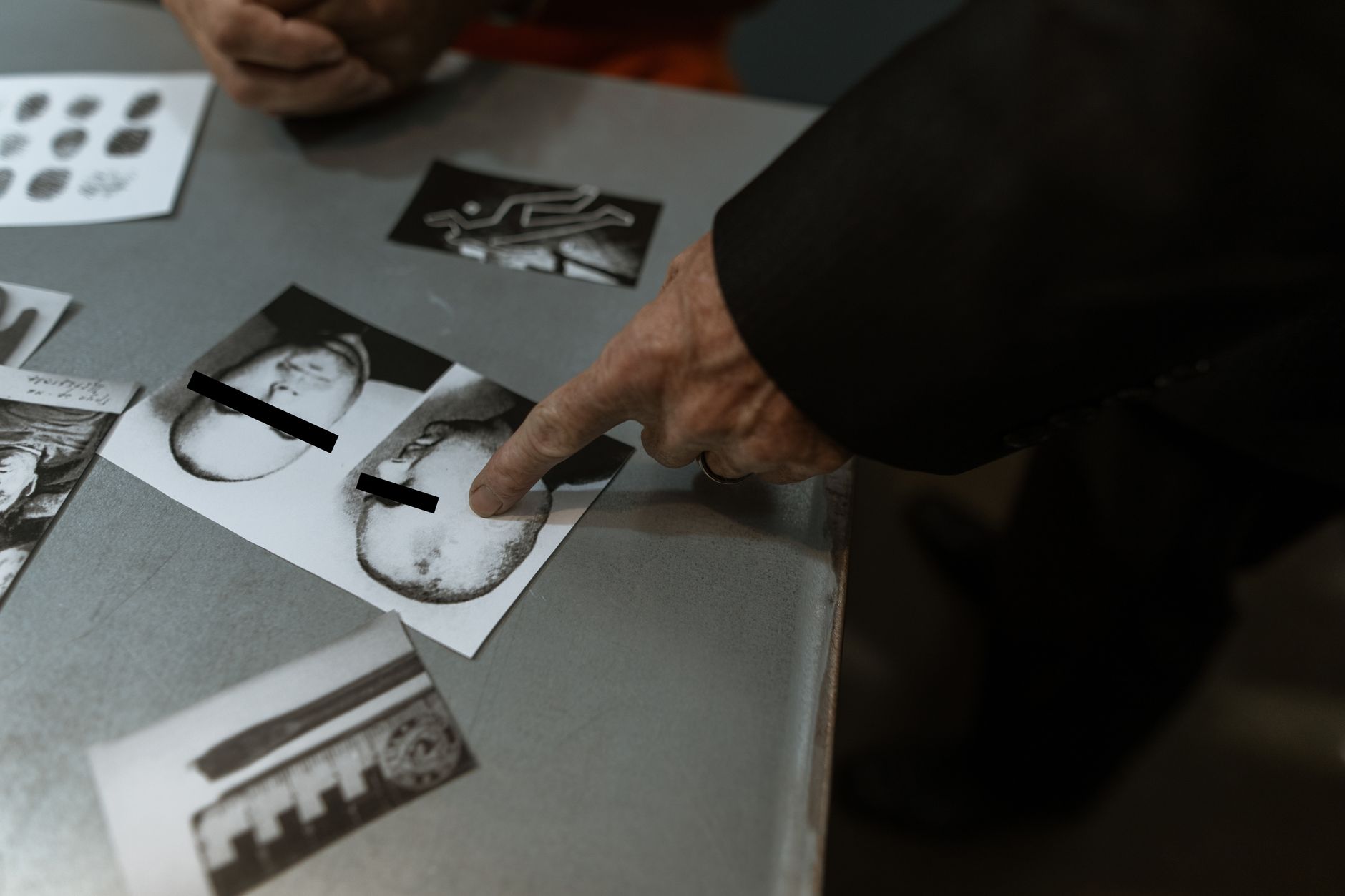
The Cook County Sheriff’s Police and Chicago Police Department began coordinating efforts as the victim count rose. Detectives cataloged forensic evidence from multiple crime scenes and worked to establish connections between disappearances and body recoveries across different jurisdictions.
In May 1982, Sandra Delaware, 25, survived an abduction and assault. She provided investigators with critical information about her attackers, including vehicle details and physical descriptions. Her account confirmed that the crimes involved a coordinated group.
The breakthrough came on June 2, 1982, when Beverly Washington, 20, was found alive near a cemetery in Barrington. She had been abducted, assaulted, and left for dead after one of her breasts was amputated. Washington survived and gave police detailed descriptions of her attackers and the location where she was held.
The arrests
Washington’s information led investigators to a residence in Villa Park. On June 3, 1982, police arrested Edward Spreitzer, then 21, and Andrew Kokoraleis, 20. A search of the home yielded forensic evidence linking the location to multiple victims.
Within days, two additional suspects were identified: Robin Gecht, 28, who had employed both Spreitzer and Kokoraleis in his construction business, and Thomas Kokoraleis, Andrew’s older brother. All four men were charged in connection with the murders.
During interrogations, Spreitzer and both Kokoraleis brothers gave statements implicating themselves and describing the structure of the group. According to these accounts, Gecht recruited the others and directed the abductions and killings. The men described rituals involving mutilation and the collection of body parts as trophies.
Investigators recovered physical evidence from Gecht’s home and vehicle that corroborated elements of the confessions. Forensic testing linked materials to several victims, including tissue samples and personal belongings.
The prosecutions
Because the crimes crossed multiple jurisdictions and involved numerous victims, prosecutors pursued separate cases with the strongest available evidence. The legal proceedings stretched across several years and resulted in different outcomes for each defendant.
In 1983, Edward Spreitzer was convicted of four murders and sentenced to death. His sentence was later commuted to life imprisonment without parole after Illinois abolished the death penalty in 2011.
Andrew Kokoraleis was convicted of murder in the death of Lorraine Borowski and sentenced to death. He was executed by lethal injection on March 17, 1999, becoming one of the last people executed in Illinois before the state’s moratorium on capital punishment.
Thomas Kokoraleis was convicted of murder and sentenced to life imprisonment. He was released on parole in March 2019 after serving approximately 35 years, a decision that drew significant public opposition and concern from victims’ families.
Robin Gecht was never convicted of murder. He was tried and convicted of the attempted murder and aggravated battery of Beverly Washington, the surviving victim whose testimony helped break the case. He was sentenced to 120 years in prison and remains incarcerated.
The confirmed victims
Authorities officially linked the Chicago Ripper Crew to at least 18 victims, though the total may be higher. Identified victims include Linda Sutton, Lorraine Borowski, Shui Mak, Angel York, Sandra Delaware, Beverly Washington, and numerous women whose bodies were recovered from locations across Cook County and surrounding areas. Delaware and Washington survived their attacks.
Several victims remain unidentified. Investigators continue to examine whether additional unsolved cases from the same period may be connected to the group. The geographic range of body recoveries extended from Chicago’s city limits into DuPage County, Lake County, and beyond, complicating efforts to establish a complete victim count.
Ongoing questions
Despite the convictions, significant questions remain about the full scope of the Chicago Ripper Crew’s activities. Investigators have never confirmed whether all members of the group were identified or whether other participants remain unaccounted for.
Robin Gecht has consistently maintained that he was not involved in the murders, despite the testimony of his co-defendants and forensic evidence recovered from his property. His refusal to confess or cooperate with investigators has left gaps in the documented timeline of events.
The case raised broader concerns about communication and coordination between law enforcement agencies. Victims were found across multiple jurisdictions, and early in the investigation, connections between cases were not immediately recognized. Reforms in regional data sharing and multi-agency task force protocols followed in subsequent years.
Impact on victims’ families
Family members of victims have expressed frustration with the varying sentences and outcomes across the four defendants. The release of Thomas Kokoraleis in 2019 prompted renewed advocacy for changes to parole procedures in cases involving serial offenders and coordinated killings.
Several victims’ relatives have participated in parole hearings and public campaigns to ensure that the crimes remain documented and that decisions about custody and release reflect the severity of the offenses committed.
Where to look next
- Documentary: “The Ripper Crew” (Investigation Discovery)
- Book: “The Chicago Ripper Crew: The Terrifying True Story of Robin Gecht and His Sadistic Thrill Kill Cult” by Patrick Kendrick
- Podcast: “The Ripper Crew” (“Casefile True Crime”, Casefile Presents)