



Case overview
On May 19, 1977, 20-year-old Colleen Stan accepted a ride from a couple while hitchhiking from Oregon to California. She was held captive for seven years in a soundproofed box beneath a bed, subjected to systematic torture and psychological manipulation. The case broke open in 1984 when the captor’s wife contacted authorities and provided firsthand testimony that led to prosecution.
The abduction
Colleen Stan left Eugene, Oregon, on the morning of May 19, 1977, hitchhiking to a friend’s birthday party in Westwood, California. She declined several rides that day before accepting one from Cameron and Janice Hooker, who were traveling with their infant daughter. Stan later told investigators the presence of a baby made the situation appear safe.
Roughly 40 miles into the trip, Cameron Hooker pulled onto a remote stretch of road near Red Bluff, California. He drew a knife and forced a homemade wooden head box over Stan’s face. She was handcuffed, gagged, and driven to the Hookers’ mobile home in Red Bluff. No witnesses reported the abduction. No substantive missing person investigation followed.
Confinement
Stan was kept in a box measuring approximately 2 feet by 3 feet, constructed from lumber and hidden under the couple’s waterbed. For the first three years, she spent up to 23 hours a day inside the box. Cameron Hooker relied on physical restraint, sensory deprivation, and fabricated narratives to maintain control.
He told Stan she was being held by a criminal organization called “The Company,” which he claimed was monitoring her family. He said any attempt to escape would result in their deaths. He forced her to sign a slavery contract with no legal standing but significant psychological weight. She was subjected to repeated sexual assault, whipping, electric shocks, and prolonged isolation.
Janice Hooker participated in portions of the confinement and was present during many of the assaults. Court records and her later testimony indicate she complied with her husband’s instructions out of fear and submission. She did not contact law enforcement during the initial years of captivity.
Limited movement
In 1981, Cameron Hooker began allowing Stan limited freedom within the home. She was permitted to care for the Hookers’ children and perform household tasks. She was occasionally allowed outside under supervision but remained psychologically conditioned to believe escape would endanger her family. Hooker’s control depended on the fabricated threat of “The Company” and his manipulation of her perception of reality.
In 1984, Hooker allowed Stan to visit her family in Riverside, California, on the condition she return. She made the trip alone and spent time with relatives but did not disclose her situation. Her family later said she appeared withdrawn and anxious but did not ask for help. She returned to Red Bluff as instructed.
Disclosure and arrest
In August 1984, Janice Hooker left her husband and moved in with family. Shortly after the separation, she contacted a pastor and disclosed the kidnapping of Colleen Stan. With the pastor’s support, she contacted law enforcement. On August 9, 1984, she called Stan at the Hooker residence and told her she was free to leave.
Stan immediately fled and contacted her father. She was interviewed by investigators and provided detailed statements that corroborated Janice Hooker’s account. Cameron Hooker was arrested on August 18, 1984, and charged with kidnapping, sexual assault, and multiple counts related to prolonged captivity.
Evidence and trial preparation
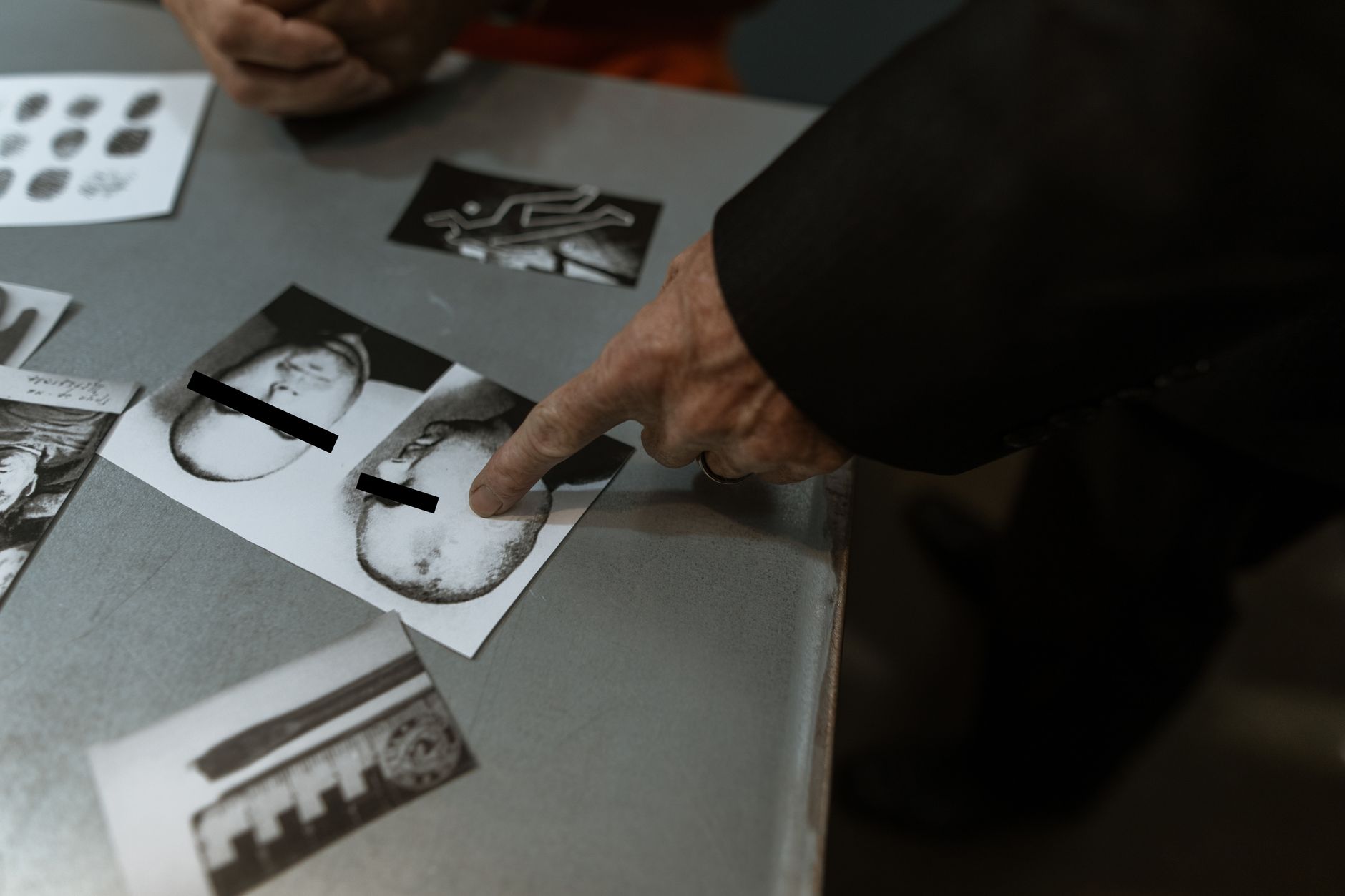
Investigators recovered the wooden head box, the confinement box, restraints, whips, and electrical devices used during the assaults. Photographs taken by Cameron Hooker during the captivity were seized and entered into evidence. Janice Hooker’s testimony became the foundation of the prosecution’s case. She described the abduction, the construction of the confinement box, and her husband’s control tactics.
Defense attorneys argued that Stan had opportunities to escape and questioned why she did not attempt to flee during the 1984 family visit. Prosecutors presented expert testimony on coercive control, psychological conditioning, and trauma bonding to explain her behavior. Dr. Chris Hatcher, a psychologist, testified that the combination of physical torture, isolation, and fabricated threats created a state of learned helplessness consistent with prolonged captivity.
Conviction and sentencing
Cameron Hooker’s trial began in October 1984 in Tehama County Superior Court. He was convicted on November 13, 1984, of kidnapping for the purpose of committing a sex offense and multiple counts of sexual assault and false imprisonment. He was sentenced to 104 years in prison.
Janice Hooker was granted immunity in exchange for her testimony. She was not charged in connection with the kidnapping of Colleen Stan. Public reaction to the immunity agreement was divided. Some viewed her as a victim of her husband’s control. Others argued she should have faced prosecution for her role in the crimes.
Parole denials
Cameron Hooker has filed multiple appeals since his conviction. All have been denied. He became eligible for parole in 2015. His first parole hearing was held that year and resulted in a denial. Subsequent hearings in 2019 and 2022 also resulted in denials. Colleen Stan submitted written opposition statements to each hearing. Victim advocacy groups have consistently opposed his release.
Hooker remains incarcerated at California State Prison, Lancaster. His next parole hearing is scheduled for 2025. California Department of Corrections records indicate he has been disciplined multiple times for rule violations during his incarceration.
Public impact
Colleen Stan has spoken publicly about her experience in limited interviews and advocacy settings. She has worked with organizations focused on trauma recovery and coercive control. In a 2009 interview, she stated that rebuilding autonomy and trust were ongoing processes that required years of therapeutic support.
The kidnapping of Colleen Stan has been cited in law enforcement training materials related to psychological manipulation, trauma response, and victim behavior in prolonged captivity scenarios. It is frequently referenced in discussions of coercive control and the dynamics that prevent victims from seeking help or escaping abusive situations.
Where to look next
- Book: “The Perfect Victim” by Christine McGuire and Carla Norton
- Podcast: “The Girl in the Box” (“Casefile True Crime”, Casefile Presents)