

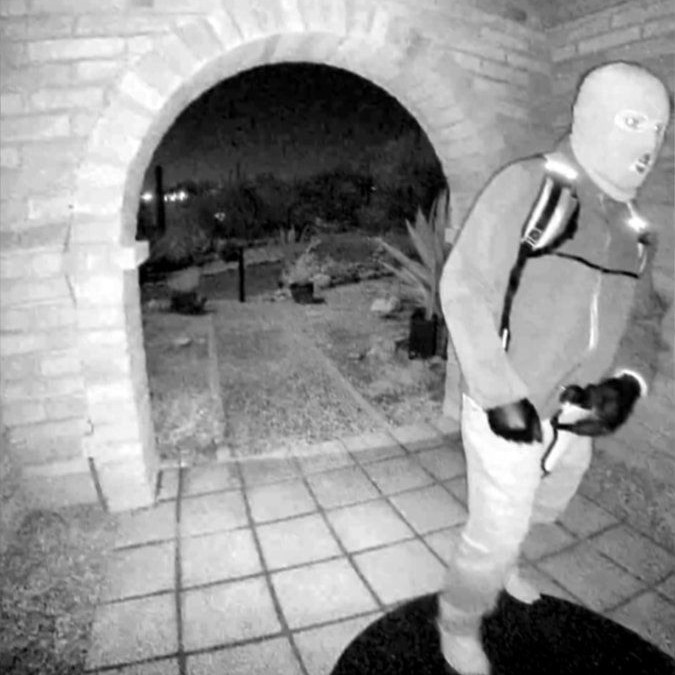
The FBI has doubled its reward to $100,000 and released new forensic details about a man seen near Nancy Guthrie’s Arizona home, but disagreement over how to test key evidence and the continued absence of the 84-year-old raise questions that investigators have not yet answered.
TLDR
FBI Phoenix has doubled the reward to $100,000 in the disappearance of 84-year-old Nancy Guthrie, released a refined description of a male suspect and his backpack, and is reviewing more than 13,000 public tips while a dispute over crime lab testing lingers.
Disappearance in Tucson and Early Investigation
Nancy Guthrie, an 84-year-old resident of the Tucson area and the mother of NBC anchor Savannah Guthrie, has been missing since February 1st, 2026, when she disappeared from her home in Pima County.
Investigators have not publicly detailed everything captured on Guthrie’s doorbell camera, but they have released a still image and short video clip showing an unidentified man wearing a backpack on the property around the time of her disappearance.
The case has drawn national attention, in part because of Guthrie’s family connection, and because federal, state, and local agencies are all involved in the search and investigation.
Separate coverage from Fox News Digital has referred to alleged ransom notes and shifting deadlines in the case, highlighting the pressure investigators face as time passes without a clear lead on Guthrie’s whereabouts.
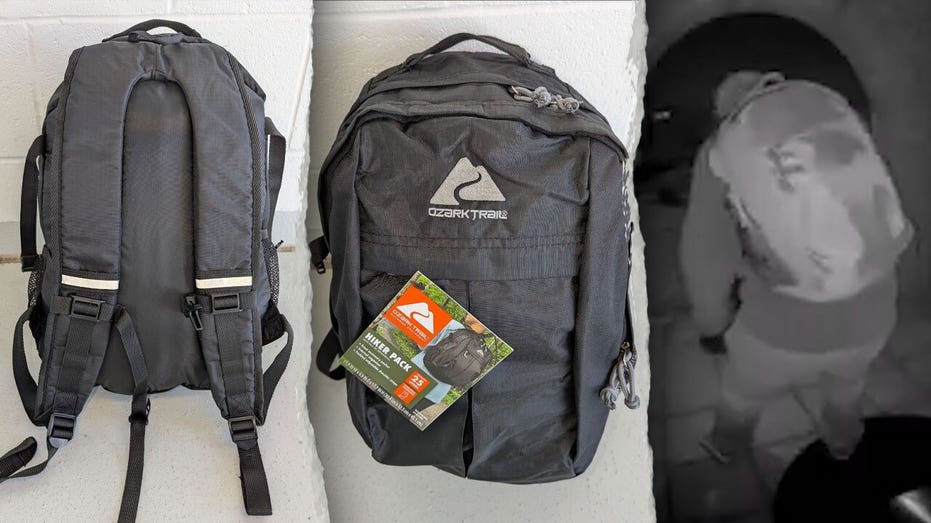
Forensic Review Narrows Suspect Description
According to a Fox News Digital report on the investigation, FBI Phoenix announced that analysts in the FBI Operational Technology Division conducted a forensic review of the doorbell footage and developed what the bureau described as “identifying details” about a potential abductor.
Based on that analysis, the FBI said the man appears to be between 5 feet, 9 inches and 5 feet, 10 inches tall, with an average build, and is seen walking near Guthrie’s residence.
Officials also called public attention to the backpack the man was wearing, identifying it as a black, 25-liter Ozark Trail Hiker Pack, a mass-market model that could be recognized by friends, family members, or store employees.
By releasing a specific brand and size, investigators are effectively asking the public to think about who in their orbit owns that type of pack, when they last saw it, and whether anyone recently stopped using or discarded a similar backpack.
The FBI Thursday released new identifying details about the suspect in Nancy Guthrie’s disappearance after a forensic analysis of doorbell camera footage.
https://t.co/wMGQA1U4yJ https://t.co/okl4Rfhn2L— NBC Bay Area (@nbcbayarea) February 13, 2026
Evidence Testing Dispute Between FBI and Sheriff
Behind the scenes, however, the same Fox News report described friction between federal agents and the local agency leading the case, the Pima County Sheriff’s Department, over how and where to test physical evidence collected from Guthrie’s home.
Fox News Digital, citing an unnamed U.S. law enforcement source and attributing the account to earlier reporting by Reuters, reported that the FBI asked Sheriff Chris Nanos to release certain items, including a glove and DNA samples from Guthrie’s home, so they could be processed at the FBI laboratory in Quantico, Virginia.
The source said Nanos had “insisted instead on using a private lab in Florida,” according to the Fox News account, characterizing the sheriff as reluctant to turn over the items to federal analysts.
In the reporting currently available, neither Nanos nor his office has publicly explained the reasons for preferring a private laboratory, and it is not clear whether the disputed items have already been tested, are awaiting analysis, or are being examined in parallel by multiple facilities.
Disagreements over laboratory selection can affect how quickly evidence is processed, the types of forensic techniques applied, and how easily results can be compared with national databases, but there is no public indication at this point that any testing decision in Guthrie’s case has violated policy or tainted the evidence.
Without direct statements from the sheriff or the FBI about the scope of the disagreement, the full impact on the investigation remains uncertain, and the public record reflects only that at least one federal source is frustrated by the pace and venue of forensic work.
Reward, Public Tips, and Federal Role
In announcing the latest developments, FBI Phoenix said it was doubling the reward to $100,000 for information leading to the arrest of anyone responsible for Guthrie’s disappearance, part of a broader public campaign that has included highway billboards throughout Arizona.
In a separate article on the case, Fox News Digital reported that billboards featuring Guthrie’s image and a tip line number were deployed to prompt what one FBI message described as a crucial piece of information that could break open the investigation.
Federal officials have said they have received more than 13,000 tips from the public since February 1st, 2026, and that each one is being reviewed for credibility, relevance, and potential investigative value before agents and detectives decide whether to follow up.
Threat Intake Examiners at the National Threat Operations Center, along with FBI personnel in Arizona, are staffing a 24-hour command post where leads are logged, triaged, and assigned, an approach designed to prevent promising information from being overlooked in the volume of incoming calls and messages.
People with information that might help identify the man in the video, locate Guthrie, or clarify suspicious activity in the area are being urged to contact the FBI at 1-800-CALL-FBI or reach out to their local law enforcement agency.
Unanswered Questions and Next Procedural Steps
Despite the public campaign, intense media attention, and assistance from multiple agencies, investigators have not announced any arrests in the case, and the man seen in the doorbell footage has not been publicly identified by name.
Authorities have also not released detailed findings from any forensic testing, including whether the glove or DNA reportedly collected from Guthrie’s home has produced usable profiles, matched any records in national databases, or linked the case to other crimes.
Those gaps leave several procedural questions on the table for now, including how long it will take to complete laboratory analysis, whether the ongoing dispute over testing venues will slow future work, and how investigators are prioritizing the thousands of tips still coming in.
As the search continues, the case sits at the intersection of a vulnerable missing person, high public expectations, and interagency tension, and whether the combination of forensic analysis, public outreach, and the increased reward will be enough to generate the decisive lead remains an open question.