


Case overview
On September 16, 1922, the bodies of Reverend Edward Wheeler Hall and choir singer Eleanor Mills were found shot and arranged under a crab apple tree in New Brunswick, New Jersey, surrounded by torn love letters. Four years later, Hall’s widow and three relatives stood trial in a sensational case built on contradicting testimony, questionable forensic methods, and intense press coverage that turned courtroom proceedings into national spectacle.
The discovery
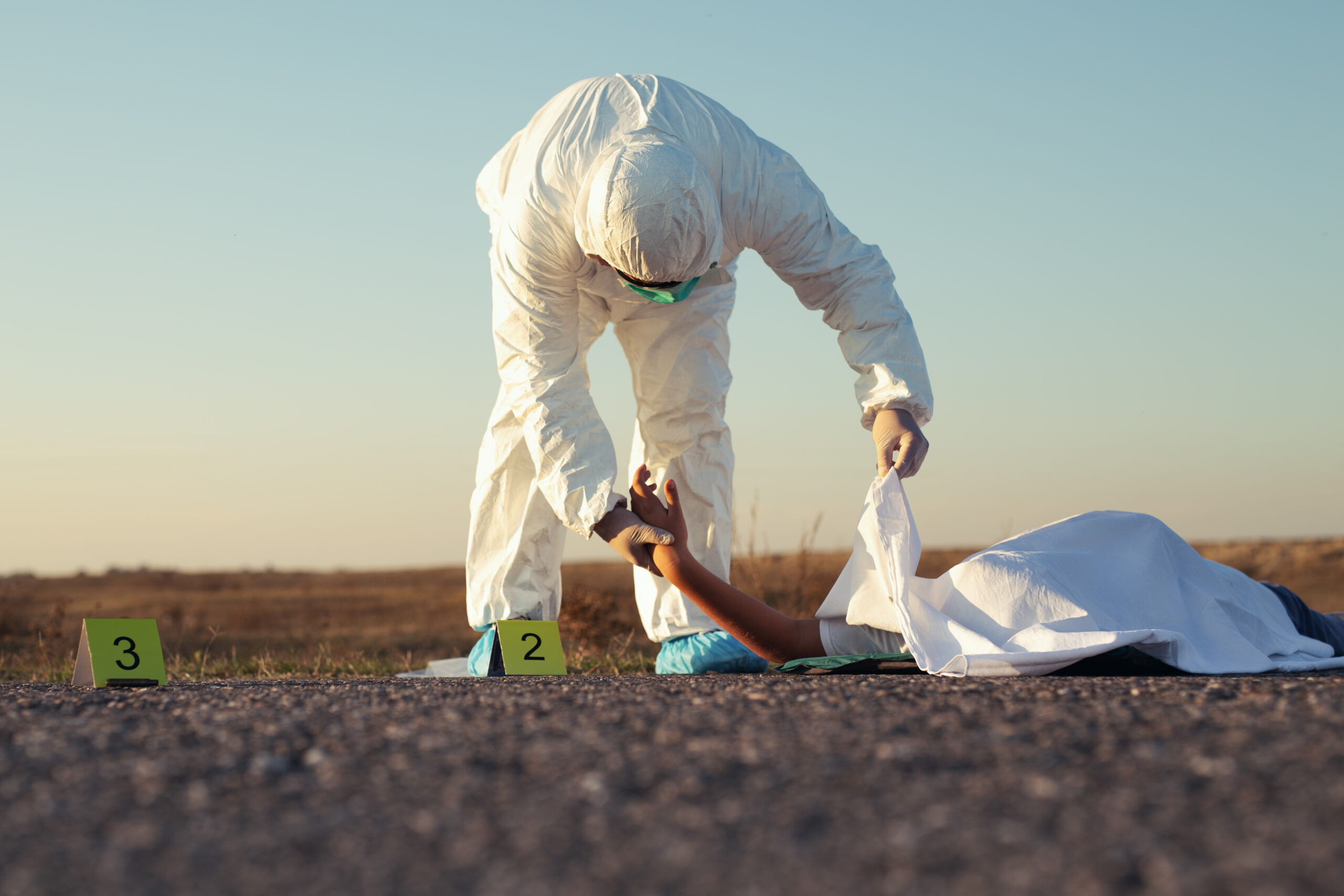
A couple walking near De Russey’s Lane on the morning of September 16, 1922, found two bodies positioned side by side beneath a crab apple tree. Reverend Edward Hall, 41, had been shot once in the head. Eleanor Mills, 34, had been shot three times, and her throat was slashed. Scattered love letters between the two lay around the scene, and Mills’s scarf had been placed over her throat wound.
Hall led St. John the Evangelist Episcopal Church in New Brunswick. Mills sang in the choir and was married to the church sexton. Their affair had been known within certain circles but never publicly acknowledged. The staging of the bodies and the letters pointed toward a crime of passion, though the physical evidence offered no clear suspect.
The initial investigation
Authorities struggled from the start. The crime scene was not secured, and members of the public trampled through the area before investigators completed their work. The bodies were moved before photographs were taken. Key evidence, including the exact position of the letters and potential footprints, was lost.
Reverend Hall’s wife, Frances Stevens Hall, came from one of New Brunswick’s wealthiest families. Her brothers, Willie and Henry Stevens, were quickly considered persons of interest, but no charges were filed. The case lacked forensic clarity, and the investigation stalled within weeks.
Hall’s widow reported that her husband had left their home on the evening of September 14, saying he was going to visit Mills regarding church matters. Mills told her husband she was going out for a walk. Neither returned. Their disappearance went unreported until their bodies were discovered two days later.
The pig woman and the trial delay
In 1926, the case was reopened after renewed attention from the press and the emergence of a witness named Jane Gibson. Gibson, a local farmer referred to in the press as the “pig woman,” claimed she had been near De Russey’s Lane on the night of the Hall-Mills murder and had witnessed several figures arguing near the tree. She reported hearing a woman’s voice say, “Explain these letters.”
Gibson’s account prompted authorities to bring charges against Frances Hall, her brothers Willie and Henry Stevens, and her cousin Henry Carpender. The grand jury indictment came more than four years after the murders, a delay that created evidentiary challenges and public skepticism.
The trial began on November 3, 1926, in Somerville, New Jersey. It drew hundreds of reporters and became one of the most publicized criminal proceedings in American history. Major newspapers assigned full teams to cover the case. Courtroom seating was limited, and overflow crowds gathered outside the courthouse daily.
Testimony and contradictions
Jane Gibson testified while lying on a hospital bed brought into the courtroom. She repeated her account of seeing figures near the crime scene and hearing a confrontation. Defense attorneys attacked her credibility, pointing to inconsistencies in her previous statements and suggesting she sought financial gain from selling her story to the press.
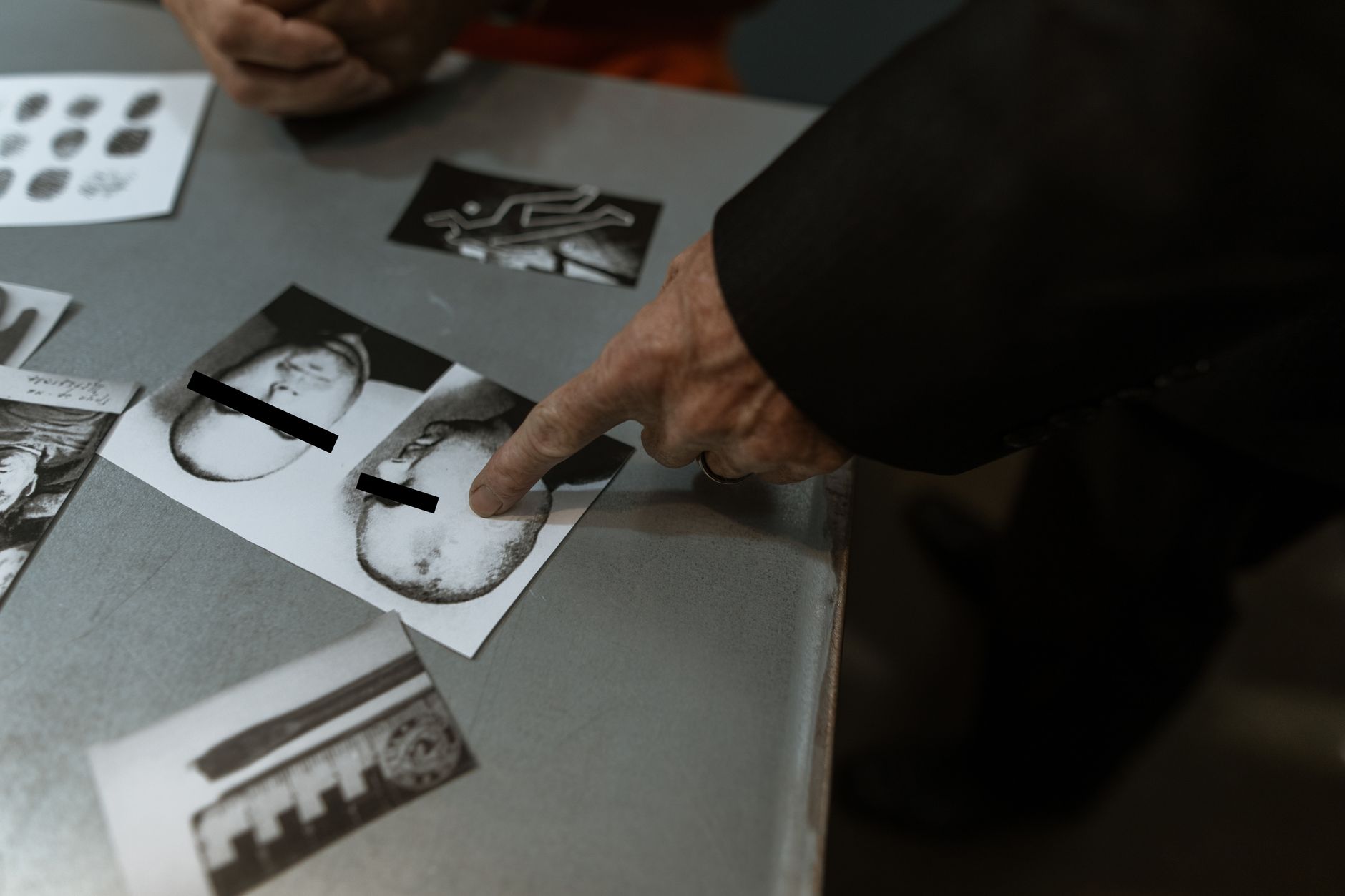
Prosecutors introduced testimony from a fingerprint expert who claimed to have found Willie Stevens’s print on one of the love letters found at the scene. The defense challenged the validity of the fingerprint analysis, noting that the letters had been handled by multiple people before being examined. Forensic standards for fingerprint evidence in 1926 were far less rigorous than modern protocols, and the claim was never independently verified.
Willie Stevens, who had developmental disabilities, took the stand in his own defense. His testimony was described as calm and detailed. He accounted for his whereabouts on the night of the Hall-Mills murder and denied any involvement. Prosecutors struggled to establish a clear timeline that placed any of the defendants at the scene.
No murder weapon was ever recovered. No forensic evidence definitively linked the defendants to the crime. The prosecution’s case relied on circumstantial evidence, witness credibility, and the theory that Frances Hall had motive to kill her husband and his lover.
The verdict and aftermath
On December 3, 1926, after deliberating for five hours, the jury acquitted all four defendants. The lack of physical evidence and the unreliability of key witnesses left reasonable doubt. Public opinion remained divided. Some believed the Hall family’s wealth and social standing had shielded them from justice. Others saw the acquittal as the correct outcome given the weakness of the case.
Frances Hall returned to her estate and lived quietly until her death in 1942. Willie Stevens continued to live in New Brunswick and was occasionally approached by reporters seeking comment. He never deviated from his account and maintained his innocence until his death in 1942.
No other suspects were ever charged. The case was never officially solved. Investigators revisited the evidence periodically over the decades, but no breakthroughs emerged.
Press influence and public fascination
The Hall-Mills murder became a defining moment in American tabloid journalism. Newspapers competed for exclusive interviews, speculative theories, and courtroom access. Coverage was sensational, often prioritizing drama over verified facts. The case helped establish the template for media-driven criminal trials that would recur throughout the 20th century.
The involvement of prominent families, allegations of infidelity, and the theatrical elements of the trial made the case compelling to readers. Circulation numbers surged for papers that covered the story aggressively. Reporters shaped public perception, and their framing of the case influenced how witnesses and defendants were viewed.
The lack of resolution only deepened public interest. Theories proliferated. Some believed the Ku Klux Klan, which was active in New Jersey during the 1920s, had been involved due to the interclass nature of the affair. Others speculated about organized crime connections or alternative suspects who were never investigated.
Evidentiary limitations
The primary obstacle to solving the Hall-Mills murder was the compromised crime scene. The absence of photographs showing the bodies in their original positions, the contamination of physical evidence, and the delay in securing the area all contributed to the inability to develop a prosecutable case.
Forensic science in 1922 was limited. Fingerprint analysis was still developing. Ballistics testing existed but was not consistently applied. There was no DNA analysis, no advanced trace evidence techniques, and no standardized protocols for evidence preservation.
Witness statements were inconsistent and often changed between initial interviews and courtroom testimony. The time gap between the crime and the trial made memories unreliable and opened opportunities for coaching or fabrication.
Enduring questions
The Hall-Mills murder remains one of the most analyzed unsolved cases of the early 20th century. Historians and crime researchers continue to examine trial transcripts, press coverage, and the limited physical evidence that survives. The case is studied as an example of how class, media, and procedural failures intersect in criminal investigations.
The absence of a definitive resolution means that the case continues to invite interpretation. Each new examination of the evidence yields different theories but no conclusive answers. The original records, including court filings and press accounts, remain accessible and continue to fuel debate.
Where to look next
- Book: “The Minister and the Choir Singer: The Hall-Mills Murder Case” by William M. Kunstler
- Documentary: “Crimes of the Century” (CNN)