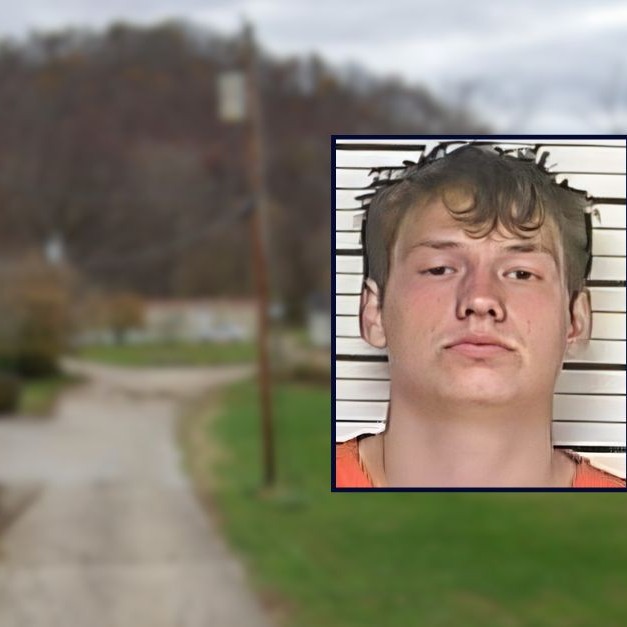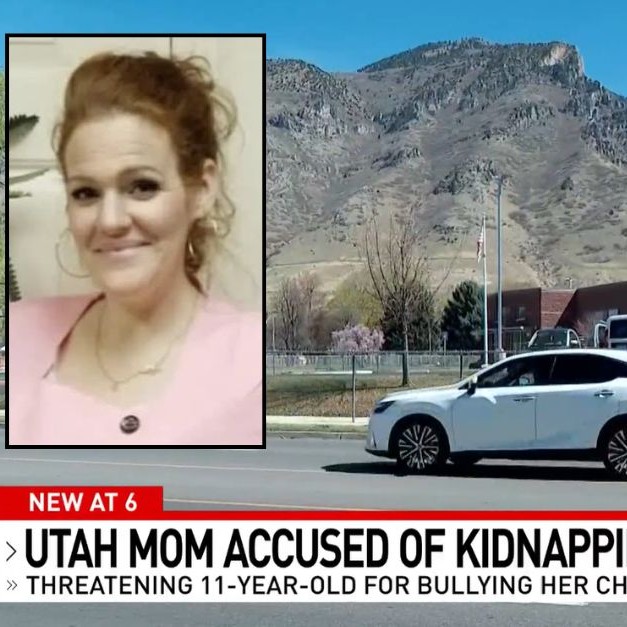


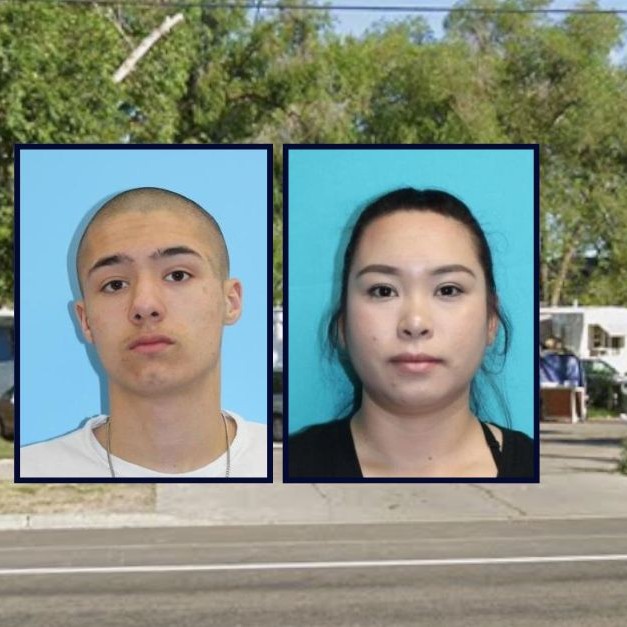
Prosecutors in Blackfoot, Idaho, say 16-year-old Bobby Grant Jackson Jr. has admitted using a stolen 9 mm handgun to kill 30-year-old Rebecca Rivera, and he has now pleaded guilty to second-degree murder, but what led up to the shooting and how long he will actually serve remain unsettled.
TLDR
Prosecutors in Blackfoot, Idaho, say 16-year-old Bobby Jackson Jr. has admitted using a stolen 9 mm handgun to kill 30-year-old Rebecca Rivera, then pleaded guilty to second-degree murder under a deal that drops a first-degree count and proposes a 20 to 27 year sentence.
Plea Deal Narrows the Legal Question
According to Law&Crime, Jackson pleaded guilty to second-degree murder in Rivera’s shooting death in Blackfoot. Court records referenced in that reporting describe a plea agreement in which prosecutors agreed to drop an earlier first-degree murder charge if Jackson admitted to the lesser count.
Prosecutors told local media that the agreement calls for a prison sentence between 20 and 27 years. A judge is scheduled to formally sentence Jackson on March 4th, and will decide where within that range his punishment falls.
The plea means there will be no trial on the question of guilt. Instead, the legal focus has shifted to sentencing: how the court will weigh Jackson’s age, his prior armed robbery case, and the details of the killing when determining how long he will remain in prison.
Rivera, a 30-year-old Blackfoot mother, was found dead in her mobile home on Broadway Street. Family members discovered her body in the afternoon, and officers determined she had been killed by a single gunshot wound, according to Law&Crime’s account of the investigation.
Trail of Evidence From Lunch Box to Trailer Park
On the day Rivera was killed, Jackson was working for a subcontractor helping renovate a hospital. A probable cause affidavit described by Law&Crime states that a worker noticed Jackson had been gone from the site for an unusually long time after asking to use the bathroom.
When the worker went to look for him, Jackson was gone. The man also realized that a handgun he kept inside a lunch box in his truck was missing. He reported the missing firearm to the police.
Investigators obtained surveillance footage that, according to the Idaho State Journal, showed Jackson entering the truck and taking something from inside. Detectives later met with the gun’s owner and collected ammunition he said had been loaded in the weapon when it disappeared.
Forensic comparison reportedly showed that the pattern on a shell casing recovered from Rivera’s home matched the ammunition taken from the owner’s supply, tying the stolen 9 mm handgun to the scene of the killing.
Jackson was not living at home at the time. The affidavit said he was staying at a halfway house while on probation from a prior armed robbery case. An employee there told investigators that location data from Jackson’s phone showed he had been at a gas station in the 900 block of Broadway Street, just down the street from Rivera’s trailer park.
Neighbors in the area told detectives they had seen Jackson earlier that day asking people for a ride, and surveillance images placed him at the trailer park some time after 12:40 p.m., according to the investigative records summarized in local reporting. Rivera was later found dead around 4 p.m.
What Jackson Told Detectives About Motive
Police moved quickly once they identified Jackson as a suspect. An arrest warrant for second-degree murder was issued, and officers took him into custody the next day at a home in Pocatello.
Investigators later obtained an amended complaint that included a detailed interview with Jackson. EastIdahoNews reported that officers wrote in that filing that Jackson admitted going to Rivera’s trailer, asking her for a ride, and reacting violently when she declined.
According to that account, Jackson told detectives that when Rivera refused to give him a ride, he responded, in his own words, with a profane dismissal and went inside the trailer. He then described shooting Rivera with the stolen handgun.
“I put a bullet in her brain,” Jackson allegedly told investigators, describing the fatal shot to Rivera’s head.
The same filing also recorded Jackson saying he recognized Rivera and believed that her brothers had been involved in the death of one of his friends. When detectives asked whether he killed Rivera as payback, Jackson reportedly answered yes.
At the same time, police said Jackson had “no known relationship” with Rivera beyond his own claim of recognizing her, according to EastIdahoNews. There is no indication in the publicly reported records that authorities have corroborated his belief about her brothers or tied them to any other case.
That leaves prosecutors and the court working with a motive that rests largely on Jackson’s own statements: a mix of an immediate dispute over a ride and an unproven belief that he was avenging a friend’s death.
Sentencing Ahead and Unresolved Questions
With the guilty plea formally entered, the remaining decisions lie with the judge who will sentence Jackson. The agreed range of 20 to 27 years reflects a compromise between prosecutors and the defense, but it does not fully answer how the court will evaluate several competing factors.
Jackson was 16 years old at the time of Rivera’s killing, yet already on probation for armed robbery and living in a halfway house. The crime involved a stolen handgun, a stranger victim, and what authorities describe as a deliberate act carried out after he armed himself.
On the other side of the ledger, the court will have to consider his youth, any evidence presented about his background, and whether his admission of guilt and acceptance of a plea agreement weigh in favor of a sentence closer to the minimum agreed term.
The case has also raised lingering questions about supervision and risk. Jackson was on probation and under halfway house oversight when he left work, stole a firearm from a lunch box, and walked to a nearby neighborhood where, within hours, Rivera was dead. Public records do not yet detail whether any changes have been made to probation practices or contractor security in response.
For Rivera’s family, the plea deal avoids a trial that would have required reliving the killing in open court, but it also fixes a sentencing ceiling far short of a potential life term. For Jackson, the agreement removes the possibility of a first-degree murder conviction and any higher penalty that could have followed.
When Jackson returns to court on March 4th for sentencing, the legal question will no longer be whether he killed Rivera. It will be how the judge balances his age, his prior record, the weight of the evidence, and his own words about why he pulled the trigger.