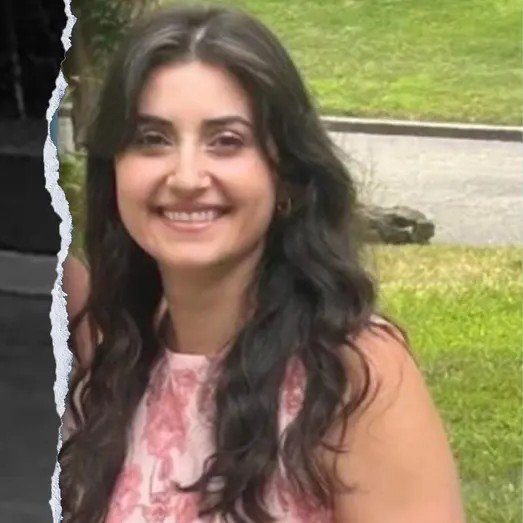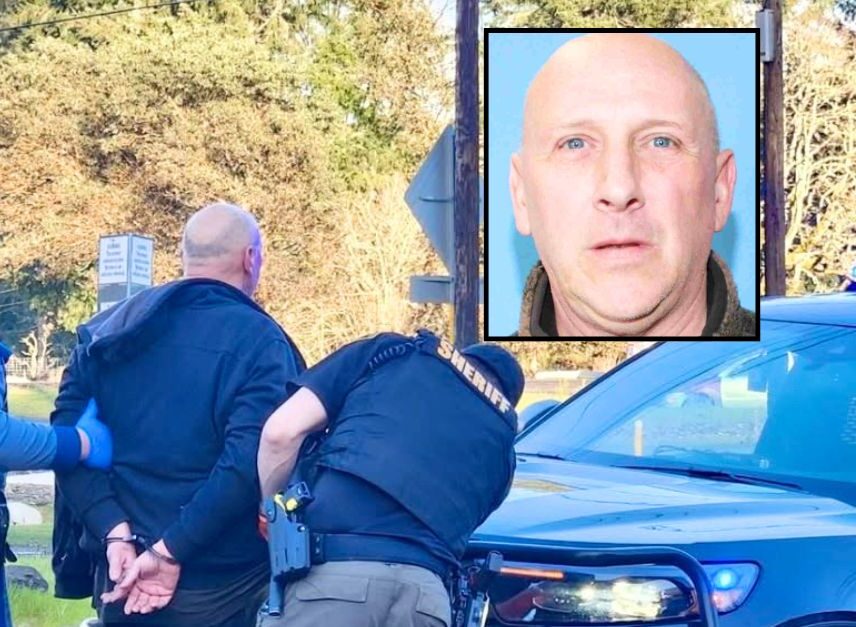


Nearly 30 years after 23-year-old Claudia Guevara was found stabbed to death in Azusa, California, prosecutors have charged 63-year-old Brian Walton with special-circumstance murder, citing DNA evidence, while key details about how the long-dormant case was revived remain undisclosed.
TLDR
Los Angeles County prosecutors have charged Brian Walton with one count of murder, alleging the 1996 killing of Claudia Guevara occurred during rape and sodomy. Investigators say DNA evidence linked him to the crime. He is being held without bail and faces life without parole or the death penalty if convicted.
A 1996 Killing That Went Cold
According to prosecutors, Guevara was reported missing by her brother on February 20th, 1996, after she failed to return home. She had last been seen at a bus stop in El Monte, where two coworkers had dropped her off after work. She never arrived at her destination.
The next day, investigators found Guevara’s nude body in a drainage ditch near Encanto Parkway in Azusa. Authorities determined that she had been sexually assaulted and stabbed in the neck. Despite the brutality of the crime, no suspect was publicly identified at the time, and the case was eventually classified as a cold case.
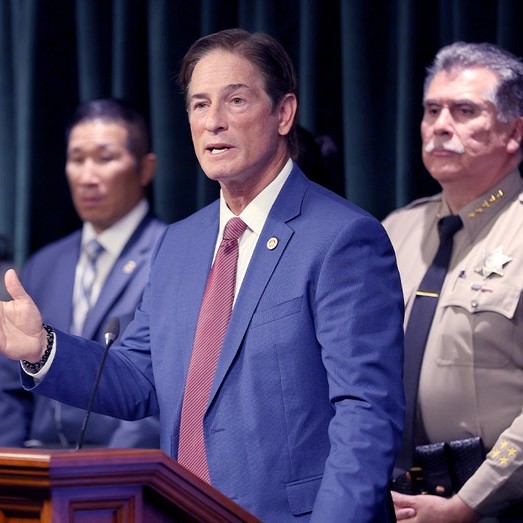
For Guevara’s family, the absence of an arrest stretched into decades. In a statement released by the Los Angeles County District Attorney’s Office, District Attorney Nathan Hochman said, “The victim’s family has waited for an agonizing 30 years to get that call to let them know their loved one’s killer had been found and charged.”
DNA Evidence and a Renewed Investigation
The District Attorney’s Office has said that DNA evidence ultimately linked Walton to the crime. According to Fox News, investigators concluded that Walton did not know Guevara, an assertion that, if accurate, underscores the role of forensic evidence rather than a known relationship in identifying a suspect.
Public statements so far have not detailed what type of DNA testing was used, when the new analysis was performed, or whether previously collected biological evidence was reexamined with newer technology. Those unanswered questions go to the heart of how a 1996 homicide, dormant for years, moved from a cold case file back into an active murder prosecution.
While officials describe the case as solved through DNA, the underlying investigative record, including initial evidence collection, storage, and later testing, has not been released. That leaves the public with the outcome, but not yet the procedural path that led from a crime scene ditch in Azusa to a named defendant nearly three decades later.
Special-Circumstance Allegations Raise Stakes
The Los Angeles County District Attorney’s Office announced that Walton is charged with one count of murder, with special-circumstance allegations that the killing occurred during the commission of rape and sodomy. In California, such special-circumstance allegations significantly increase potential penalties if a defendant is convicted.
CHARGES FILED IN 30-YEAR-OLD COLD CASE‼️
63-year-old Brian Walton of Los Angeles was charged today with murder for the 1996 fatal stabbing of a 23-year-old woman. pic.twitter.com/6KihXtZmAh
— Los Angeles County District Attorney’s Office (@LADAOffice) February 10, 2026
According to the announcement, a conviction on the charged count and special circumstances would expose Walton to a sentence of life in prison without the possibility of parole or the death penalty. Prosecutors have said that a decision on whether to seek capital punishment will be made at a later stage in the case, a choice that typically follows internal review and consultation within the office.
These are allegations at this point. Prosecutors will eventually have to present evidence in court to support both the underlying murder charge and the special-circumstance claims related to sexual assault. Walton, like any defendant, is presumed innocent unless and until prosecutors prove the charges beyond a reasonable doubt.
Custody Status and Upcoming Court Date
Jail records from the Los Angeles County Sheriff’s Department, cited by Fox News, indicate that Walton was arrested on February 5th and is being held without bail. Holding a defendant without bail in a special-circumstance murder case reflects both the seriousness of the charge and the potential sentence.
Walton’s next court appearance is scheduled for March 18th at 8:30 a.m. Court records that are not yet publicly outlined in reporting will determine whether that hearing is for arraignment proceedings, a preliminary hearing setting, or another procedural step. What is clear is that the case is now entering the courtroom phase after decades in investigative limbo.
At this stage, there is no public indication in the referenced reporting of how Walton intends to plead or what arguments his defense may raise regarding the DNA evidence or the events of February 1996. Those issues are likely to become central if the case proceeds toward a preliminary hearing and potential trial.
Family’s Long Wait and Public Accountability
For Guevara’s relatives, the filing of charges marks a procedural turning point after years without an identified suspect. In his statement, Hochman added that, “While this was classified as a cold case, investigators and prosecutors never stopped in their relentless pursuit of justice, reaffirming our commitment to holding people accountable for the crimes they are accused of committing.”
That framing highlights two parallel realities. On one side, the family now has a named defendant facing the possibility of the most severe penalties allowed under state law. On the other, accountability in a legal sense will depend on how evidence, including the cited DNA, withstands scrutiny in court.
The case also illustrates the broader role of forensic technology in revisiting serious crimes from the 1990s. Many departments retained biological samples that could not be fully exploited with older methods but can now be reanalyzed. Yet the effectiveness of such efforts depends on how carefully evidence was collected, preserved, and documented decades earlier.
Without public access to the full case file, questions remain about the original investigation, including what leads were pursued in 1996, how quickly DNA was collected and tested, and when Walton’s name first appeared in law enforcement records, if at all. Those details may emerge through motions, hearings, and testimony as the case advances.
What Remains Unresolved
Even with charges filed, several aspects of the case are not yet clear in the public record. Authorities have not described what specifically prompted the renewed DNA review, whether it was part of a systematic cold case initiative or a targeted reexamination of Guevara’s file.
It is also not yet known whether prosecutors have additional evidence beyond the DNA link, such as witness testimony, past statements, or other forensic findings tying Walton to Guevara’s final hours. In serious, decades-old cases, courts often grapple with missing records, faded memories, and the practical challenges of reconstructing events long after they occurred.
As proceedings continue, key milestones will include any defense challenges to the DNA evidence, judicial rulings on what evidence can be presented to a jury, and a final decision on whether prosecutors will seek the death penalty. For Guevara’s family, the central question is whether this long-delayed prosecution will deliver a legal resolution to a crime that has defined their lives since 1996.