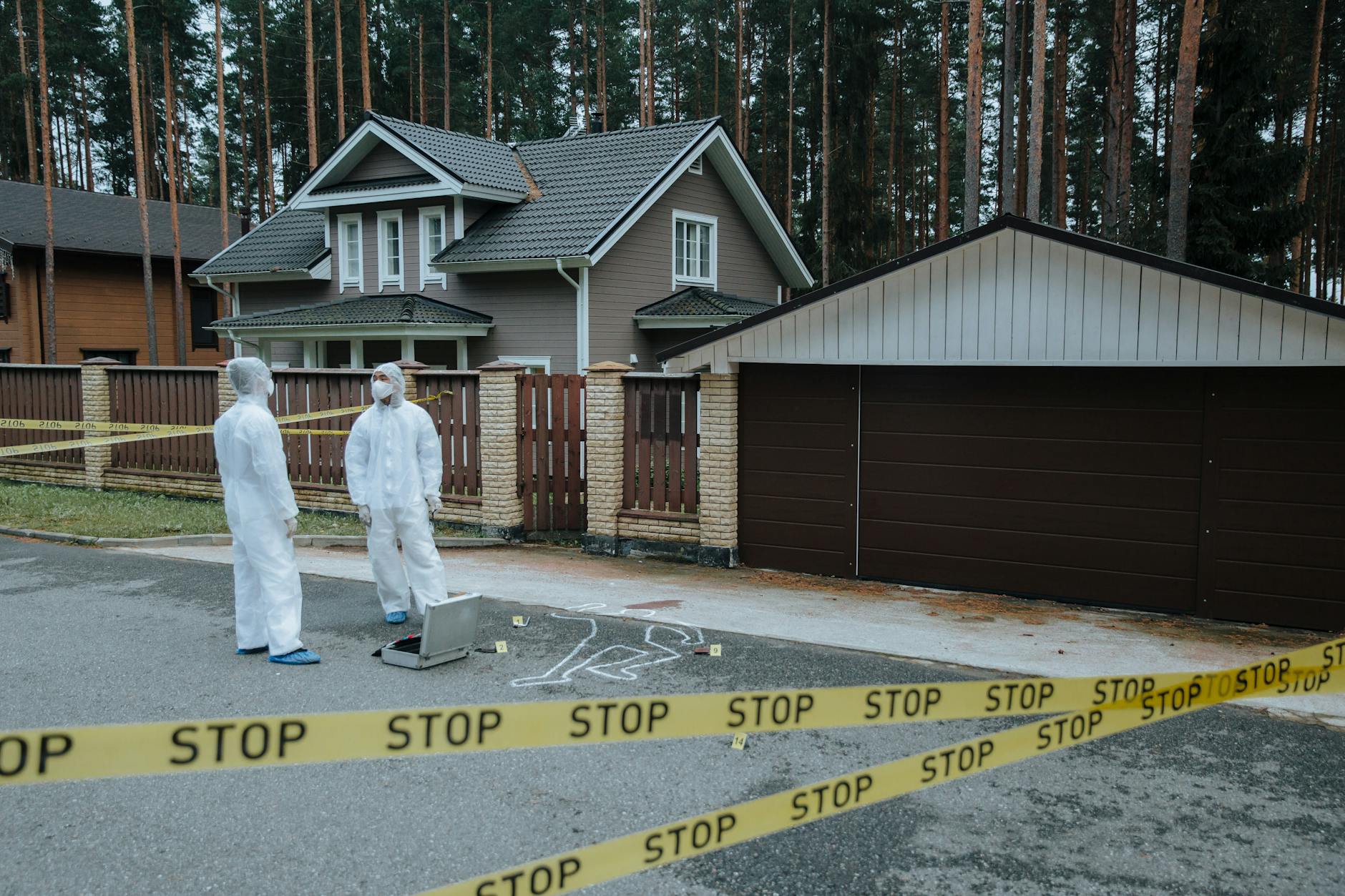


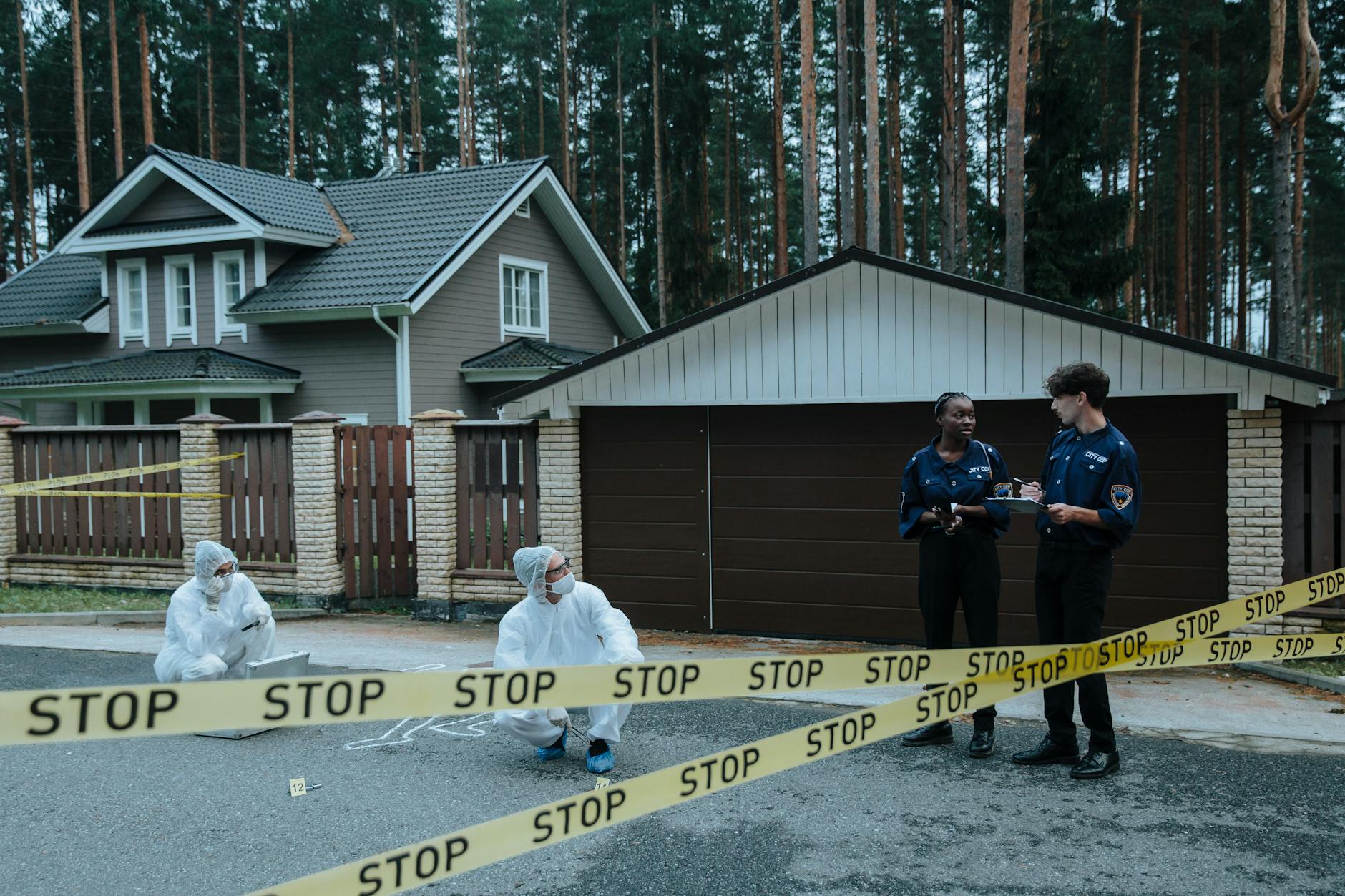
Case overview
Jill Halliburton Su was found dead in her Davie, Florida home on September 21, 2014, her body submerged in the bathtub. The investigation centered on Carlos Ortiz, a pest control worker who had serviced the home days earlier, leading to his arrest and conviction in 2019. The case turned on forensic evidence, digital records, and disputed DNA findings that continue to draw scrutiny.
The victim and the discovery
Jill Halliburton Su, 59, was a member of the Halliburton oil dynasty and lived with her husband Nan Yao Su in a gated community in Davie. On September 21, 2014, Nan Yao returned home from a weekend trip to find his wife unresponsive in the master bathroom bathtub. She had been beaten and stabbed multiple times. The medical examiner determined she drowned after sustaining blunt force trauma and sharp force injuries.
Investigators found no signs of forced entry. The home had been ransacked, with drawers pulled open and items scattered. A safe in the garage had been accessed, though it remained unclear what, if anything, had been taken. The positioning of the body and the lack of defensive wounds suggested the attack had been sudden.
The timeline before the killing
Security footage and electronic records placed Jill Halliburton Su at home on the morning of September 19. She had been active on her computer and phone. Her last known communication was a text message sent at approximately 10:30 a.m. that day. She did not respond to subsequent calls or messages from family members.
Two days prior, on September 17, a pest control technician named Carlos Ortiz had serviced the Su home as part of a scheduled appointment. He worked for Hulett Environmental Services and had been to the residence before. Records showed he arrived at 9:47 a.m. and left at 10:02 a.m. That visit became central to the investigation.
The forensic turning point
DNA evidence collected from beneath Jill Halliburton Su’s fingernails was sent to the Broward County Crime Lab. Analysts identified a male profile that did not match Nan Yao Su. The profile was entered into the Combined DNA Index System, but no match was immediately found.
In 2016, detectives obtained a court order to collect a DNA sample from Carlos Ortiz. The sample was compared to the DNA recovered from the victim. According to the lab report, the profile was consistent with Ortiz’s genetic markers. The Broward Sheriff’s Office arrested Ortiz on January 23, 2016, more than a year after the killing.
Defense attorneys challenged the DNA findings, arguing that the sample could have been transferred during the pest control visit or through secondary contact. The prosecution maintained that the DNA was found in a context consistent with a violent struggle.
Investigative focus on the suspect
Carlos Ortiz, 39 at the time of his arrest, had no prior violent criminal history. He lived in Homestead, Florida, and had worked in pest control for several years. Investigators reviewed his work records, phone data, and financial transactions in the days surrounding the murder.
Cell tower data placed Ortiz’s phone in the vicinity of the Su home on September 19, outside of any scheduled work appointment. The defense argued the data was not precise enough to confirm his presence inside the home. The prosecution presented expert testimony indicating the phone connected to towers consistent with someone being at or near the residence during the window when Jill Halliburton Su was believed to have been killed.
Detectives examined whether Ortiz had knowledge of valuables inside the home from prior service visits. No direct evidence of theft was presented at trial, and the safe that had been opened contained family documents rather than cash or jewelry. The motive remained unclear.
The trial and verdict
Carlos Ortiz’s trial began in August 2019 in Broward County Circuit Court. The prosecution’s case rested on the DNA evidence, the cell tower data, and the timeline of Ortiz’s access to the home. The defense argued that the DNA was circumstantial and that the absence of any documented conflict between Ortiz and the victim undermined the theory of premeditated murder.
Forensic pathologist testimony established that Jill Halliburton Su had sustained injuries to her head, neck, and torso before drowning. The prosecution argued the attack was consistent with a robbery gone wrong. The defense highlighted the lack of fingerprints, surveillance footage, or eyewitness testimony linking Ortiz to the scene on the day of the killing.
On August 23, 2019, the jury found Carlos Ortiz guilty of first-degree murder. He was sentenced to life in prison without the possibility of parole. The verdict was based largely on the forensic evidence and the circumstantial case built around his access and presence.
The disputed evidence
Post-conviction motions filed by Ortiz’s defense team focused on the DNA evidence and the methods used to analyze it. They argued that the sample size was minimal and that the lab’s interpretation left room for reasonable doubt. Independent forensic experts retained by the defense questioned whether the DNA could have been deposited during the pest control visit rather than during a violent encounter.
The cell tower evidence also remained contested. While the data suggested Ortiz’s phone was in the area, it did not definitively place him inside the home or at the scene during the precise time of the attack. The defense maintained that the circumstantial nature of the evidence did not meet the standard for a murder conviction.
No appeals court has overturned the conviction. Ortiz remains incarcerated, and no additional suspects have been publicly identified.
The unresolved elements
The Jill Halliburton Su murder case leaves several questions unanswered. No weapon was recovered, and no clear motive was established at trial. The ransacking of the home suggested a financial motive, but nothing of significant value was confirmed missing. The lack of forced entry indicated the victim may have known her attacker or opened the door willingly.
The timeline between Jill Halliburton Su’s last confirmed activity on September 19 and the discovery of her body two days later remains a critical gap. Investigators did not recover surveillance footage from inside the home, and neighbors reported no unusual activity during that window.
The case has drawn attention from forensic science observers due to the reliance on DNA evidence in the absence of corroborating physical evidence. The conviction stands, but questions about the interpretation of forensic data continue to be raised in legal and scientific forums.
Where to look next
- Documentary: “Murder in the Suburbs: The Jill Halliburton Su Story” (Investigation Discovery)
- Podcast: “The Bathtub Murder” (“Real Life Real Crime”, Audiochuck)
- Podcast: “The Case Against Carlos Ortiz” (“True Crime Garage”)