



Case overview
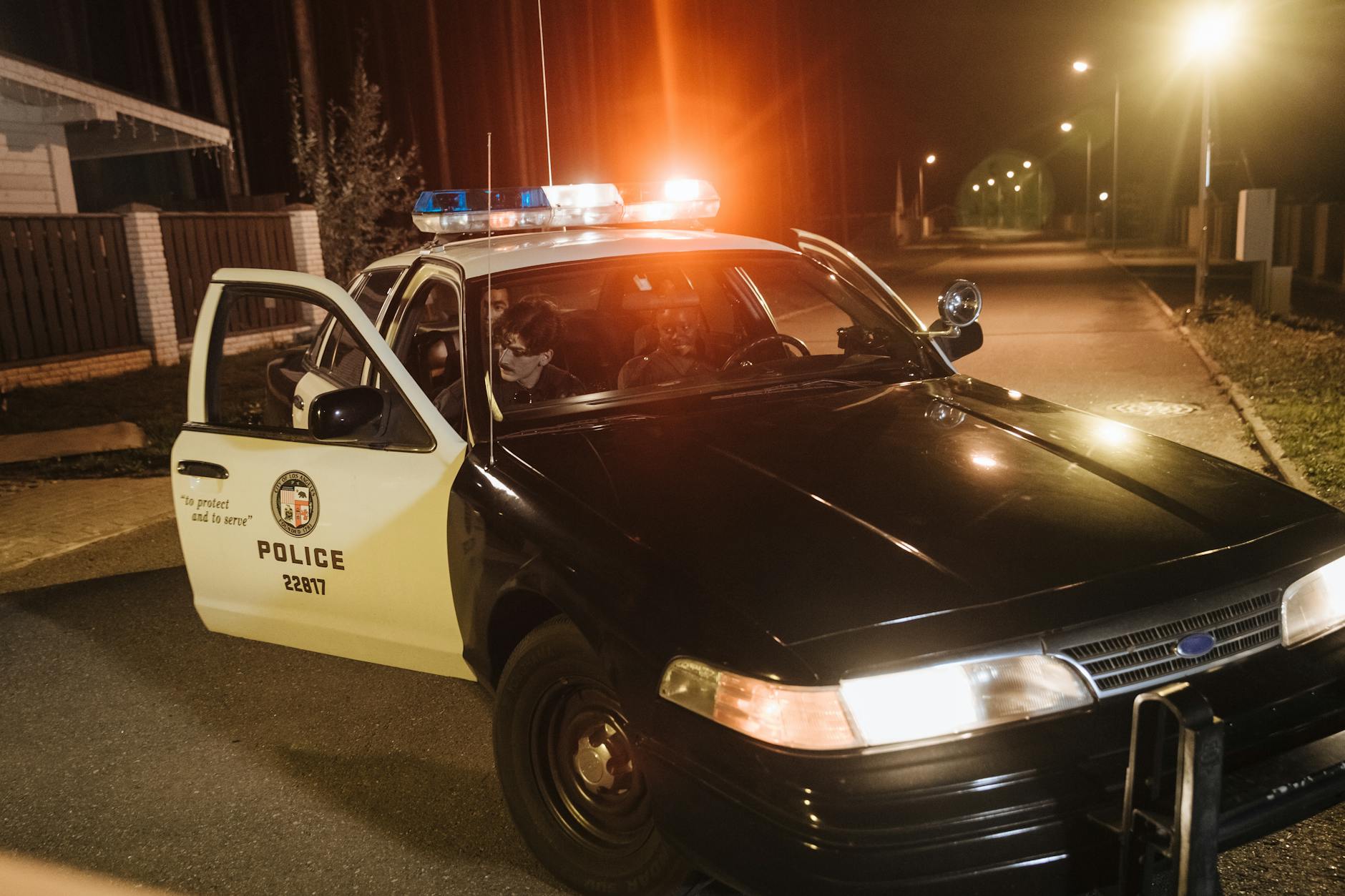
On August 6, 1930, New York Supreme Court Justice Joseph Force Crater stepped into a taxi outside a Manhattan restaurant and disappeared. Despite a massive investigation involving thousands of interviews and nationwide searches, no trace of the 41-year-old judge was ever confirmed, and the case remains one of the most documented unsolved disappearances in American history.
The last confirmed day
Judge Joseph Force Crater was last seen at 9:15 p.m. on August 6, 1930, outside Billy Haas’s Chophouse on West 45th Street in Manhattan. He had spent the evening dining with a showgirl named Sally Lou Ritz and his friend, attorney William Klein. According to both witnesses, Crater appeared in good spirits, showed no signs of distress, and gave no indication he was planning to leave town or meet anyone afterward.
Klein later told investigators that Crater hailed a taxi heading west on 45th Street. The judge entered the cab alone. That was the last verified sighting.
The timeline is notable for how compressed it was. Just hours earlier, Crater had been at his chambers in the New York County Courthouse. He had spent the afternoon sorting through papers with his assistant, Frederick Johnson, and allegedly removed several files from his office. Johnson described Crater’s behavior as routine, though he noted the judge had cleared his desk.
Crater’s movements earlier that day were methodical. He had traveled from his summer cabin in Belgrade Lakes, Maine, back to New York City on August 3, telling his wife, Stella, that he needed to attend to some business and would return in a few days. On August 6, he cashed two checks totaling $5,150, attended to matters at his courthouse office, and then met Klein and Ritz for dinner.
Between the time he entered the taxi and the moment his disappearance became public weeks later, no confirmed sighting, transaction, or communication was ever documented.
The investigation begins
Crater’s absence did not immediately raise concern. His wife remained in Maine, expecting him to return. His colleagues at the courthouse assumed he was still on summer recess. It was not until August 25, when Crater failed to appear for the opening of the New York courts, that questions began.
Stella Crater reported him missing on September 3, nearly a month after his disappearance. By that time, any immediate investigative advantage had been lost. The New York Police Department launched what became one of the largest missing persons investigations in the city’s history, interviewing over 300 people and following more than 2,000 leads.
Detectives focused on reconstructing Crater’s final movements. They confirmed his presence at the courthouse, the check cashing, and the dinner. They located the restaurant staff and interviewed both Klein and Ritz multiple times. But no one could identify the taxi Crater entered, and no driver ever came forward to confirm picking him up that night.
Investigators also examined Crater’s financial records. The $5,150 withdrawal was substantial but not irregular for someone of his position. There was no evidence of coercion, financial distress, or unusual spending in the days leading up to his disappearance. His bank accounts remained untouched after August 6.
The missing records
One of the most scrutinized aspects of the case involved the documents Crater had allegedly removed from his office. Frederick Johnson, his assistant, told police that Crater had spent hours going through files on August 6 and had placed a number of them into a briefcase and several portfolios. Johnson could not specify which files were taken, and no inventory existed.
When detectives searched Crater’s apartment at 40 Fifth Avenue, they found it orderly, with no signs of struggle or hurried departure. However, they did not find the briefcase or the files Johnson described. Crater’s personal papers were present, but any professional records he may have taken from the courthouse were gone.
This detail fueled speculation that the disappearance of Judge Joseph Force Crater was connected to his work. In 1930, New York’s political and judicial systems were deeply entwined with Tammany Hall, the Democratic political machine that controlled much of the city’s patronage and corruption networks. Crater had been appointed to the bench by Governor Franklin D. Roosevelt earlier that year, a position widely believed to have been secured through political connections and a significant financial contribution.
Some investigators theorized that Crater had been involved in corruption or blackmail and that his disappearance was orchestrated to silence him. Others believed he may have taken the files to protect himself or others. But no evidence ever substantiated a direct link between his judicial work and his vanishing.
The leads that went nowhere
In the months following Crater’s disappearance, the investigation generated dozens of tips. Reported sightings came from across the country. A man resembling Crater was allegedly seen in Atlantic City, another in Los Angeles, another in Montreal. None were confirmed.
In 1931, a grand jury was convened to investigate the case. It heard testimony from Stella Crater, William Klein, Sally Lou Ritz, and several of Crater’s colleagues. The proceedings lasted months, but the jury ultimately concluded it could not determine what happened. The case was left open.
One of the more persistent theories involved foul play connected to Tammany Hall. Rumors circulated that Crater had been murdered by political operatives, either because he knew too much or because he had become a liability. Some versions of this theory suggested his body had been disposed of in the construction of the West Side Highway or buried in the foundations of buildings under construction at the time. Investigators searched multiple sites over the years. No remains were found.
Another theory suggested that Crater had staged his own disappearance. Proponents pointed to the cash withdrawal, the missing files, and the lack of a body as evidence that he had planned to vanish. But this explanation left critical questions unanswered. Crater left behind a wife, a prestigious career, and a secure social position. He made no withdrawals after August 6, and no new identity was ever linked to him.
Later developments and claims
Decades after the disappearance, several individuals came forward with claims about Crater’s fate. In 1959, a woman named June Crater, who identified herself as the judge’s first wife, claimed he had been murdered by a Tammany Hall enforcer. Her account included details that could not be verified and was largely dismissed by authorities.
In 2005, a handwritten note was discovered among the effects of Stella Crater, who had died in 1969. The note, reportedly written by Stella, alleged that Crater had been killed and buried beneath a Coney Island boardwalk. The New York Police Department investigated the claim but found no evidence to support it.
Despite these and other assertions, no credible physical evidence, confirmed testimony, or forensic discovery has ever clarified what happened to Judge Joseph Force Crater after he entered the taxi on August 6, 1930.
Why the case remains unresolved
The disappearance of Judge Joseph Force Crater is unresolved not because of a lack of effort, but because the investigative trail ended almost immediately. The delay in reporting him missing eliminated any chance of a real-time search. The missing files were never recovered. The taxi was never identified. No body, weapon, or secondary crime scene was ever located.
What remains is a narrow, well-documented timeline: a judge who was seen entering a cab and never confirmed to have exited it. Everything that followed has been speculation, theory, or uncorroborated claims.
In 1979, nearly 50 years after his disappearance, Joseph Force Crater was officially declared dead. The case remains open with the New York Police Department.
Where to look next
- Documentary: “Mysteries at the Museum” (Travel Channel)
- Podcast: “Unsolved Mysteries Podcast” (Parcast Network)