


Case overview
Patricia Meehan, a 37-year-old woman traveling alone from Wisconsin to a teaching job in Montana, disappeared on July 20, 1974, after her vehicle was found abandoned near Three Forks, Montana. Despite confirmed sightings at a nearby rest stop and a restaurant, the final minutes of her movements remain unaccounted for, and no trace of her has been found in five decades.
The route and departure
Patricia Meehan left Stevens Point, Wisconsin, on July 17, 1974. She had accepted a position as a substitute teacher on the Blackfeet Indian Reservation in Browning, Montana. The drive covered more than 1,300 miles across the upper Midwest and northern Great Plains.
Meehan traveled alone in her 1972 beige Plymouth Satellite. She carried limited personal belongings and had no known history of erratic behavior, mental health crises, or conflicts that would suggest voluntary disappearance. Friends and family described her as stable, independent, and responsible.
By July 19, she had reached Montana. She spent the night in Butte, checking into a motel. The next morning, she left westward on Interstate 90 toward Browning, approximately 200 miles to the northwest.
The last confirmed sightings
On the morning of July 20, Meehan stopped at the Wheat Montana Bakery and Café in Three Forks, Montana. Employees confirmed they served her breakfast. She appeared calm, paid her bill, and left without incident.
Shortly after, she was seen at a rest stop east of Three Forks. A witness reported observing Meehan sitting in her vehicle. She appeared to be alone and showed no signs of distress. The sighting was consistent with typical rest stop behavior during a long drive.
These two encounters represent the final verified moments of Patricia Meehan’s life. The timeline between her departure from the rest stop and the discovery of her vehicle spans only minutes to hours.
The abandoned vehicle
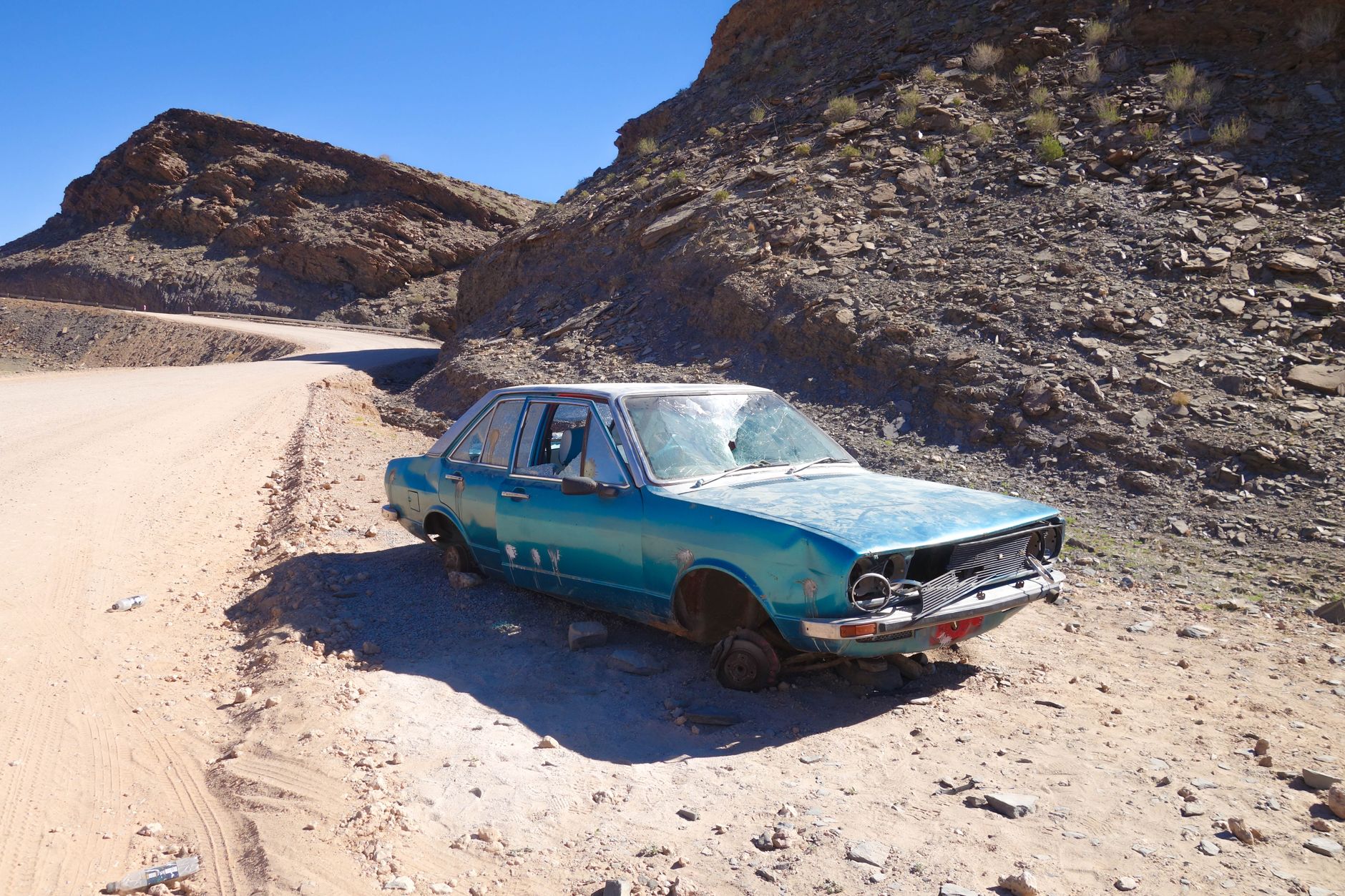
Meehan’s car was found later that same day on the side of a rural road near Three Forks. The vehicle was locked. Her purse, identification, and personal belongings remained inside. The keys were missing.
There were no signs of a struggle inside the car. No damage to the exterior suggested an accident or forced stop. The fuel tank was not empty. The car was positioned in a way that did not indicate mechanical failure or an emergency pull-over.
Law enforcement noted that the vehicle’s location was several miles from the last confirmed sighting at the rest stop. The route between the two points did not align with the most direct path to Browning, raising questions about whether Meehan had been directed elsewhere, became disoriented, or made an intentional detour.
Immediate search efforts
Local authorities initiated search operations within hours of the vehicle’s discovery. The area surrounding the abandonment site was remote, characterized by rolling plains, scattered brush, and low population density. Ground searches focused on roads, ditches, and accessible terrain within several miles of the vehicle.
No physical evidence was recovered. Searchers found no clothing, no signs of a campsite, and no indication that Meehan had walked away from the vehicle on foot. Cadaver dogs were deployed but did not produce alerts.
Investigators canvassed nearby homes, ranches, and businesses. No additional sightings were reported after the rest stop encounter. No one recalled seeing Meehan, her vehicle in transit, or anyone matching her description walking along roadways.
Investigation into foul play
Detectives examined the possibility that Meehan had been abducted. The missing keys, the locked vehicle, and the absence of struggle left limited physical evidence to support or rule out this theory.
Investigators reviewed records for known offenders in the area at the time. Montana in the 1970s had a transient population due to highway traffic, seasonal labor, and rural isolation. Detectives identified no credible suspects with direct ties to the disappearance.
One theory centered on the possibility that Meehan had been offered assistance or misled by someone she encountered after leaving the rest stop. The lack of defensive marks inside the vehicle and the orderly condition of her belongings suggested she may have exited the car willingly or under false pretense.
No ransom demands were made. No communications were received from Meehan or anyone claiming to have information about her whereabouts. Her bank accounts showed no activity after July 20.
Witness reports and unverified leads
In the weeks following the disappearance, multiple tips were reported to authorities. Several individuals claimed to have seen a woman matching Meehan’s description in neighboring states. None of these reports were substantiated through documentation, photography, or corroborated sightings.
One witness reported seeing a woman resembling Meehan at a rest area in Idaho days after the vehicle was found. Investigators followed up but could not confirm the sighting. No transaction records, motel stays, or additional reports surfaced to validate the account.
Another lead involved a reported sighting in Washington state. The individual described a woman of similar age and appearance asking for directions. The tip was investigated but led to no additional evidence or contact.
These reports remain classified as unverified. None produced evidence sufficient to redirect the investigation or establish Meehan’s movement beyond Montana.
Theories and unresolved questions
Investigators developed several working theories, none of which could be conclusively supported.
The abduction theory remained the most widely considered explanation. The locked vehicle, missing keys, and lack of physical evidence suggested a scenario in which Meehan was removed from the area by force or deception.
A second theory involved voluntary disappearance. However, no financial preparation, correspondence, or behavioral changes were documented in the weeks before her trip. Meehan had no known romantic conflicts, debt, or legal issues that would motivate abandonment of her identity.
A third possibility involved misadventure. Meehan could have exited the vehicle, wandered into the surrounding terrain, and succumbed to the elements or injury. Extensive searches, however, found no remains or personal effects.
The brief window between her last confirmed sighting and the discovery of the car remains the most critical gap in the timeline. Investigators were unable to account for the decisions or movements that occurred in those minutes.
Where the case stands
Patricia Meehan has not been seen or heard from since July 20, 1974. No remains have been recovered. No arrests have been made. The case remains listed as an unsolved missing person investigation with the Montana Department of Justice.
In 2007, the case was reviewed as part of a statewide initiative to re-examine cold cases using updated forensic tools. No new physical evidence was available for testing. Investigators re-interviewed surviving witnesses but uncovered no additional leads.
Meehan’s family maintained hope for decades but received no resolution. Her sister publicly appealed for information multiple times over the years, emphasizing that even small details might clarify what happened in the final moments.
The disappearance of Patricia Meehan is defined not by what was found, but by the minutes that remain unaccounted for.
Where to look next
- Documentary: “Disappeared: Where’d You Go, Patricia?” (Investigation Discovery)
- Book: “Unsolved Disappearances in the American West” by Jane Carter
- Podcast: “Patricia Meehan” (“Trace Evidence”, Trace Evidence Podcast)