

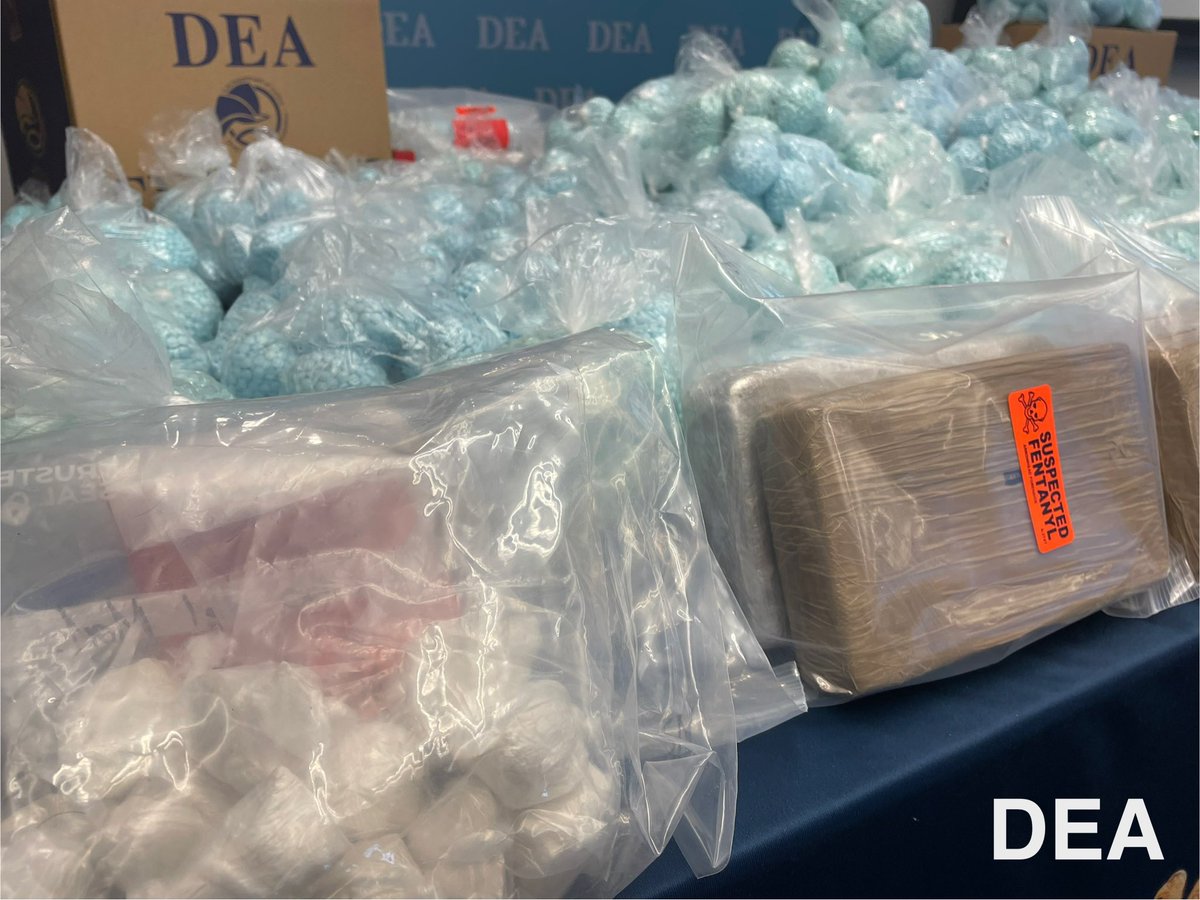
In a warehouse in the Rocky Mountain region, federal agents say they are stacking more fentanyl pills and bags of methamphetamine than ever before. Yet, by their own account, the supply lines feeding those drugs have not slowed.
Record Seizures In Four States
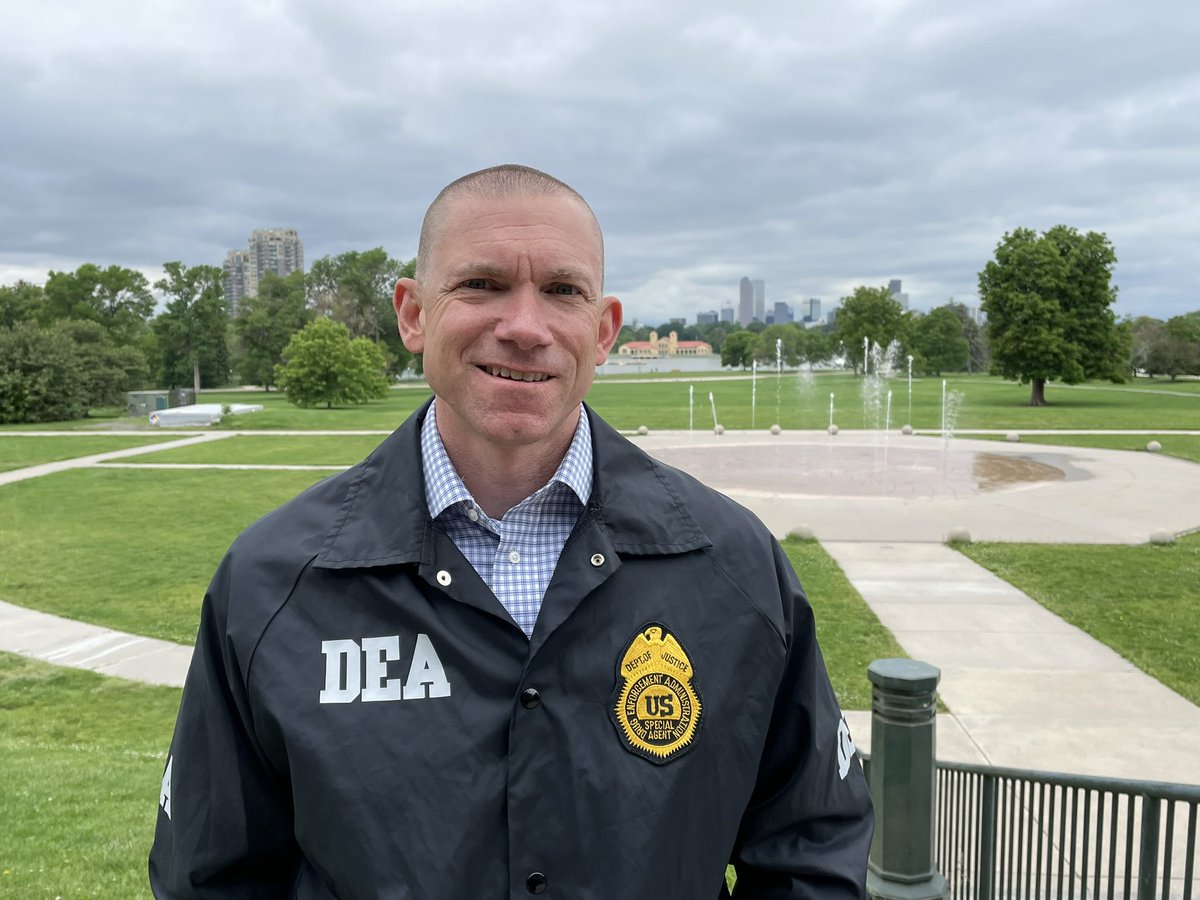
In the Fox News story, DEA Rocky Mountain Field Division Special Agent in Charge David Olesky called the reported seizure totals unprecedented for the four-state region. He said, “These numbers are absolutely staggering. Colorado saw a 76% increase in pill seizures year over year. Utah pill seizures doubled. This should not only be a wake-up call, but a jolt to every citizen in our four-state region.”
The article cites DEA figures that place the 2025 Rocky Mountain toll at 8,729,000 fentanyl pills and nearly 3,100 pounds of methamphetamine. Nationwide, the same report says the agency seized around 47 million fentanyl pills.
#BREAKING#DEA Rocky Mountain announces record seizures in 2025:
▪️6.7 million fentanyl pills seized in Colorado
▪️2 million pills in Utah
🤯 More than one of every ten pills seized in the United States was in Colorado.
More throughout the day.
🇺🇸 #AmericasDivision pic.twitter.com/NiIy5M5RQP— DEARockyMountain (@DEAROCKYMTNDiv) January 14, 2026
Colorado officials are described as confronting some of the largest individual cases in state history. In April, authorities reportedly seized 733 pounds of methamphetamine in what they called the state’s largest methamphetamine bust. In November, investigators said they confiscated about 1.7 million suspected counterfeit fentanyl pills in a single case tied to a storage unit, according to a separate Fox News account of the discovery.
Those figures, if reflected in DEA case files and state court records, would place a significant share of regional enforcement attention squarely on synthetic opioids. Federal agencies have repeatedly warned that fentanyl, which the DEA describes as far more potent than heroin, is a primary driver of fatal overdoses in recent years. The DEA provides public background on fentanyl risks and trafficking patterns on its website at dea.gov.
How Agents Say The Drugs Move North
The Rocky Mountain seizures are presented in the Fox News report as part of a larger trafficking pipeline that begins far from Denver or Cheyenne. Cesar Avila, a DEA assistant special agent in charge who oversees operations in Wyoming and Montana, told the outlet Cowboy State Daily that most of the seized drugs were tied to two Mexican cartels, Sinaloa and Jalisco New Generation, also known as CJNG.
According to that reporting, Avila described a distribution model in which cartels move shipments across the southern border, load them into tractor-trailers, and send them to major cities in the western United States. From hubs such as Denver and Salt Lake City, smaller loads are then transported into Wyoming, either by individual drivers or through the mail.
Avila characterized the people using the drugs very differently from those coordinating shipments. “When you’re dealing with the user population, they are more in it for effects and not for the profit margins,” he told Cowboy State Daily, as quoted in the Fox News article. “They’re not necessarily doing it for the business side of things; they’re doing it more because they need that particular addiction.”
Cartels, Communities And Demand
In the same coverage, Avila is described as speculating that both Sinaloa and CJNG have a presence in most, if not all, Wyoming communities. That assessment, if accurate, suggests that the organizations supplying fentanyl and methamphetamine to major coastal and border cities have also established distribution routes across a largely rural state.
The reported Rocky Mountain seizures sit within a broader national crisis. Data from the U.S. Centers for Disease Control and Prevention indicate that synthetic opioids such as fentanyl are now involved in most U.S. drug overdose deaths, a shift that has reshaped how public health agencies view addiction and poisoning risk across the country. The CDC publishes overdose statistics and trend analyses at cdc.gov.
For communities in Colorado, Utah, Montana and Wyoming, the quantities described by DEA officials translate into local concerns about who is using these substances and how quickly they are arriving. Law enforcement accounts emphasize the cartel role and the scale of intercepted shipments. Public health agencies, by contrast, track outcomes such as overdose deaths, emergency room visits and treatment demand. That data is slower to compile, and it is not included in the Fox News report.
What The Numbers Do Not Reveal
The Fox News story also quotes Olesky speaking more broadly about the agency’s goals. “DEA remains committed to targeting the drug cartels who operate within our four states, and we will continue to dismantle the networks responsible for poisoning and killing people in our communities,” he said.
Early DEA figures cited in the same report state that in 2026 the agency had already seized more than 239,000 fentanyl pills and more than 10,000 methamphetamine pills in the Rocky Mountain region. The details behind those numbers, including where the seizures occurred and what criminal charges followed, are not provided.
Seizure totals can document what law enforcement has taken off the market, but they do not directly show how much contraband still reached users or how cartel strategies may have adapted. In the Fox News account, Avila suggests that cartel-linked supply lines have extended into communities across Wyoming even as agents tally record busts. Olesky, at the same time, describes the enforcement posture as focused on dismantling those same networks.
The Fox News reporting presents a picture of a region where law enforcement agencies say they are intercepting more fentanyl and methamphetamine than ever, while also describing cartel influence as widespread and persistent. Without fuller public access to underlying case records and regional overdose data, it remains unclear whether the record seizures in Colorado, Utah, Montana and Wyoming signal a shrinking market for fentanyl or simply a drug pipeline that has grown larger than the numbers now on the public record.
For readers, the available information offers two clear points. First, federal and state agents in the Rocky Mountain region describe confronting large volumes of fentanyl pills and methamphetamine that they attribute to Mexican cartels. Second, national health data continue to show synthetic opioids as a leading factor in drug overdose deaths. How those two realities intersect in the Mountain West is a question that future public reporting and official data will have to answer more fully.
The Fox News article that first assembled these DEA figures and interviews is available at foxnews.com.