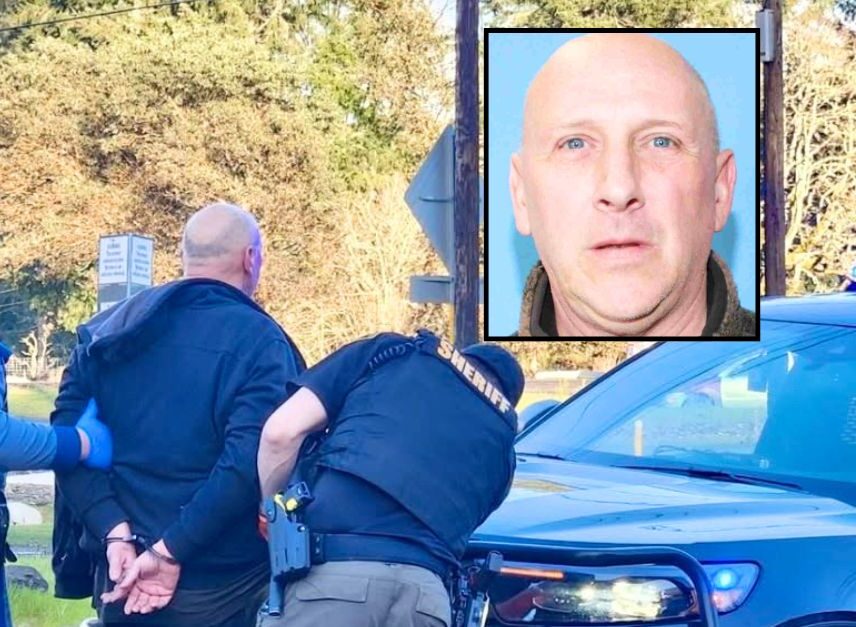


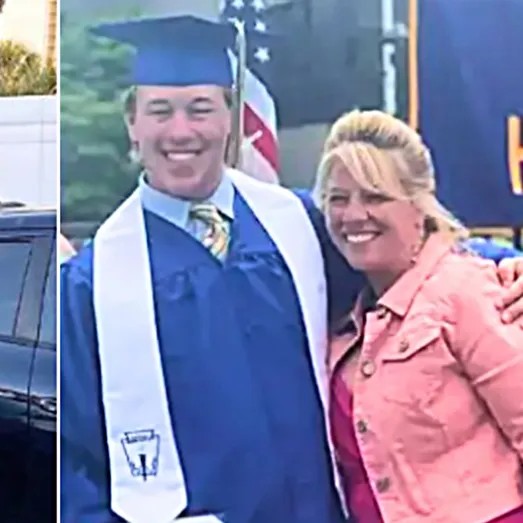
Police in Pawtucket, Rhode Island, say 56-year-old Robert Dorgan opened fire on his own family during a high school hockey game, killing his ex-wife and teenage son and wounding three others, while relatives publicly describe being “deeply and profoundly affected,” and investigators have not identified a motive.
TLDR
Authorities say Robert Dorgan shot his ex-wife, son, and other relatives during a high school hockey game in Pawtucket, then killed himself. The family, speaking through attorneys, has asked for privacy and cooperation with investigators, as survivors remain in critical condition and the motive is still under investigation.
What Police Say Happened Inside the Arena
According to Pawtucket Police Chief Tina Goncalves, the shooting took place inside the Dennis M. Lynch Arena in Pawtucket during a game between Coventry and Blackstone Valley schools. Officers say Dorgan opened fire from the bleachers, targeting members of his own family who were seated there to watch the game.
Police identified the two people killed as Dorgan’s ex-wife, Rhonda Dorgan, and their son, Aidan Dorgan. After shooting them, Dorgan fatally shot himself, Chief Goncalves said, leaving no suspect for prosecutors to charge and shifting the case toward a fact-finding inquiry rather than a criminal trial.
Three other relatives were reported in critical condition: Rhonda’s parents, Linda and Gerald Dorgan, and a family friend, Thomas Giarrusso. The family’s attorneys said those three remained hospitalized, underscoring that the death toll could still rise depending on their medical outcomes.
Investigators have said there was no apparent conversation or confrontation between Dorgan and the victims immediately before the gunfire. That detail, attributed to police in the initial reporting, narrows the public timeline inside the arena but does not explain why Dorgan brought a firearm to the game or decided to open fire.
Authorities have not publicly described the weapon used or how it was brought into the arena. They have also not released any information about prior police contacts involving Dorgan, if any existed. Those omissions highlight how early the investigation still appears to be in public-facing terms, even as relatives begin to speak through lawyers.
Family’s Statement and Their Legal Priorities
In a written statement released through attorneys, members of the Dorgan family said they were “deeply and profoundly affected by the recent events that took place.” The statement framed the case as more than a headline, emphasizing the human cost for relatives on all sides of the shooting.
“We are reminded that behind every headline is a family experiencing profound pain and loss,” the family wrote, adding, “We care greatly for all families impacted by this recent tragedy and our thoughts are with them.” The language points to a broader circle of harm that includes surviving relatives, witnesses at the rink, and the school communities involved in the game.
The family also addressed the many questions circulating about what happened and why. “While there are many questions being asked, please know we are focused on all of those who have been injured and whose lives have been forever changed,” the statement continued. That emphasis on survivors suggests a deliberate decision to prioritize medical recovery and privacy over public discussion of potential warning signs or family dynamics, at least for now.
Attorneys representing the family said they are cooperating with “the appropriate authorities and agencies” and asked that all questions be directed to their legal spokesperson, attorney Lawrence J. Signore. According to his publicly available biography, Signore’s law practice focuses on representing individuals injured because of someone else’s negligence or wrongful conduct.
The attorneys declined to comment on Robert and Rhonda’s two surviving children. That silence effectively places a boundary around public discussion of those minors, who have lost a parent and a sibling and whose legal and emotional situations are likely to be particularly complex in the months ahead.
Families in high-profile violent incidents often turn to legal representation early, both to manage incoming media requests and to preserve potential civil claims. In a case like this one, where the alleged shooter is dead, there will be no criminal prosecution of Dorgan. However, investigators, insurance carriers, and possibly civil courts may later examine issues such as arena security, prior threats, or access to firearms. Any such actions would depend on facts that have not yet been made public.
Identity, Media Framing, and What Officials Have Said
The initial article describing the attack identified Dorgan as a transgender parent. That detail has featured prominently in some coverage. At the same time, police statements cited in reporting have not linked Dorgan’s gender identity to the shooting or to any specific motive.
According to Fox News, a bystander later described tackling the shooter and trying to grab the gun during the attack at the ice rink. That account, while important to understanding what happened in the arena, again focuses on the immediate response rather than explaining why the shooting occurred.
What is documented so far is limited and specific: police say Dorgan brought a gun into a public youth sports venue, opened fire on family members without a prior confrontation at the scene, killed two relatives, wounded three others, and then killed himself. Investigators have not publicly connected those actions to political issues, to Dorgan’s identity, or to any organized group.
Without a surviving defendant to question in court, and without a public statement from investigators drawing those connections, any attempt to assign motive based on identity alone would move beyond the available record. For now, officials have said only that no motive has been released.
Unanswered Questions and Potential Next Steps
Two fragments from related reporting point to areas investigators are likely reviewing. One referenced headline noted that the suspect allegedly warned about going “berserk” in a post on X the day before the attack. Another mentioned a self-described good Samaritan who said he tackled the shooter and reached for the firearm. According to Fox News, both items are based on interviews or materials connected to Dorgan.
🚨 Breaking: New documents in a Rhode Island ice rink shooting case detail prior family conflicts involving the suspect. Authorities say the investigation remains ongoing. pic.twitter.com/1hhldiS0xw
— The Long Game with Jim Crawford (@TLGwithJim) February 17, 2026
Law enforcement agencies routinely examine such posts and witness accounts as potential evidence. The questions for investigators typically include whether any statements amounted to specific threats, who saw them, and whether any person or institution had a realistic chance to intervene. None of those answers are yet available in the public record for this case.
Inside the arena, police will have access to physical evidence, including shell casings and any recovered firearm, as well as potential surveillance footage. They also have the accounts of players, parents, rink staff, and other spectators who experienced the shooting. Those materials are likely to shape the final investigative findings, even if only portions of those findings are ever released.
Outside the criminal process, there are additional systems that may eventually engage. Medical examiners will complete their work and issue cause-of-death determinations for those killed. Hospitals treating the injured relatives will report on their conditions to the family, but are unlikely to discuss details publicly, given privacy laws.
If questions are raised about security procedures at the Dennis M. Lynch Arena or about prior warnings related to Dorgan, those issues could appear later in civil filings, regulatory reviews, or internal policy changes by the arena operator or school districts. At this point, however, there are no such actions on the public record connected to this shooting.
For now, the public picture consists of a narrow set of agreed facts: a family gathering at a youth hockey game, a burst of gunfire in the bleachers, multiple relatives killed or critically injured, and a shooter who died by his own hand. The family’s carefully worded statement, focused on grief and cooperation rather than blame, leaves key questions for investigators and, potentially, future courts or oversight bodies to address.
Those questions include how Dorgan obtained and carried the firearm into the arena, whether any prior statements or behaviors foreshadowed the attack in ways that could have triggered intervention, and how officials will ultimately characterize the motive, if they do so at all.