

Investigators in Pima County are now asking residents to review doorbell camera recordings as they search for 84-year-old Nancy Guthrie, who authorities say was taken by force from her Tucson home, while crucial details about the timeline of her disappearance remain unclear.
TLDR
Pima County deputies and federal agents are using Ring’s Neighbors app and other home-surveillance video in the search for 84-year-old Nancy Guthrie in Tucson, requesting weeks of footage as they try to clarify when she disappeared and who, if anyone, is responsible.
Neighbors App Extends the Search Offline
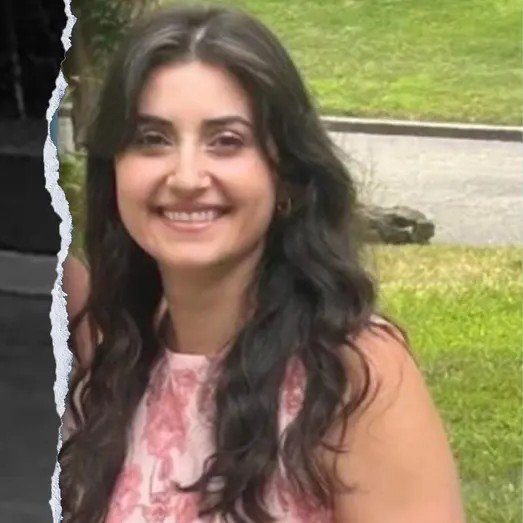
Nancy Guthrie, an 84-year-old Tucson resident, was reported missing after what Pima County Sheriff Chris Nanos has described as a forcible abduction from her home in the early morning hours of February 1st, 2026. According to Fox News, investigators have said she did not leave on her own and have treated the case as a criminal investigation into how and by whom she was removed from the residence.
The evening before she disappeared, Guthrie was reportedly seen at her home near East Skyline Drive and North Campbell Avenue on January 31st, 2026. In the days that followed, as a ground search continued, a neighbor in her area turned to Ring’s Neighbors app, a community-focused platform tied to the Ring camera system, to ask others to check their recordings.
That neighbor later told the outlet she received an alert on February 11th directing residents to a Neighbors post that requested video surveillance from two specific periods. The message asked for footage from January 11th, 2026, between 9 p.m. and midnight, and from January 31st, 2026, between 9:30 p.m. and 11 p.m., and it claimed that a suspicious vehicle had been seen in the area around 10 a.m. on January 1st, 2026.
The Pima County Sheriff’s Office, the outlet reported, clarified that this initial request did not come from deputies but from a resident in Guthrie’s neighborhood. Even so, the post began shaping what neighbors were looking for, including any glimpse of the unidentified vehicle that the resident described as suspicious.
Unofficial Alerts and Official Requests
The sheriff’s office, responding to the growing interest in the app, then created an official Neighbors post of its own. Unlike the narrower time windows suggested by the resident’s alert, the department’s message asked for any footage that might show vehicles, pedestrians, or anything that residents considered unusual over more than a month of time.
In that message, quoted in the outlet’s reporting, the department wrote that investigators were urgently seeking help locating Guthrie and asked neighbors to share video from January 1st, 2026, through February 2nd, 2026. The post stated, in part, that deputies were requesting “all video footage that includes vehicles, vehicle traffic, people, pedestrians, and anything you deem out of the ordinary or important to our investigation” and urged residents to include their address, date, and time when submitting clips.
The official Neighbors request included a link where people in the designated area could upload videos directly. That created a single pipeline for doorbell and other home-camera footage that might show Guthrie, vehicles passing her home, or activity on surrounding streets during the days before and after she went missing.
The same report stated that federal agents were also canvassing Guthrie’s neighborhood and asking for security footage from the evening of January 11th, 2026, between 9 p.m. and midnight. The FBI did not respond to a request for comment in that article, and investigators have not publicly explained why that particular time frame is of interest, leaving a significant gap in the public timeline.
Michael Ruiz reveals that Google search data shows queries for Nancy Guthrie’s Tucson address from Arizona locations, including one on January 11, 2026, coinciding with a neighbor’s Ring app request for local surveillance footage from that evening, potentially indicating… pic.twitter.com/qZ6uVIfeGL
— Bella (@stockbella) February 19, 2026
How the Neighbors Platform Feeds Investigations
Ring’s Neighbors app is designed as a digital neighborhood watch. According to material from Ring cited in the reporting, the platform uses a person’s location to display nearby posts and alerts from residents and, in some instances, from public agencies such as law enforcement. Users can share short text posts, photos, and video clips from Ring cameras or other devices.
Cybersecurity specialist and former FBI operative Eric O’Neill told the outlet that the app has become a way for communities to share crime-related information directly with each other. He described common posts that show attempted car break-ins or efforts to enter homes and said, “It is a way for neighbors in a neighborhood to collaborate on security.”
A Ring spokesperson explained that the company offers a Community Requests feature that lets law enforcement ask for help in defined areas through the app. The spokesperson said the feature allows agencies “to publicly post requests for videos from Ring camera owners within a designated area to support a specific investigation,” creating a formal channel for investigators to seek footage from residents who opt in.
O’Neill noted that law enforcement can participate in two ways. Agencies can ask Ring to send an alert on their behalf that links to an upload portal, and, separately, Ring can receive submitted videos in its cloud system, group them by case or area, and provide that collection to investigators. In practice, that means dozens or hundreds of short clips can flow from home cameras into a case file, sometimes within hours of an alert.
Digital Evidence, Privacy, and Reliability
In Guthrie’s case, the use of Neighbors shows how private cameras are extending the reach of traditional canvassing. Instead of going door to door asking whether anyone saw or heard something on a particular night, investigators can now seek weeks of footage and invite residents to highlight moments they consider important, from a car circling the block to a person walking alone after dark.
However, the way alerts are created can shape what neighbors pay attention to. The first Neighbors post in Guthrie’s area came from a private resident and emphasized a single “suspicious vehicle.” The sheriff’s office later confirmed that this was not an official message. That distinction matters because police have not publicly said that any specific vehicle is tied to the case, nor have they released an image or description of a suspect car.
This blend of unofficial and official messages illustrates both the reach and the risk of community-driven surveillance. Posts on Neighbors can quickly spread unverified details, such as a neighbor’s assessment of what looks suspicious, before investigators have established what is actually relevant. At the same time, the same network can deliver crucial leads, including clips that show a car passing at a key time or confirm that a street was empty when someone believed they saw activity.
If the investigation leads to criminal charges, video gathered through Neighbors and similar tools would still have to meet familiar procedural standards in court. Prosecutors would need to show how each clip was collected, who had access to it, and whether the footage reliably depicts what it appears to show. Camera angles, lighting, and recording quality can all affect how clearly a person or license plate can be identified, and gaps in coverage can complicate attempts to reconstruct a timeline.
What Investigators Have Not Said
Publicly available information leaves several key questions unanswered. Investigators have not released a detailed chronology of Guthrie’s last confirmed movements, beyond stating that she was last seen on the evening of January 31st, 2026, and that she was taken from her home in the early hours of February 1st, 2026. They have also not named any suspect, described any person of interest, or identified a particular vehicle as connected to the disappearance.
The focus on video from January 11th, 2026, and the wide request covering all of January 2026 have not been publicly explained. It is not clear whether investigators are looking for earlier surveillance of Guthrie herself, for patterns in traffic around her home, or for unrelated incidents that might reveal a person later involved in her disappearance.
Fox News has also reported, in a separate article, that the FBI is awaiting DNA test results connected to the case. That suggests that laboratory work is proceeding in parallel with the search for useful home-surveillance footage, with investigators pursuing both physical and digital evidence as they look for leads.
For Guthrie’s family and neighbors, the Neighbors app is now one of several tools in an urgent effort to understand what happened to an 84-year-old woman who did not, according to law enforcement, simply walk away. Whether the volume of video now flowing toward investigators can produce a clear sighting, a traceable vehicle, or a reliable timeline remains an open question. As the review continues, the case will test how far community camera networks can go in turning scattered clips into accountability for whoever is responsible.