


Case overview
Jimmy Hoffa, former Teamsters president, disappeared on July 30, 1975, after leaving his home for what he said was a meeting with two organized crime figures at a restaurant outside Detroit. His car was found in the parking lot, locked and undisturbed, but no trace of Hoffa has been confirmed since 2:45 that afternoon. The FBI has pursued hundreds of leads across five decades, excavated multiple sites, and interviewed dozens of witnesses, but the case remains unresolved with no body recovered and no charges filed.
The last documented afternoon
On July 30, 1975, Hoffa called his wife, Josephine, at 2:15 p.m. from a payphone at the Machus Red Fox Restaurant in Bloomfield Township, Michigan. He said he was waiting for Anthony Giacalone and Anthony Provenzano, both with known ties to organized crime, and that they were late. By 2:45 p.m., Hoffa called again and said the men had not shown up and he was leaving.
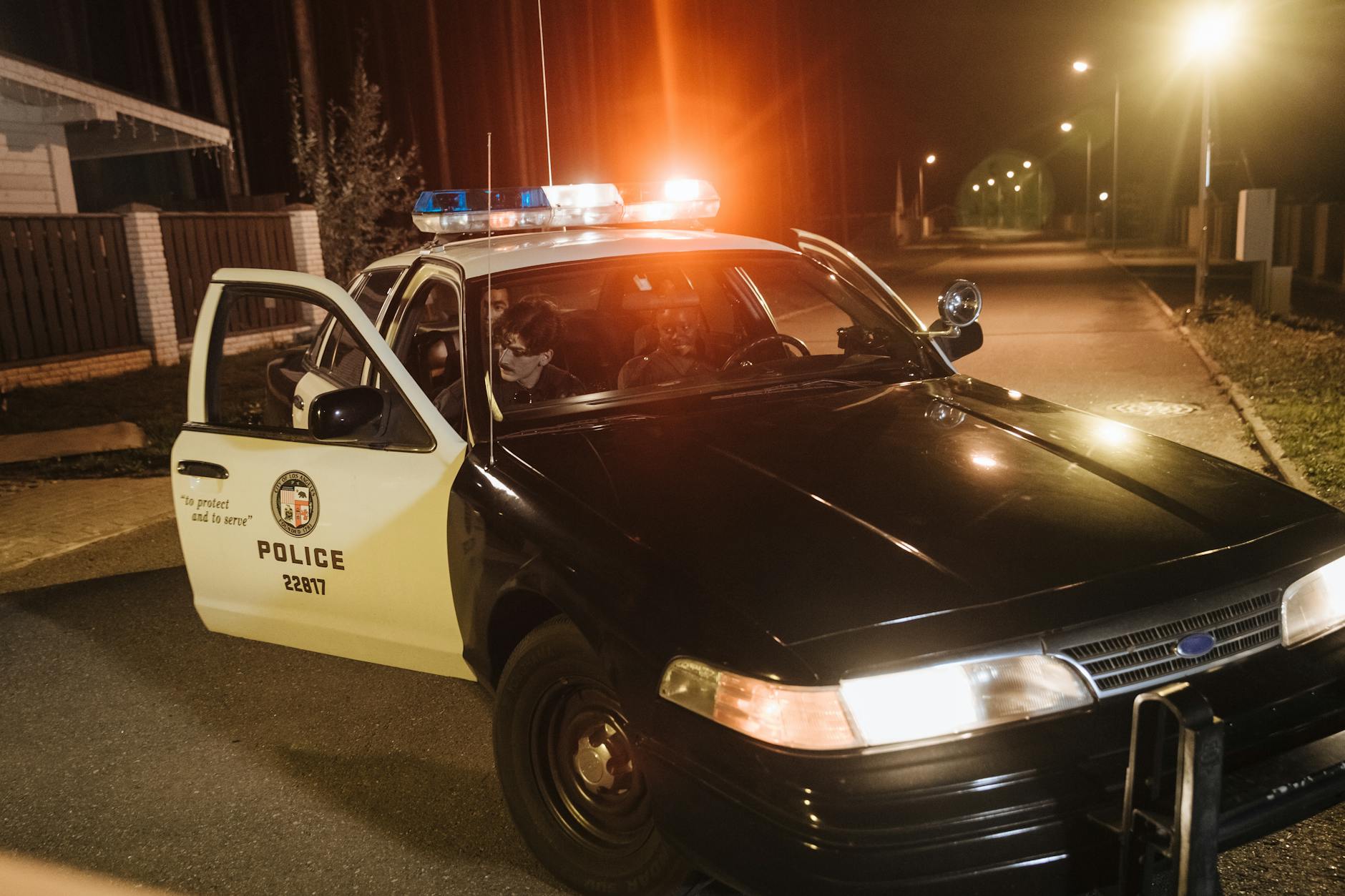
That was the last confirmed contact. Hoffa’s 1974 Pontiac Grand Ville was found the next day in the restaurant parking lot. The car was locked. There were no signs of struggle. Investigators recovered no blood, no forced entry, and no physical evidence suggesting violence at the scene.
Giacalone and Provenzano both denied any meeting was scheduled. Both provided alibis that were corroborated by witnesses. Neither was charged in connection with the disappearance.
The timeline and the gap
Hoffa left his home in Lake Orion, Michigan, around 1:00 p.m. He drove approximately 25 miles to the Machus Red Fox, arriving shortly after 2:00 p.m. Witnesses reported seeing him in the parking lot between 2:30 and 2:45 p.m., waiting for someone.
Between his final phone call at 2:45 p.m. and the time his wife expected him home that evening, no confirmed sightings have been documented. No witness has come forward with credible testimony placing Hoffa anywhere after he left the restaurant lot. No surveillance footage existed. No tollbooth records were flagged. The disappearance occurred within minutes, in broad daylight, in a public location.
Investigators later determined that Hoffa likely left the restaurant parking lot in another vehicle. One witness reported seeing him get into a maroon or copper-colored car, but the account was never corroborated. The FBI treated the case as a homicide within days of the disappearance.
The investigation and the theories
The FBI opened its investigation on August 1, 1975. The case was assigned to the Detroit field office and designated a likely organized crime homicide. By the end of the first year, agents had conducted more than 200 interviews, pursued dozens of leads, and begun analyzing Hoffa’s last known contacts.
Hoffa had been president of the International Brotherhood of Teamsters from 1957 until 1971, when he was convicted of jury tampering, fraud, and conspiracy. He served four years in federal prison before President Richard Nixon commuted his sentence in 1971. The commutation included a restriction barring Hoffa from union activities until 1980. Hoffa was attempting to regain control of the Teamsters at the time of his disappearance.
Federal investigators believed Hoffa’s push to reclaim union leadership created friction with organized crime figures who had gained influence over Teamsters pension funds during his absence. The FBI developed multiple theories, most involving a planned meeting that turned into an abduction.
Charles O’Brien, a longtime Hoffa associate, became a focus of the investigation. Witnesses reported seeing a car matching the description of O’Brien’s vehicle near the restaurant. Cadaver dogs later indicated the possible presence of human remains in the vehicle. O’Brien denied involvement and was never charged.
Frank Sheeran, a Teamsters official and known associate of organized crime figures, claimed in a 2004 memoir that he shot Hoffa inside a Detroit-area home on orders from Pennsylvania crime boss Russell Bufalino. Sheeran’s account has been widely disputed. No physical evidence corroborated his claims, and several witnesses contradicted details of his timeline.
The searches and the sites
Between 1975 and 2023, the FBI conducted excavations, searches, and soil analyses at more than a dozen locations across Michigan, New Jersey, and Ohio. None produced evidence confirming Hoffa’s remains.
In 2003, federal agents obtained a warrant to search a horse farm in Milford Township, Michigan. The search was based on information from a confidential informant who claimed Hoffa was buried beneath a barn. DNA testing of soil samples found no match. In 2013, agents excavated beneath a driveway in Roseville, Michigan, following a tip from Tony Zerilli, a former Detroit mobster. No remains were recovered.
In 2020, authorities used ground-penetrating radar on a site in Jersey City, New Jersey, after a witness account suggested Hoffa was buried under a pool. Soil samples were analyzed. Results were negative. In 2022, the FBI executed a search at a former landfill site in Jersey City following additional claims from a former landfill worker. No evidence was found.
Every search has followed a similar pattern: a witness, a location, investigative action, and no recovery. The FBI continues to classify the case as open.
The legal and political context
Hoffa’s disappearance occurred during a period of heightened federal scrutiny of organized crime’s influence over labor unions. The Teamsters, one of the largest and most powerful unions in the country, had been under investigation for years. Hoffa himself had been a target of Robert F. Kennedy’s efforts as attorney general in the 1960s.
At the time of his disappearance, Hoffa was challenging the leadership of Frank Fitzsimmons, who had taken over the union during Hoffa’s imprisonment. Hoffa had filed a lawsuit seeking to overturn the restriction on his union activities. He believed he could regain the Teamsters presidency by 1976.
Federal investigators concluded that Hoffa’s bid to return posed a threat to organized crime figures who had benefited from his absence. Pension fund loans, union contracts, and political leverage were all at stake. No individuals were charged with Hoffa’s murder, though several remain listed as persons of interest in FBI files.
The unresolved status
No one has been prosecuted in connection with the disappearance of Jimmy Hoffa. No physical evidence has been recovered that confirms his death or identifies a location where his body might have been disposed of. No credible witness has come forward with testimony that has resulted in charges.
The FBI continues to receive tips, some of which lead to investigative activity. The case is reviewed periodically as forensic technologies advance. The statute of limitations does not apply to homicide. The case remains open and unresolved.
Where to look next
- Documentary: “Riddle: The Search for James R. Hoffa” (Investigation Discovery)
- Documentary: “Jimmy Hoffa: The FBI Files” (History Channel)
- Book: “The Hoffa Wars” by Dan E. Moldea
- Podcast: “Jimmy Hoffa” (Criminology)